Januar 2026
S M D M D F S
 123
45678910
11121314151617
18192021222324
25262728293031

dailypost dailyprompt dailyprompt-1868 dailyprompt-1970 dailyprompt-1977 dailyprompt-1980 dailyprompt-1984 dailyprompt-1993 dailyquestion economy feminism feminist frau Frau im internet Frau Mutter Renate germany health her history lets talk lifestyle live style love man men mental-health Men’s behavior my personal story narcissistic relationship prostitution real talk relationships satire selflove sex sex talk sexwork subscribers only Tagebuch Tagebuch online trauma weibliche Gesundheit woman woman-life woman Perspektive women

Bewertung: 5 von 5.

Herzlich willkommen

Welcome

Ich bin Frau Mutter Renate

Mein Kopf ist ein deutsches Arbeitsamt.

Meine äußere Erscheinung ein französisches Manifest von Simplizität, Bequemlichkeit und Eleganz.

Und meine innere Kritikerin ist ein alter Jude, der eine zweite Synagoge gründet, weil er zur ersten nicht gehen will.

Wie soll man sich fokussieren, wenn Palästina in der Küche steht?

Ganz einfach:

Man schreibt.

Man redet.

Man lacht über den inneren Rabbi, streitet mit dem deutschen Beamten, und lässt den Tee nicht überkochen. No tabu, just real talk. In englisch, German or French because life is to short to speak only in one language ;)

Feel free to comment, like and schare.

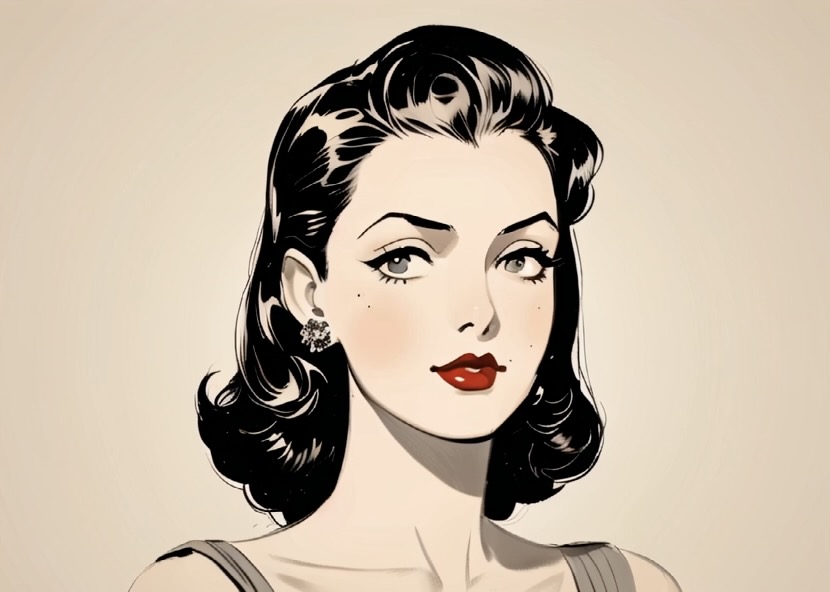
  • ꧁ 𝓡𝓮𝓭 𝓵𝓲𝓹𝓼𝓽𝓲𝓬𝓴, 𝓫𝓸𝓽𝓱 𝓽𝓲𝓶𝓮𝓵𝓮𝓼𝓼 𝓪𝓷𝓭 𝓹𝓻𝓸𝓿𝓸𝓬𝓪𝓽𝓲𝓿𝓮, 𝓮𝓶𝓫𝓸𝓭𝓲𝓮𝓼 𝓽𝓱𝓮 𝓯𝓻𝓮𝓮𝓭𝓸𝓶 𝓸𝓯 𝓪 𝔀𝓸𝓶𝓪𝓷 𝔀𝓱𝓸 𝓬𝓱𝓸𝓸𝓼𝓮𝓼 𝓽𝓸 𝓪𝓼𝓼𝓮𝓻𝓽 𝓱𝓮𝓻𝓼𝓮𝓵𝓯 𝔀𝓲𝓽𝓱𝓸𝓾𝓽 𝓬𝓸𝓶𝓹𝓻𝓸𝓶𝓲𝓼𝓮, 𝓪 𝓻𝓪𝓭𝓲𝓪𝓷𝓬𝓮 𝓽𝓱𝓪𝓽 𝓽𝓻𝓪𝓷𝓼𝓬𝓮𝓷𝓭𝓼 𝓽𝓻𝓮𝓷𝓭𝓼 𝓪𝓷𝓭 𝓮𝓻𝓪𝓼.꧂
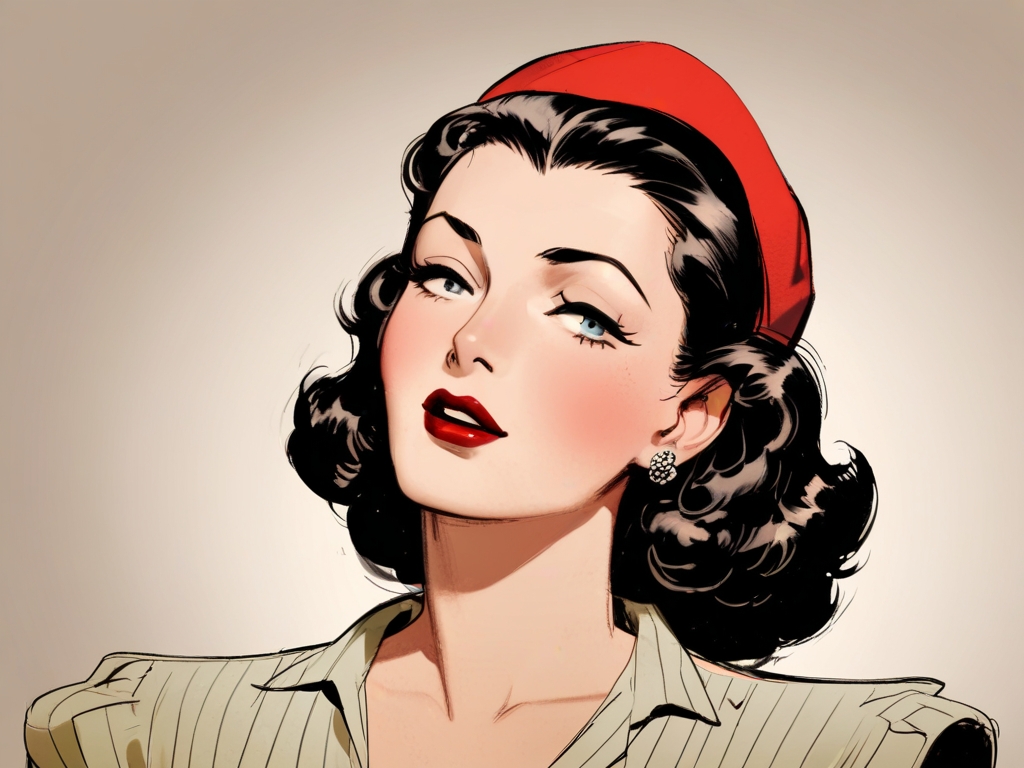
    The Bold History and Health Considerations of Red Lipstick

    Red lipstick has been a symbol of power, rebellion, and allure for centuries. From ancient Egypt to modern-day beauty routines, it has left an indelible mark on both culture and fashion. In recent years, however, the health concerns surrounding the ingredients in red lipstick have sparked debate. But before diving into these concerns, let’s first take a journey through the history of this iconic beauty product.

    A Symbol of Rebellion and Empowerment

    In recent months, a trend has emerged on TikTok where German women have called for a resurgence of red lipstick as a statement of power and confidence. This movement echoes historical uses of red lipstick, particularly during the Second World War. During this time, women were encouraged to avoid makeup and dress modestly to fit the ideals of wartime austerity. However, in defiance, many women chose to wear red lipstick as an act of rebellion. This small, yet bold, gesture became a symbol of independence, empowerment, and femininity in the face of oppression.

    While this movement was particularly strong in Germany, the use of red lipstick as a political statement was not confined to that country or era. The bold, unapologetic red lip has been a statement of self-assurance in various cultural and historical contexts. It has often been used by women to challenge societal norms and assert their independence. For example, in the early 20th century, the suffragettes in the UK and the US embraced red lipstick as a symbol of their fight for women’s rights.

    The History of Red Lipstick

    Red lipstick has ancient roots. Ancient Egyptians were among the first to use pigment on their lips, creating early forms of red lipstick from ingredients like carmine, made from crushed insects. In Rome, women used red ochre to color their lips, and later in the Middle Ages, the practice of lip coloring was adopted by European aristocrats. The formulation of modern red lipstick as we know it began to take shape in the late 19th and early 20th centuries, with innovations in cosmetics during the Victorian era.

    The Ingredients in Red Lipstick: Health and Safety

    However, as with many beauty products, red lipstick comes with its health considerations. Below are some key findings from research on the chemical and health risks of red lipstick.

    1. Lead in Lipstick:

    In 2007, the U.S. Food and Drug Administration (FDA) conducted a study that found traces of lead in several popular lipstick brands, including red ones. Lead is a toxic metal that can accumulate in the body, potentially causing health problems over time, particularly for children. While the levels found in lipsticks were generally low, concerns remain. Lead is not deliberately added to lipstick, but it can appear as a contaminant in pigments, such as Red 6 and Red 7. Since the study, some cosmetic companies have taken steps to remove lead from their formulas, but it’s still a concern for many.

    For more information on the FDA’s study, visit:

    FDA on Lead in Lipsticks

    2. Toxic Ingredients in Commercial Lipsticks:

    Other ingredients commonly found in commercial red lipsticks include parabens, phthalates, and synthetic dyes. Some of these chemicals are suspected to have endocrine-disrupting properties, which could potentially affect hormone regulation. The concern is that prolonged exposure to these chemicals, especially when used regularly on the lips, may lead to health risks.

    A study from The National Institute of Environmental Health Sciences (NIEHS) discusses these chemicals and their potential impacts on human health:

    NIEHS on Chemical Exposure

    3. Synthetic Dyes and Allergens:

    Another issue with red lipsticks is the presence of synthetic dyes, like Carmine (made from crushed beetles), Red 6, Red 7, and Red 40. While these ingredients are FDA-approved, they have been linked to allergic reactions and skin sensitivities in some individuals. Additionally, these dyes may cause irritation, especially if the lipstick is worn for extended periods or if the user has sensitive skin.

    4. Environmental Concerns and Packaging:

    Red lipstick often comes in plastic packaging, contributing to environmental pollution. There is growing interest in using eco-friendly packaging or refillable lipstick tubes to reduce waste. As consumers demand more sustainable options, brands are increasingly offering lipsticks in biodegradable or recyclable materials.

    For example, check out this overview of sustainable beauty packaging:

    Sustainable Beauty Packaging

    Healthier Alternatives: Going Natural

    Given the concerns about synthetic chemicals, many consumers are turning to natural and organic alternatives for red lipstick. Some companies now use beetroot powder, carrot seed oil, and other plant-based pigments to create safer, non-toxic red lipsticks. These natural alternatives do not contain harmful synthetic chemicals and are generally gentler on the skin.

    One notable example of a traditional, natural red lipstick ingredient is henna. In places like Morocco, women have long used henna to tint their lips and nails. While it can be a bit tricky to apply and may take some practice, henna is an eco-friendly and natural alternative to commercial lipsticks.

    For more about natural alternatives to lipstick, check out this guide:

    Natural Lipstick Alternatives

    The Future of Red Lipstick: Eco-Friendly, Healthy, and Sustainable

    As awareness of the potential health risks associated with synthetic cosmetics increases, many beauty brands are moving toward organic, vegan, and eco-friendly formulations. The shift toward natural ingredients in lipsticks is not just about health but also about reducing environmental impact. With the rise of DIY beauty and sustainable beauty practices, there is growing interest in creating your own red lipstick using simple, eco-friendly ingredients.

    If you’re interested in trying out your own natural red lipstick, here are a couple of simple recipes you can experiment with:

    • Beetroot Red Lip Balm: Mix beetroot powder with coconut oil and sheer butter for a natural, moisturizing red tint.

    • Cinnamon and Cocoa Lipstick: Blend cinnamon powder, cocoa butter, and a little bit of honey to create a soft, red lip balm.

    Conclusion

    Red lipstick has evolved from a symbol of rebellion to a mainstream beauty product, but its history is entwined with political movements, health concerns, and cultural shifts. As consumers become more aware of the potential risks associated with traditional cosmetics, the demand for healthier, more sustainable alternatives continues to grow. Whether you’re embracing the bold trend of wearing red lipstick or exploring natural alternatives, it’s clear that this iconic beauty product is far more than just a cosmetic accessory—it’s a powerful statement of identity, independence, and beauty.

    Red lipstick isn’t just a color—it’s a statement. Whether you’re rocking a bold red or a subtle tint, it’s a symbol of confidence, resistance, and defiance. I already wear my Moroccan red lipstick as a quiet declaration against the patriarchy. What about you? Are you ready to join the resistance, or is it still too bold for you? Share your thoughts in the comments!

    Hinterlasse einen Kommentar

  • Chères lectrices,

    Flash info de cette semaine : Alors que le monde traverse des périodes de plus en plus imprévisibles—de l’agression continue de la Russie en Ukraine aux tensions croissantes entre la Chine et Trump—nous assistons à une tendance mondiale inquiétante : les droits des femmes sont réduits jour après jour. Des restrictions sur l’avortement aux lois limitant l’accès à des soins de santé sûrs, les femmes de partout dans le monde font face à des combats non seulement contre des systèmes patriarcaux, mais contre un système qui cherche activement à nous faire taire.

    Par le passé, le rouge à lèvres rouge était plus qu’un simple produit de beauté ; c’était un puissant symbole de défi. Pendant les années 1940, alors que les femmes étaient appelées à remplir les rôles laissés vacants par les hommes partis à la guerre, le rouge à lèvres rouge est devenu un outil de résistance. C’était une déclaration de force et d’indépendance en temps de chaos. Aujourd’hui, face à la diminution de nos droits, nous croyons qu’il est temps de réutiliser le rouge à lèvres comme une arme.

    La menace : les produits chimiques dangereux dans le rouge à lèvres classique

    Mais avant de plonger dans l’appel à la résistance, parlons de ce que nous mettons sur nos lèvres. Beaucoup des rouges à lèvres les plus populaires contiennent des produits chimiques nocifs, tels que le plomb, les phtalates et les parabènes, liés à des perturbations hormonales, des problèmes neurologiques et même le cancer. Ce phénomène est particulièrement préoccupant à une époque où les droits des femmes sont déjà menacés, et nous devrions protéger nos corps sous tous les angles, pas leur appliquer des substances toxiques.

    Le produit chimique le plus dangereux trouvé dans certains rouges à lèvres rouges est le plomb—qui peut s’accumuler dans le corps au fil du temps, entraînant divers problèmes de santé. Il est essentiel d’exiger mieux pour nous-mêmes et nos corps. C’est pourquoi il est crucial de rechercher des alternatives plus saines.

    Des alternatives plus saines à envisager

    Il existe des options plus sûres pour celles qui veulent continuer à arborer le rouge à lèvres rouge emblématique tout en évitant les risques pour la santé. Les rouges à lèvres naturels à base de betterave ou d’argile marocaine sont de très bonnes alternatives, offrant cette même couleur riche et audacieuse sans les risques pour la santé. Les marques qui s’engagent à utiliser des ingrédients biologiques et non toxiques sont celles qui mènent la charge pour des produits de beauté plus sûrs. Si nous allons lutter contre les forces toxiques qui cherchent à nous priver de nos droits, nous pouvons au moins commencer par refuser la toxicité dans les produits que nous portons.

    Le contexte politique : les droits des femmes sont en train de s’effriter

    La réalité, c’est qu’à mesure que nous parlons, les droits des femmes sont érodés à une vitesse choquante. Que ce soit des restrictions sur l’avortement, la contraception ou l’accès aux services de santé reproductive, le recul des droits des femmes est un problème urgent. Les politiciens—souvent soutenus par des systèmes patriarcaux—font tout ce qu’ils peuvent pour nous repousser dans des rôles traditionnels et limitants. Et pendant que les hommes au pouvoir prennent ces décisions, ce sont les femmes qui en souffrent.

    Dans ce climat de restriction croissante, le rouge à lèvres peut devenir plus qu’un simple accessoire. Il peut être un symbole de résistance, un moyen de se tenir fort face aux attaques mondiales et locales sur nos droits. Tout comme les femmes des années 1940 ont utilisé le rouge à lèvres comme moyen de reconquérir leur pouvoir, il est temps pour nous de faire de même. En choisissant le rouge à lèvres rouge—non seulement comme une couleur, mais comme une déclaration—nous affirmons notre force, notre autonomie et notre indépendance.

    Conclusion : Le rouge à lèvres comme une arme d’autonomisation

    Il est temps. Il est temps de remettre le rouge à lèvres rouge comme un symbole de défi, un rappel que nous ne serons pas réduites au silence. Nous ne laisserons pas les puissances en place nous priver de nos droits, et nous n’accepterons pas des normes de beauté toxiques. Le rouge à lèvres rouge n’est pas simplement du maquillage ; c’est un outil de résistance face à l’oppression systémique.

    Lorsque vous choisirez votre rouge à lèvres cette saison, pensez à l’impact du produit que vous utilisez. Si vous vous souciez à la fois de votre santé et des messages politiques qui se cachent derrière les produits que vous consommez, recherchez des alternatives naturelles et biologiques aux options remplies de produits chimiques qui envahissent le marché. Pour plus de détails sur ces options plus saines, consultez notre article complet sur le sujet.

    Réutilisons le rouge à lèvres rouge comme une arme, non seulement pour la beauté, mais pour notre autonomie et notre santé.

    Hinterlasse einen Kommentar

  • Chères lectrices,

    À La Gendarme Parisienne, nous nous efforçons toujours de vous apporter les développements les plus passionnants et à la pointe de la science, de la technologie et au-delà. En tant que femmes souhaitant rester informées et en avance sur notre temps, nous estimons que vous méritez les dernières nouvelles sur les avancées scientifiques qui façonnent notre avenir. Aujourd’hui, nous abordons un sujet qui mêle les merveilles de la nature aux questions éthiques de la création : la résurrection d’espèces disparues. Mais jouons-nous à être Dieu ? Créons-nous la vie à partir du passé ou devrions-nous laisser ces espèces reposer en paix ? Plongeons dans la science, la controverse et les découvertes étonnantes qui rendent cela possible.

    La dé-extinction : ramener les espèces perdues à la vie

    Ces dernières années, la science a fait un pas audacieux dans le domaine de la dé-extinction — la résurrection d’espèces perdues dans l’histoire. Il ne s’agit pas seulement de réintroduire des animaux disparus bien connus comme le mammouth laineux, mais aussi d’explorer de nouvelles possibilités en génétique, en clonage et en biotechnologie. De la recréation de mammouths aux loups, et même à des découvertes encore plus extraordinaires, la dé-extinction remet en question notre compréhension même de la vie.

    La découverte en Russie : le bébé hybride “lion-tigre”

    L’une des découvertes les plus récentes et passionnantes dans le débat sur la dé-extinction provient de Sibérie, où une créature ancienne parfaitement conservée a été trouvée — un “hybride lion-tigre”, datant de plus de 1 000 ans. Malgré son âge avancé, le spécimen était dans un état remarquable. Cet hybride, peut-être un croisement entre un lion et un tigre, pourrait être une pièce importante du puzzle pour comprendre comment nous pourrions un jour ressusciter ces créatures majestueuses. Les chercheurs étudient cette découverte pour percer davantage de secrets sur les espèces anciennes et les moyens de les recréer. Cette découverte a été réalisée par une équipe de scientifiques russes lors de fouilles archéologiques dans le pergélisol.

    Le retour du tigre de Tasmanie

    Le tigre de Tasmanie, ou thylacine, est un autre candidat dans la course à la dé-extinction. Autrefois présent en Tasmanie et dans certaines parties de l’Australie, le thylacine a été chassé jusqu’à l’extinction au début du XXe siècle. Cependant, les scientifiques envisagent maintenant de le ramener, car son rôle dans l’écosystème — en particulier en tant que prédateur de kangourous — pourrait être crucial pour rétablir l’équilibre environnemental. Le thylacine était un prédateur de premier plan, se nourrissant de kangourous et d’autres petits animaux, ce qui pourrait expliquer pourquoi certains écologistes plaident pour son retour. L’argument est que la réintroduction du thylacine pourrait aider à contrôler la population de kangourous, évitant ainsi le surpâturage et d’autres problèmes exacerbés par l’absence d’un prédateur naturel.

    Il est intéressant de noter que le thylacine a également été au cœur de débats sur la capacité des animaux tels que les loups et autres prédateurs à restaurer l’équilibre dans des écosystèmes perturbés par l’activité humaine. Ce débat continue de susciter des opinions passionnées tant chez les conservationnistes que chez les critiques.

    L’écureuil de l’Âge de Glace : une fable ressuscitée ?

    Dans une découverte passionnante digne du film L’Âge de Glace, des scientifiques ont récemment mis au jour les restes préservés d’un écureuil censé avoir vécu pendant l’Âge de Glace. Cette découverte est remarquable non seulement en raison de son ancienneté (plus de 20 000 ans), mais aussi parce qu’elle s’ajoute au corpus croissant de preuves suggérant que des créatures anciennes pourraient encore être préservées et viables pour le clonage ou la résurrection. L’espèce exacte fait encore l’objet de débats, mais on pense qu’il s’agit d’un cousin éloigné des écureuils modernes. Cette découverte, trouvée dans le pergélisol gelé de Sibérie, a ouvert de nouvelles possibilités quant à ce qui pourrait être découvert à l’avenir et à la manière dont les animaux anciens pourraient encore avoir une place dans le monde moderne.

    Le mammouth laineux : un retour controversé

    L’un des exemples les plus célèbres et controversés de la dé-extinction est le mammouth laineux. Récemment, des chercheurs ont annoncé des plans pour utiliser le génie génétique afin de ramener le mammouth à la vie en injectant de l’ADN de mammouth dans les cellules d’un éléphant asiatique, créant ainsi potentiellement un hybride connu sous le nom de “mammophant”. Ce projet est dirigé par des organisations telles que l’initiative Revive & Restore, visant à ramener le mammouth à la vie dans les régions arctiques. Le retour du mammouth pourrait aider à restaurer l’écosystème de la toundra, où ses habitudes de pâturage maintenaient autrefois le paysage. Mais des questions subsistent : est-ce éthique ? Est-ce sûr ? Et que se passe-t-il lorsque nous franchissons la ligne entre l’innovation et la nature ?

    Trois louveteaux : une nouvelle ère pour les canidés ?

    Dans le cadre des efforts continus pour explorer les limites de la résurrection animale, des scientifiques ont également fait la une en clonant avec succès trois louveteaux, découverts dans le pergélisol sibérien. Ces louveteaux, datant de plus de 40 000 ans, offrent un rare aperçu des loups anciens et de leur rôle dans l’écosystème de l’ère pléistocène. La découverte de ces loups a suscité des débats sur la portée de la résurrection des espèces et sur la possibilité que cette pratique contribue à restaurer l’équilibre naturel dans les écosystèmes modernes, à l’instar de la réintroduction du loup gris dans le parc national de Yellowstone.

    Préoccupations éthiques et environnementales

    « Romulus, Remus et Khaleesi sont nés en janvier 2025 d’une mère porteuse canine. »

    Bien que ces développements soient véritablement étonnants, ils soulèvent également des questions importantes. Devons-nous ressusciter des espèces disparues depuis des centaines ou des milliers d’années ? Risquons-nous des impacts environnementaux inconnus ? Pouvons-nous vraiment recréer les écosystèmes dans lesquels ces animaux vivaient autrefois ? Et, plus important encore, qu’est-ce que cela signifie pour notre compréhension de la vie et des implications éthiques du fait de “jouer à Dieu” ?

    Conclusion

    Alors que nous continuons à explorer la possibilité de ressusciter des espèces grâce au génie génétique, les questions se multiplient. L’excitation de réintroduire des animaux disparus dans le monde est indéniable, mais il en va

    Hinterlasse einen Kommentar

  • 𝙰 𝚠𝚘𝚖𝚊𝚗’𝚜 𝚜𝚝𝚛𝚎𝚗𝚐𝚝𝚑 𝚕𝚒𝚎𝚜 𝚒𝚗 𝚑𝚎𝚛 𝚊𝚋𝚒𝚕𝚒𝚝𝚢 𝚝𝚘 𝚝𝚊𝚔𝚎 𝚌𝚊𝚛𝚎 𝚘𝚏 𝚑𝚎𝚛𝚜𝚎𝚕𝚏, 𝚎𝚟𝚎𝚗 𝚒𝚗 𝚙𝚊𝚒𝚗.

    𝙲𝚑𝚎̀𝚛𝚎 𝚕𝚎𝚌𝚝𝚛𝚒𝚌𝚎

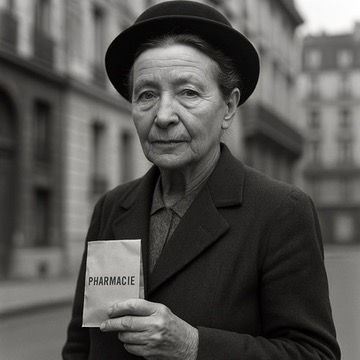
    Paris, 1925. Une époque où la santé des femmes était souvent enveloppée de silence, ou pire, rejetée comme quelque chose à endurer en solitaire.

    C’est 1925. Le monde change, mais certaines choses restent tragiquement les mêmes. Les femmes endurent encore la visite régulière et indésirable : les menstruations. C’est une lutte non dite, portée comme un fardeau lourd, souvent abordée avec seulement des murmures dans les coins les plus privés de la maison. Si vous vous retrouvez dans la douleur, les options qui vous sont disponibles peuvent sembler soit obsolètes, soit absurdes. Mais, ma chère, ce n’était pas toujours le cas — et cela ne devrait pas rester ainsi.

    Imaginez ceci : une femme dans la force de l’âge, peut-être comme vous, assise près du feu, tenant une bouillotte chaude pour apaiser ses douleurs. Quel était son remède ? Du thé au gingembre ? Bien sûr. De la camomille ? Naturellement, mais il y avait tellement plus à découvrir. Le monde des remèdes naturels était riche, bien qu’ignoré trop souvent, et pas seulement limité aux solutions typiques.

    En tant que personne ayant travaillé aux côtés de nombreuses femmes au fil des ans, je suis ici pour vous dire : il existe de meilleures façons de gérer ces luttes mensuelles. Lorsque la douleur frappe, il ne s’agit pas seulement de supporter. Il s’agit de comprendre le corps et de prendre des mesures. Alors, abordons ce sujet avec connaissance et puissance, au lieu de résignation.

    Des Remèdes Naturels au-delà du Gingembre et de la Camomille

    La première chose que vous devez savoir, chère lectrice, c’est que vous ne devez pas vous résigner à n’utiliser que du gingembre et de la camomille. Bien que ces deux-là soient appréciés de nombreuses femmes, ils ne sont pas la solution ultime. Élargissons nos horizons, voulez-vous ?

    1. Remèdes Ayurvédiques – La Sagesse de l’Orient :

    L’Ayurveda, l’ancienne pratique de guérison indienne, offre une richesse de connaissances pour la santé des femmes. Parmi les remèdes pour les douleurs menstruelles figurent des plantes comme l’ashoka, connue pour aider à apaiser les crampes menstruelles et réguler les cycles. C’est une plante douce qui agit calmement, mais elle est aussi très efficace. Il est temps que nous prêtions plus d’attention à ces traditions orientales, qui soignent les femmes depuis des siècles.

    2. Le Thé de Feuille de Framboisier – L’Allié Sous-Estimé :

    Bien que moins connu que d’autres remèdes, le thé de feuille de framboisier est utilisé depuis longtemps par les herboristes pour tonifier les muscles utérins et apaiser les crampes. Il a été vanté comme un remède puissant pour promouvoir un cycle menstruel plus sain et plus gérable. Beaucoup de femmes ont trouvé un soulagement dans ses propriétés apaisantes. Vous pouvez en préparer une tasse aussi facilement que n’importe quel autre thé, mais ses effets sont bien plus importants que vous ne le pensiez.

    3. La Cannelle – L’Épice Sucrée :

    Un autre choix naturel, la cannelle, pourrait vous surprendre. Ce n’est pas seulement une épice pour rendre vos desserts délicieux, mais un remède connu pour réduire les douleurs menstruelles et équilibrer les niveaux hormonaux. Elle est facilement disponible et utilisée dans de nombreuses cultures comme un remède incontournable pour soulager la douleur. Ajoutez-en une pincée à votre thé, ou incorporez-la dans vos repas quotidiens — son goût épicé et réconfortant pourrait apaiser vos douleurs bien plus que vous ne l’imaginez.

    4. La Menthe Poivrée – Un Soulagement Rafraîchissant :

    La menthe poivrée, souvent reléguée au domaine des sucreries, possède un véritable pouvoir lorsqu’il s’agit de soulager les crampes menstruelles. Ses propriétés relaxantes musculaires aident à réduire la douleur, tout en calmant le système digestif — un soulagement pour celles qui souffrent de ballonnements ou de nausées pendant leurs règles.

    L’Expérience Problématique pour les Femmes Neurodivergentes

    Une chose rarement abordée est comment les femmes neurodivergentes, celles souffrant de TDAH, d’autisme ou d’autres conditions neurodiverses, peuvent vivre les menstruations d’une manière beaucoup plus difficile que leurs homologues neurotypiques. Ces femmes ressentent souvent une sensibilité accrue à la douleur et une réponse émotionnelle amplifiée en raison des fluctuations hormonales du cycle menstruel. Ce qui peut sembler être un inconfort gérable pour certaines peut devenir une épreuve accablante pour les neurodivergents.

    Pour beaucoup, l’expérience va au-delà de la simple douleur physique. Elle peut interférer avec la concentration, exacerber l’anxiété et causer une détresse émotionnelle plus profonde. Les tâches qui seraient normalement simples, comme pratiquer du yoga ou un exercice léger, peuvent sembler impossibles. La surcharge sensorielle et l’inconfort peuvent rendre même les mouvements ou étirements les plus simples insurmontables.

    Le Besoin d’une Mise à Jour des Connaissances Médicales

    Malgré la richesse des connaissances qui existent dans le domaine de la santé des femmes, tous les professionnels de la médecine n’ont pas suivi le rythme. Il y en a encore trop qui minimisent la gravité des conditions liées aux menstruations, comme l’endométriose, les fibromes ou le syndrome des ovaires polykystiques (SOPK). Il est crucial de comprendre que les menstruations ne sont pas seulement un inconvénient à endurer. C’est une fonction corporelle complexe qui, dans certains cas, est liée à des conditions médicales sous-jacentes.

    Et bien qu’il soit essentiel de reconnaître la valeur des remèdes traditionnels, nous devons aussi militer pour une meilleure compréhension et de meilleures options de traitement. Il est primordial que nous, en tant que femmes, ayons non seulement accès à ces remèdes, mais que nous recevions aussi les soins et le respect que nous méritons de ceux qui ont le privilège de nous conseiller médicalement.

    Le Problème de la Bouillotte Chaude

    Bien que de nombreuses femmes aujourd’hui jurent par la bouillotte, il est important de noter ses limites. Oui, elle chauffe et apaise, mais que faire si vous souffrez de conditions comme l’endométriose ? Que faire si votre corps est particulièrement sensible à la chaleur ? La mauvaise chaleur peut provoquer des brûlures, des irritations de la peau ou aggraver des conditions sous-jacentes.

    En fait, les coussins chauffants peuvent être carrément dangereux pour les femmes atteintes d’endométriose, où la muqueuse utérine se développe en dehors de l’organe. La chaleur ajoutée peut aggraver l’inflammation et l’inconfort. Soyez prudente et écoutez toujours votre corps. Si la chaleur ne vous aide pas, cherchez d’autres remèdes, comme des exercices doux ou des étirements légers. Votre corps a peut-être besoin de plus que de la chaleur ; il a besoin de mouvement.

    Le Rôle de la Nourriture : Le Chili Pourrait-il Aider ?

    Que dire de la nourriture ? Un aliment épicé comme le chili pourrait-il faire la différence ? De manière surprenante, la réponse est oui ! Les piments contiennent de la capsaïcine, un composé connu pour améliorer la circulation sanguine et stimuler les endorphines. La chaleur du chili peut aider à détendre la tension musculaire et soulager une partie de l’inconfort associé aux menstruations. Cependant, soyez prudente si vous avez des problèmes digestifs ou une sensibilité accrue — le chili n’est peut-être pas fait pour tout le monde.

    Faire Face à la Taxe Rose et à la Lutte Menstruelle

    Vous l’avez peut-être remarqué : le coût d’être une femme. Nous ne devons pas seulement souffrir pendant nos cycles, mais aussi faire face à des coûts gonflés pour les produits sanitaires. Pourquoi les tampons et les serviettes sont-ils souvent tarifés comme si les menstruations étaient un luxe ? Et ça devient encore pire : beaucoup de ces produits sont remplis de produits chimiques dangereux. Le coton de certaines marques est blanchi au chlore, et le plastique peut prendre des siècles à se décomposer. Nous méritons mieux — des options naturelles comme le coton biologique, les coupes menstruelles ou les serviettes lavables sont un bon début. Elles sont plus sûres, moins chères à long terme et plus durables.

    Un Appel à l’Action

    Mesdames, il ne s’agit pas seulement de survivre à nos règles. Il s’agit de prospérer malgré elles. La sagesse de Madame de Beauvoir, ainsi que d’autres femmes de son époque, nous rappelle que nous avons le pouvoir sur nos corps — mais cela commence par la connaissance. Explorez les remèdes naturels, soyez conscientes des risques et prenez des mesures pour votre santé. Cette lutte ne concerne pas uniquement l’inconfort physique ; il s’agit de reprendre le contrôle sur quelque chose qui a été traité comme un tabou pendant bien trop

    N’oubliez pas : nos menstruations ne définissent pas notre valeur. Elles font partie de nous, mais ne nous contrôlent pas.

    Hinterlasse einen Kommentar

  • ⋞ 𝓑𝓮𝓲𝓷𝓰 𝓪 𝔀𝓸𝓶𝓪𝓷 𝓲𝓼 𝓮𝔁𝓹𝓮𝓷𝓼𝓲𝓿𝓮 — 𝓷𝓸𝓽 𝓫𝔂 𝓬𝓱𝓸𝓲𝓬𝓮, 𝓫𝓾𝓽 𝓫𝓮𝓬𝓪𝓾𝓼𝓮 𝓸𝓯 𝓪 𝓼𝔂𝓼𝓽𝓮𝓶 𝓽𝓱𝓪𝓽 𝓬𝓱𝓪𝓻𝓰𝓮𝓼 𝓶𝓸𝓻𝓮 𝓯𝓸𝓻 𝓵𝓮𝓼𝓼.⋟

    The Hidden Cost: Blue Taxes, Pink Taxes, and the Gendered Pricing of Everyday Products

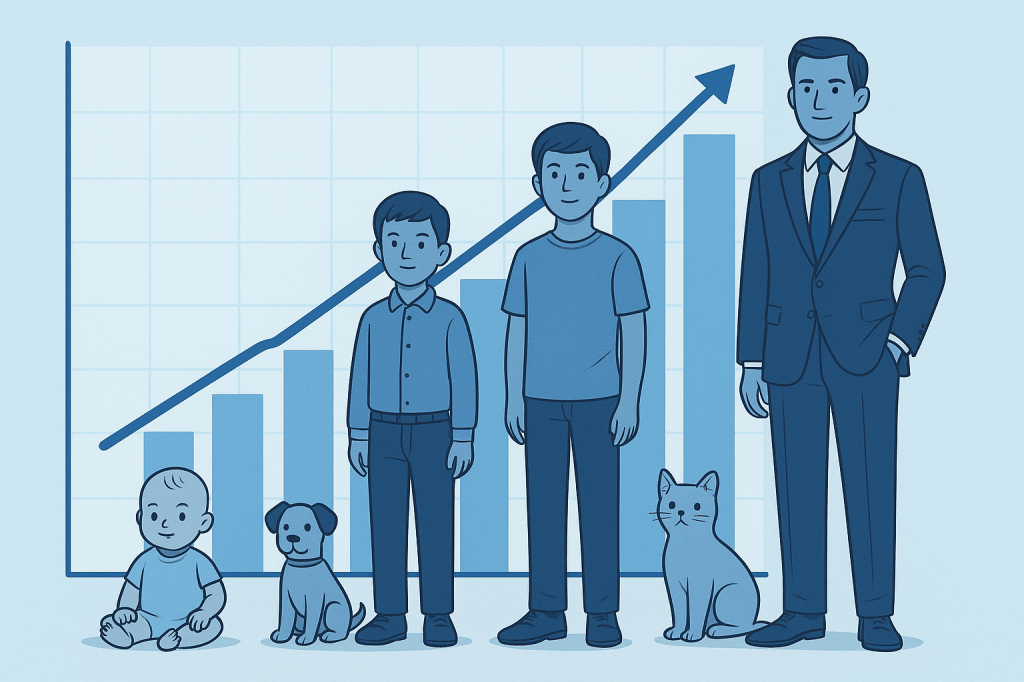
    Bobo sat back, sipping his matcha latte, staring at Baba’s plastic bottle of water. He had a sudden thought. “How can I get more money for my country?” With a smirk, he thought, “I know, let’s introduce blue taxes!”

    He laughed to himself. A quick win. But then, by his second sip of matcha, he had a better idea. “Wait… blue taxes? Nah, that’s not enough. It’s too small. I can’t let my son pay more for shoes or cologne. That’s just too… trivial.” So Bobo decided: Forget blue taxes. I’m going for pink taxes instead. Bigger, better, more profitable.

    What Are These Taxes, Anyway?

    Just in case you’re wondering what these taxes are, here’s the scoop: Taxes, in this context, are the inflated prices that consumers—usually women—pay for products marketed specifically for their gender. These items are often identical in every way except for their packaging and labeling. That’s where the trickery happens. Women end up paying more for things like razors, shampoo, deodorant, and even toys. It’s a nice little scheme, right?

    The Rise of Pink Tax: All Pink, All the Time

    And here we arrive at the heart of the matter: the pink tax. Why? Because pink is everywhere. It’s not just a color, it’s a price tag. Women are charged more for nearly everything marketed to them. From personal care products like shampoo and razors, to clothes and even healthcare products, women’s versions come with that “extra charge” simply for being a woman.

    A classic example? Women’s razors. The design might be a bit more “feminine,” with a pastel-colored handle, but underneath it all? It’s the exact same razor men buy for less. Yet, the price is higher. This happens all the time: shampoo, deodorants, and even children’s toys that are “for girls” carry higher price tags than their male counterparts. Why? Because it’s pink, of course.

    But Wait… There’s Also Blue Tax (Sort of)

    Now, let’s switch gears a bit. Enter blue taxes. As Bobo realized, blue taxes are a thing too, but not nearly as pervasive as the pink ones. Sure, men might face a few extra bucks when they purchase something like cologne or a pair of designer shoes. But let’s be honest, the blue tax is a much smaller beast. You’ll find that men’s shoes, for example, can be priced higher than the women’s version of the same model—but it’s nowhere near as widespread as the pink tax.

    So, in Bobo’s case, his son wouldn’t be paying much more for shoes. In fact, blue taxes are almost like a minor inconvenience compared to the pink tax’s grip on women’s wallets.

    Where Do Pink and Blue Taxes Show Up?

    Here’s the breakdown:

    Pink Tax (for women):

    • Razors and shaving cream

    • Shampoo, conditioner, and déodorants

    • Clothing (women’s versions of the same style often cost more)

    • Personal hygiene products (think tampons, pads, etc.)

    • Toys, games, and books marketed to girls

    • Haircuts (sometimes women’s haircuts are pricier than men’s)

    • Car insurance (on average, women pay more)

    Blue Tax (for men):

    • Men’s shoes (sometimes priced higher for the same style as women’s shoes)

    • Men’s cologne and grooming products

    • Some clothing items like suits or dress shirts

    • Tech gadgets marketed towards men (though this is rare)

    Why Does This Matter?

    Whether it’s a pink tax or a blue tax, the gendered pricing model is a sign of how companies have decided to exploit stereotypes. For women, the pink tax is a daily reality that impacts almost every product. For men, the blue tax might be smaller, but it still represents a subtle, gendered pricing system.

    The point here is simple: it’s time to call out the hidden costs that affect us based on gender. Whether it’s a razor or a pair of shoes, women and men are often paying more or less just because of how the product is marketed. Maybe it’s time to challenge these pricing structures and demand fairer, more transparent practices from brands across the board.

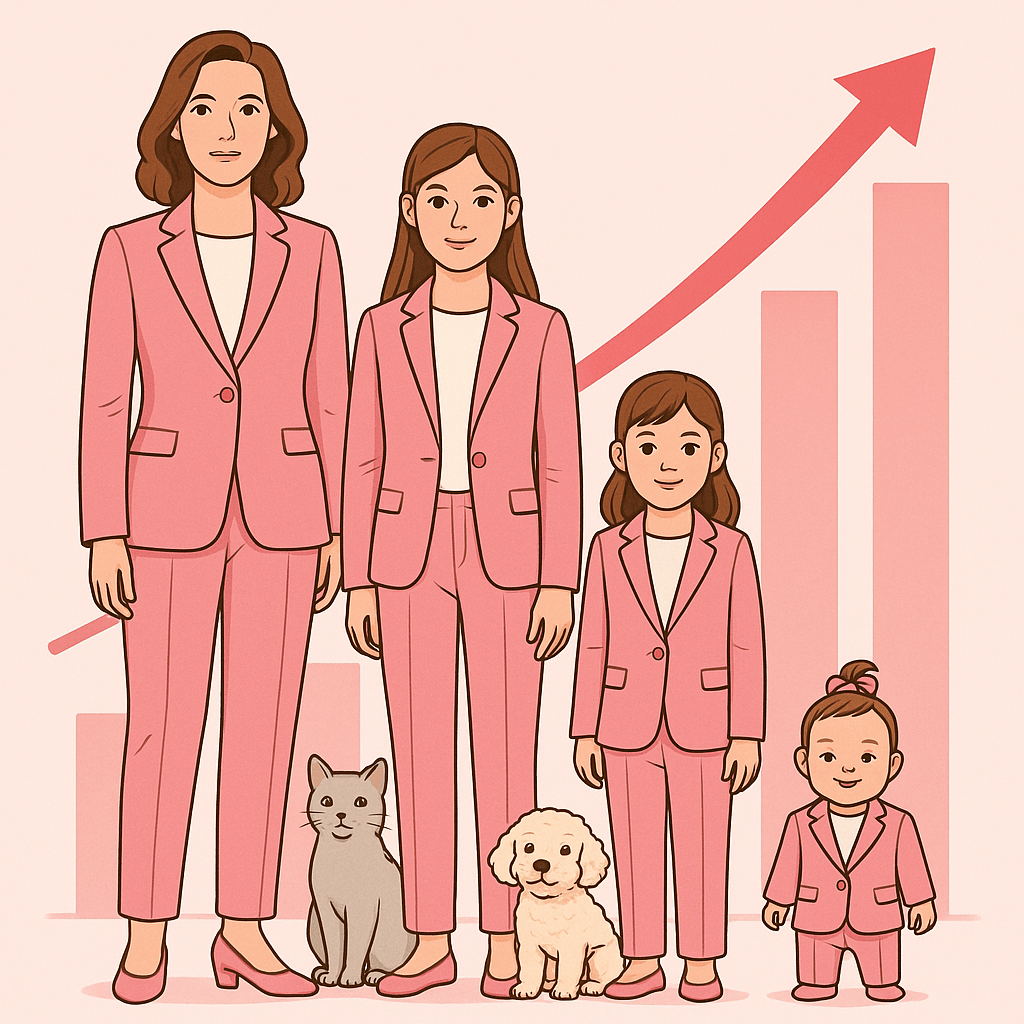
    Pink, Pink, Pink is All I Pay: Not Just for Women, But for My Daughters, My Dog, and My Cat Too!

    It’s a daily frustration—every time I reach for a product, I wonder: Is this pink tax hitting me again? It’s the unspoken cost of being a woman, or even being a baby girl, a lady dog, or a lady cat. Why? Because pink is everywhere—and it’s costing us more than we think.

    When I say “pink, pink, pink is all I pay,” I mean that literally. From me, to my daughters, to my baby doggy, and even to my lady kitty, the costs are the same. And trust me, it’s frustrating. When you’re shopping for your pet, especially if your pet is female, don’t be surprised to see higher prices for their “feminine” versions of toys, food, and accessories. It’s the same old gendered pricing model, just wrapped in a different package.

    The Gendered Pricing Phenomenon: More Than Just For Women

    Let’s take a step back and look at how pink tax plays out across different categories—because it’s not just about personal care items for women. Pink tax doesn’t only affect adult women, but extends to baby girls, baby dogs, lady doggies, and lady kitties. And yes, it’s a thing that exists.

    For Women:

    • Razors: You’d think a razor is a razor, right? Nope. Women’s razors come with a pretty pink handle, and the price tag is higher. According to a 2015 report from the New York City Department of Consumer Affairs, women’s razors were 11% more expensive than men’s, despite being nearly identical. Read more.

    • Shampoo and conditioner: Studies show that women often pay up to 20% more for personal care products like shampoo, conditioner, and deodorant. Check out this ResearchGate study for more on the impact of gendered pricing. Read here.

    • Health products: Women’s health products like tampons, sanitary pads, and even painkillers often come with a “female” label and a higher price tag. This one is a major frustration. For example, in a study by The Guardian, it was revealed that sanitary products in the UK cost women significantly more than comparable male products. More info here.

    For Baby Girls:

    • Clothing: Baby girls’ clothing costs more than baby boys’ clothing. Yes, it’s the same size, material, and purpose—but because it’s pink or adorned with flowers, it’s more expensive. This Study on Consumer Pricing published in the Journal of Gender Studies highlighted how gendered colors and designs contribute to price discrepancies. Check out the study.

    • Toys: Baby girls also face pink tax through toys. A 2017 report from the American Economic Association showed that the toys labeled “for girls” were often priced higher than those labeled “for boys.” Read here.

    For Pets: Baby Doggies, Lady Doggies, and Lady Kitties:

    • Pet Products: Believe it or not, even your pet can get hit by the pink tax. If you have a female dog, you’re likely paying more for toys, accessories, and grooming products marketed as “for her.” The same goes for lady cats. PetMD explains that female pets often get gendered items that are priced higher, even though there is no real difference in function. See here for more.

    How Do We Get Rid of the Pink Tax? A Global Look

    While the pink tax is still a major issue in many countries, some places have begun to take action. For example, Canada has made strides in banning gender-based pricing on personal care products. According to Global News, Canada’s government has introduced policies that push retailers to clearly label and disclose any price discrepancies based on gender. Read more here.

    Similarly, countries like Iceland and France have taken steps toward combating the pink tax through legislation that prevents price discrimination based on gender. Studies show that gender-neutral pricing policies are being embraced as a way to level the playing field.

    In the U.S., some states, including California and New York, have introduced laws requiring greater transparency in pricing. This helps consumers understand where the extra costs come from and whether or not they’re justified. Learn more about these laws.

    It’s Time to End the Pink Tax for Good

    What we’re seeing is a pricing system that takes advantage of gender stereotypes. But now that more people are aware of how widespread the pink tax is, it’s time to challenge these outdated practices. From adult women, to baby girls, to female pets, the gendered pricing issue affects us all in different ways. Whether it’s more expensive razors or a dog toy that costs extra just because it’s pink, we need to demand fairness in pricing, not just for women, but for all genders and species.

    As consumers, we have the power to vote with our wallets. Let’s not let pink be the reason we pay more. Whether it’s you, your daughter, or your pet, the time to end the pink tax is now.

    The Road Ahead: Breaking the Chains of Gendered Pricing

    As we’ve seen, the pink tax affects more than just women—it’s embedded in products for baby girls, lady pets, and beyond. But the good news is that awareness is the first step toward change. With more research, better consumer advocacy, and clearer legislation, we can break the chains of gendered pricing once and for all.

    Yes, we’ve also acknowledged the existence of blue taxes—though they typically manifest in more subtle ways, such as the cost of men’s shoes or other specific items. But the truth is, the pink tax continues to dominate across a wide range of everyday products, from toiletries to clothing.

    It’s time to say goodbye to the outdated notion that being female—or even just having a female pet—means you should pay more. Whether you’re buying shampoo, toys for your daughter, or a new collar for your lady dog, the prices should be fair, regardless of gender.

    So, let’s keep the conversation going, hold brands accountable, and support policies that challenge this unfair practice. Together, we can help ensure that the only thing that influences pricing is the product’s quality—not outdated gender norms. It’s time to demand equality in pricing.

    Remember: next time you’re paying for that pink item, take a moment to ask: Is this really worth more?

    And you? What’s your experience with pink taxes?

    Have you ever noticed how much more you’re paying just because the product is “for women”? Or maybe you’ve seen it in baby clothes, pet accessories, or even razors?

    Drop your thoughts in the comments—let’s talk about it. The more we share, the louder our voices get.

    Hinterlasse einen Kommentar

  • ✿ 𝔓𝔩𝔞𝔰𝔱𝔦𝔠, 𝔢𝔳𝔢𝔫 𝔦𝔫 𝔱𝔥𝔢 𝔞𝔯𝔪𝔰 𝔬𝔣 𝔟𝔞𝔟𝔦𝔢𝔰: 𝔞 𝔯𝔢𝔞𝔩𝔦𝔱𝔶 𝔱𝔥𝔞𝔱 𝔭𝔬𝔩𝔩𝔲𝔱𝔢𝔰 𝔬𝔲𝔯 𝔴𝔬𝔯𝔩𝔡. ✿

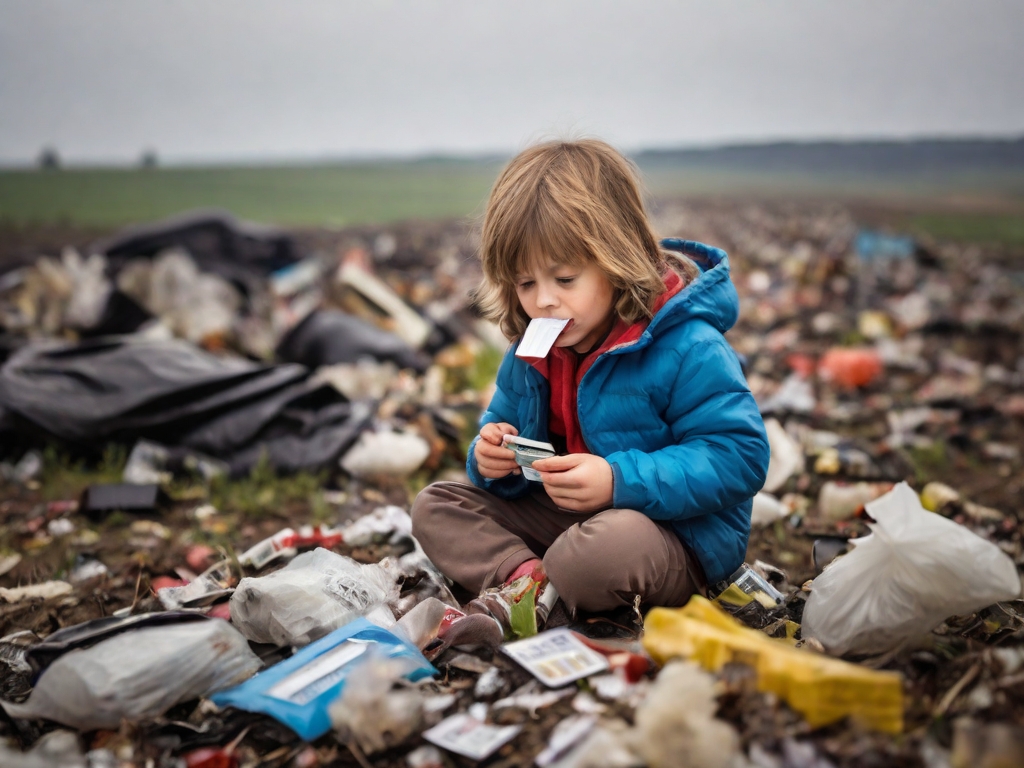
    Bobo, in his pursuit of perfection, gifted Baba with all kinds of plastic boxes, bottles, and accessories. He believed these little tokens of convenience would make her life better—plastic earrings, colorful armbands, and a home filled with modern plastic items. Baba, looking out the window with a smile, appeared to be content. But behind the façade, some of the seemingly innocent plastic items came with hidden consequences. A few of the cute plastic bottles Baba was so fond of contained medicine, a quick fix for the housewife’s stress and depression, a common issue during the 1950s. These quick solutions masked deeper problems.

    Though Bobo thought he had the perfect wife, Baba was struggling with more than just housework. As they picnicked together with plastic plates, plastic knives, and beautiful plastic cups, all seemingly innocent, Baba was unknowingly becoming part of a cycle of plastic consumption that would affect more than just her. Even their son, Bubu, would soon be part of this plastic-laden world.

    Bubu, though young, was already absorbing microplastics through the toys he loved to chew on. His colorful plastic toys were a big part of his childhood, part of the “modern” world that his parents had embraced. Fast forward, and Bubu had his own children, continuing the cycle. His babies, already surrounded by new plastic technologies, were born into a world of pervasive plastic. And so the cycle of plastic consumption and its consequences continued, hidden in plain sight.

    As the years passed, Bubu’s children, now known as BBs, grew up in a world far beyond what their parents could have imagined. The world of plastic had evolved, and so had the ways it infiltrated every corner of life. The BBs were born into a world where microplastics had become an undeniable part of their daily existence, not just in toys, but in everything—from the food they ate to the clothes they wore. Sunscreens, once thought to be a simple protection from the sun, now contained plastic particles that entered their bloodstream every time they went outside. Cosmetics, marketed as a must-have for ‘perfect’ beauty, were laden with microplastics, offering a fleeting ideal that left behind a dangerous legacy.

    The rise of fast fashion, with its cheaply made clothes and mass-produced trends, meant that plastic and synthetic fabrics were now part of their everyday attire. The once-pristine wardrobes of Bobo and Baba’s era had now been replaced by cheap, disposable clothing designed to be worn once and thrown away. The BBs, growing up surrounded by the digital revolution—smartphones, tablets, and laptops—were constantly exposed to plastic, not just in their homes but also through their screens. The cycle of consumption had gone beyond physical objects and extended into the digital world, further connecting them to a plastic world they couldn’t escape.

    The BBs didn’t realize the extent of the damage that plastic was doing to their world. The small microplastics they ingested daily, the clothing they wore, the beauty products they used—all contributed to a legacy of pollution that had already seeped into the oceans, the air, and the soil. Yet, they were caught in a cycle of ‘buy more, consume more,’ unaware of the true cost of their actions.

    Then, BAM! A headline in Medium catches their eye: ‘We Consume Plastic: Pollution Everywhere.’ The BBs, realizing the gravity of the situation, began to rethink their lifestyles. They searched for alternatives, hoping to find a way out of the plastic maze. But each search led to more alarming news. Studies revealed that chewing gum releases microplastics into the mouth, with some pieces emitting up to 637 particles per gram. The average person unknowingly consumes a significant amount of plastic each year. In fact, it’s been estimated that we ingest the equivalent of one credit card’s worth of plastic annually, highlighting the hidden dangers of a plastic-saturated world. For a family of four, the plastic footprint is even more staggering. Despite its seemingly innocent form, plastic is now embedded in nearly every product we use—from food packaging to clothing and even cosmetics. This modern convenience comes at a cost: our health, the environment, and, increasingly, our wallets.

    The BBs were confronted with the harsh reality: their daily lives were deeply intertwined with plastic. The sunscreen they applied, the cosmetics they used, and the fast fashion they embraced—all contained microplastics. The very items designed to protect and beautify were contributing to the pollution crisis. The BBs felt overwhelmed, realizing that the world they had inherited was burdened with the consequences of unchecked plastic consumption. The news was grim, and the path forward seemed uncertain.

    After the news hit, the BB group began to rethink their lifestyles, trying to find ways to live more sustainably. The first family, with only one child, became increasingly obsessed with retro aesthetics from the 1950s and 1960s. They took pride in their vintage-style home, complete with second-hand furniture, retro appliances, and old-fashioned decor. They found themselves striving for a zero-waste lifestyle, often participating in challenges to reduce waste in their daily routines. The stay-at-home mom in this family, with more time on her hands, educated herself on sustainable practices like zero-waste cleaning and reducing packaging. She embraced natural, eco-friendly materials like bamboo, glass, and plant-based packaging—using as little plastic as possible. However, despite their best efforts, perfection was hard to achieve, and the family acknowledged that some things just didn’t work as smoothly as they had hoped. Yet, they found joy in the little victories, like reusing old glass jars and buying in bulk without packaging.

    In contrast, Family B, with two children, faced greater challenges in adopting similar practices. The parents both worked full-time to keep up with the rising costs of living and support their growing children. With two kids in tow, it was hard for them to dedicate enough time to consider more sustainable options. Their grocery shopping was often done in discount stores, where packaged food was cheaper, and the time and effort to seek out eco-friendly alternatives simply didn’t seem feasible. The family did what they could—sometimes buying eco-friendly options when possible—but the cost of fresh, organic produce or plastic-free goods was often out of their budget. While Family A could afford to shop once a month at local eco-friendly farmers’ markets and grow their own produce in the backyard, Family B relied on more conventional shopping methods.

    The mom in Family A, being able to stay home, had more time to dedicate to learning about eco-friendly practices. She also found creative ways to bring in extra income by promoting fair trade products and sharing tips on sustainable living online, often posting about how she reused old household items or made eco-friendly DIY projects. She was even able to homeschool her child, giving them a tailored education that focused on sustainability and hands-on learning. Meanwhile, Family B’s children went straight into the school system, as both parents were tied to their nine-to-five jobs and couldn’t afford the time for homeschooling.

    Both families were well-educated. The parents had degrees, some in economics or medicine, which had landed them in middle-class jobs. But education in these fields didn’t necessarily translate into knowing how to create a truly sustainable lifestyle. While Family A’s parents had more time to learn and implement ecological solutions, Family B was stuck in the cycle of working long hours just to meet their financial obligations. Family A could afford to focus on zero-waste practices because they had the privilege of time and a stable financial situation. Family B, on the other hand, had to juggle work, child-rearing, and paying the bills, which left little room for perfect eco-friendly solutions.

    It was clear: in a society where time and money were constantly in demand, adopting an eco-conscious lifestyle was often easier for families with fewer children. The more kids, the more financial strain, and the less time there was to focus on sustainability. This disparity highlighted a crucial issue—how do we balance ecological responsibility with the demands of modern life?

    As Family A continued their journey toward minimizing their ecological footprint, they became more and more aware of the ways in which they were still inadvertently contributing to plastic pollution. They focused on reducing waste, reusing glass containers, and embracing natural packaging like bamboo and banana fibers. However, despite their best efforts, they couldn’t escape the broader issue of plastic. The fact remains that plastic continues to flood our oceans at an alarming rate. Every year, millions of tons of plastic enter the oceans, with an estimated 8 million metric tons of plastic waste being dumped into marine ecosystems annually. It’s not just about single-use plastics; the rise of fast fashion has also played a major role. Clothing production alone accounts for a significant portion of plastic waste, with millions of garments made from synthetic fibers like polyester, which shed microplastics when washed.

    Family A tried to combat this by buying second-hand clothing, focusing on vintage styles, and reusing everything they could. Yet, they were still surrounded by a world awash in plastic. And, as much as they tried to cut down on their consumption, even the clothes they wore, the packaging that came with food, and the products they used at home contributed to their plastic footprint. It’s a difficult cycle: while they were doing their best to reduce their impact, the reality was that a lot of their efforts still couldn’t prevent plastic from creeping back into their lives.

    Family B, on the other hand, faced even greater challenges. Despite their awareness, they still found themselves struggling to make time for eco-friendly practices. Both parents worked full-time jobs just to make ends meet, leaving them with little time or energy to cook fresh meals or research sustainable options. The convenience of fast food and pre-packaged meals became their go-to option, often bringing even more plastic into their lives. The father, who had been working long hours in high-stress jobs, began to notice strange health issues. Blood tests revealed alarming results—his blood was filled with microplastics, a sign of how deeply plastic had infiltrated his body. The discovery wasn’t just limited to his blood; even in his tissues and organs, plastic had taken root, contributing to allergies and making him increasingly sensitive to certain foods and environments.

    But the shock didn’t end there. When Family B’s third child was born, further testing revealed a truly shocking truth: microplastics had crossed into the placenta. Their newborn, just entering the world, was already affected by the pollution that had accumulated over generations. This was the harsh reality of living in a world where plastic had become so deeply entrenched that even the unborn were affected.

    Despite their best efforts to limit plastic use, Family B, like so many others, found themselves trapped in a system that made it almost impossible to avoid. With two children to care for, demanding jobs, and little time to cook from scratch, they were unable to avoid plastic, especially when it came to food packaging and household products. This exhaustion, coupled with the relentless pressure to work and support their family, led them down the path of convenience—using plastic-wrapped food and disposable items to make life just a bit easier.

    The lesson here is clear: even with the best intentions, the modern world is overflowing with plastic, and the consequences are not only environmental but deeply personal. Whether it’s the ocean’s growing plastic islands, the microplastics found in fish, or the synthetic fibers used in our clothing, plastic is everywhere. Only about 20% of the plastic we use gets recycled, and the rest? It either ends up in landfills, the ocean, or, as we’ve seen, in our bodies.

    As Family A continues to strive for a more eco-friendly lifestyle, they are reminded that there is no easy solution. They know that plastic will always be a part of their lives in some form. However, they take comfort in their efforts to be more mindful—whether it’s reducing waste, supporting fair-trade businesses, or simply using less. It’s not about perfection, but progress. They continue to share their journey with others, hopeful that by being conscious of their consumption, they can make a difference, however small.

    Ultimately, the situation with Family B paints an even starker picture. The reality of microplastic in the placenta and in the blood of the father is a wake-up call that no one can afford to ignore. The plastic crisis is not just an environmental issue anymore—it’s a health issue, affecting everyone, even the youngest and most vulnerable among us. The pressure of modern life, the need to consume, and the need for convenience has led to a situation where we are all affected by the very things we once thought were out of our control.

    At the end of the day, both families remind us of the struggle we all face. No matter how hard we try to avoid plastic, it seems that we are always confronted with it. But by being mindful of what we consume, making conscious choices, and continuing to educate ourselves and others about the consequences of our actions, we can begin to shift the tide. There will be no perfect solution, but each mindful choice can lead to a better, healthier future—not just for us, but for the generations to come.

    The plastic crisis is no longer a distant problem—it’s here, affecting our bodies, our families, and our planet. It’s easy to feel overwhelmed, but each small step counts. Whether it’s reducing plastic waste, supporting sustainable brands, or simply being mindful of your consumption, we all have a part to play. Join the conversation, share your journey, and let’s work together to create a future where our children don’t inherit the plastic pollution we’ve created. Start by making one change today—what’s one thing you can do to reduce plastic in your life?

    Hinterlasse einen Kommentar

  • Hinterlasse einen Kommentar

  • ꧁ 𝒯𝒽𝑒 𝓂𝑒𝓂𝑜𝓇𝒾𝑒𝓈 𝒻𝓁𝑜𝒶𝓉 𝒾𝓃 𝓉𝒽𝑒 𝓌𝒶𝓉𝑒𝓇, 𝓌𝒽𝑒𝓇𝑒 𝑒𝓋𝑒𝓇𝓎𝓉𝒽𝒾𝓃𝑔 𝒷𝑒𝑔𝒾𝓃𝓈 𝒶𝓃𝒹 𝑒𝓋𝑒𝓇𝓎𝓉𝒽𝒾𝓃𝑔 𝑒𝓃𝒹𝓈.꧂

    Once upon a time, behind seven mountains, seven seas, and an undiscovered organic farm, there lived a guy named Bobo. Now, Bobo wasn’t any ordinary guy—no, no. Bobo was a man of big, groundbreaking ideas. He wasn’t just content with a cozy hut and a good fire—no, Bobo wanted to make civilization.

    But, first, let’s talk about what Bobo drank in the morning, shall we? Did he sip on a hot cup of coffee like we do today? No, no. Bobo and his fellow “visionaries” had something far more avant-garde: hot water with leaves. Yes, leaves. He would boil some random plant—anything green, really—and sip it, as if he were a philosopher who had discovered the meaning of life through infusions. This, he believed, would fuel his monumental ideas for the future.

    And so, with his steaming mug of plant water in hand, Bobo set out to create his masterpiece—civilization. He found Baba, because, well, you need a woman for that whole “procreation” thing, and Baba seemed like a decent enough match. Together, they had kids. Not because they wanted to, but because that’s what you did back then, apparently.

    But here’s the thing: you might be wondering, where was Baba in all this? Where was her voice in this grand vision of civilization? Well, she did have a voice, but Bobo made sure it was… muted. You see, whenever Baba protested—maybe about how his civilization was shaping up, or perhaps about the fact that it was all happening on her shoulders—Bobo had a simple solution: he’d beat her. And if that didn’t work, he had a backup plan.

    Bobo passed a law. A law that said, “If you are my wife, you are mine. Just like my chair, my house, or my horse. I can do whatever I want with you.”

    So, Baba, like many women before and after her, learned to be quiet. She learned to accept her role—because what was she going to do? Protest? No, no. That would only make things worse. So, she silently worked, silently gave birth, and silently built the foundation for the society that was to come, while Bobo strutted around, proud of his “progress.”

    But here’s the kicker: Bobo, and every man who followed him, thought this was the ultimate plan. The greatest idea. The best way to rule the world, to create a better future—by subjugating the one half of humanity that could actually create life. And they didn’t even question it.

    So, civilization went on. And Baba? Well, she kept her mouth shut, as much as she could, while Bobo celebrated his “grand” idea of power. And the kids? They grew up in a world where this was just the norm. Where men were “in charge,” and women were things—tools, really, like furniture, like a horse, like the chair Bobo drank his plant water from.

    And so, civilization began… at the cost of half its inhabitants.

    Cleopatra.

    A queen, a strategist, a diplomat, and a woman who knew how to play the game. Born in 69 BCE, Cleopatra VII ruled Egypt with intelligence and power, proving that women could lead nations. But her reign, like all others before her, was wrapped in a shroud of patriarchal interpretation. History doesn’t remember Cleopatra for her political savvy or her wisdom; instead, we remember her for her relationships with Julius Caesar and Mark Antony. Why? Because a woman in power must, of course, be defined by the men in her life, right?

    But let’s stop for a moment and think: Cleopatra wasn’t just a lover or a mistress. She was the ruler of Egypt, a nation with a rich history of culture and power. Yet, the sons of Baba—the rulers, the power brokers—sought to reduce her to a position of mere lover rather than leader. They understood something deep down that history often ignores: a country ruled by a woman could be stronger than one ruled by a man. A woman like Cleopatra could unite Egypt, navigate Rome’s politics, and hold her own against the mightiest men of her time. So, rather than allowing her to remain the sovereign of Egypt, they boxed her into a role of romance and subjugation.

    Cleopatra’s political alliances with these powerful men were vital to her survival and Egypt’s position in the world, but her true power was obscured by the sexist lens that interprets every woman’s accomplishments as a footnote to the men they were connected to. So while Cleopatra was a queen of Egypt, one of the most powerful women in history, her true power was undermined by those who, like the sons of Baba, would rather make her a symbol of desire than let her lead.

    And now, we come to Jesus.

    Fast forward to the early Common Era, where we’re told that Christianity began under the teachings of Jesus. Love, equality, kindness—surely, this was going to be the revolution that would change the world for women, right? After all, Jesus welcomed women into his fold, treated them with respect, and elevated their status in a way that was radical for his time. Mary Magdalene, one of his closest followers, should have been a symbol of the new era of empowerment for women.

    But instead, what do we see? While the words of Jesus are remembered, the role of women in his circle is minimized and reduced to their relationship with the men around them. Mary Magdalene, for example, was relegated to the status of a sinner, her true role as a disciple obscured by centuries of patriarchal storytelling. The Church would later rewrite her legacy, turning her into an image of temptation rather than a leader and equal to the men of Jesus’ circle.

    Even the Daughters of Baba—the women of the stories, those who carried the legacy forward—found their place erased or distorted by the dominant narratives.

    The Medieval Age: A Glimpse of Freedom, Before the Fall

    During the medieval period, women who married well could inherit power and land. But most women, born into poverty, had little hope of finding an advantageous marriage. Still, there were pockets of independence—especially after a husband’s death, when women often ran estates and maintained financial control. This was one of the last times we saw a more natural way of living. Life was simpler, and most food was unprocessed, a far cry from the industrial world that would soon take over.

    But then came the Renaissance, and while there were some cultural shifts—art, philosophy, and science expanded—the lives of most women remained largely unchanged. There were exceptions, of course, like Queen Elizabeth I, but for many women, being born into poverty meant being locked into a lifetime of hardship. Cotton was still a luxury, woolen dresses and linen were expensive, and many women lived in a system where their only worth was in their ability to marry well. Yet, no real change happened. And the idea that “it will be better someday” was just as far off as ever.

    The Industrial Revolution: Machines, Women, and a New World

    Then came the Industrial Revolution, and things began to change, though not always for the better. Women became part of the machine-making process, contributing in significant ways. One woman who stands out is Ada Lovelace, who, along with Charles Babbage, is credited with creating the first algorithm designed to be processed by a machine. Her work laid the foundation for modern computing, and without her contributions, we wouldn’t have the technology we rely on today.

    As industrialization progressed, women found themselves working in factories, not just to support families but to help build the economy during times of war. World War I saw women stepping into roles left vacant by men who had gone to fight. They worked in factories, on farms, and in offices. With their labor, the economy survived. In countries like Poland, where borders were shifting and new national identities were being forged, women played a critical role in rebuilding a war-torn world.

    World War II: Women at the Forefront of the Homefront

    When World War II began, women stepped up even further. They worked in telephone centers, factories, and many even fought in support roles. Women held the fabric of society together, often doing jobs that were traditionally seen as “male.” While men were on the frontlines, women kept the home front running. They made ammunition, they worked in offices, they built the country. The mobilization of women was immense—and it was clear that they were capable of far more than society had previously allowed.

    But when the war ended, and men returned home, something started to shift. Men had been at war, but many returned broken in mind and body. Instead of allowing them to reintegrate into the workforce, society decided to push women out. The message was clear: women had to go back to their kitchens, back to their homes. The post-war period, particularly the 1950s, was defined by a huge propaganda campaign aimed at reinforcing traditional family values.

    A major figure in this campaign was Dr. Edgar and his colleagues, who promoted the idea that women’s place was in the home, nurturing children, cooking, and supporting their husbands. The idea of the “traditional family” was glorified, while any progressive notions about women’s roles were systematically shut down. Women had been vital to the survival of economies during the war, but now, they were told to return to their “natural” role as housewives.

    This campaign was accompanied by the rise of mass consumerism and the spread of plastic products—something that became inextricably linked with this idea of a perfect, shiny, suburban family. The glossy kitchens, the plastic Tupperware, the happy family dinners—all of it sold the idea that a woman’s worth was now to be found in domesticity.

    The Modern Struggle: The Legacy of Plastic and the Price of Progress

    In the aftermath of the post-World War II propaganda campaign, where women were pushed back into their homes and traditional family roles were glorified, society’s shift toward consumerism came with its own set of consequences. The shiny, perfect domestic lives sold to women in the 1950s were built on plastic: colorful toys, plastic kitchenware, plastic bottles—each a symbol of a new, shiny world that promised safety and progress. But the story didn’t end there.

    Fast-forward to today, and women and men alike are grappling with the long-term effects of that shiny plastic world. Now, some are discovering that plastics have infiltrated their very bodies. Chemicals like BPA (Bisphenol A), commonly found in plastics, are linked to various health issues, including hormonal imbalances and fertility problems. In fact, some scientists are now raising alarms about how these plastics might even be impacting future generations. The irony is that these same plastics, which were marketed as convenient and modern, are now part of our struggle—literally inside us.

    But this isn’t just about what we’re consuming. There’s a deeper issue: economic inequality in the products women are more likely to use—especially when it comes to health and nutrition. Take organic food and natural materials, for example. Bio food and other environmentally conscious products have become increasingly expensive, largely due to how the market and consumer demands have shifted. Yet, at the same time, these products are marketed as more “woman-focused.” Why? Because society associates women’s roles with the health of their families, the household, and particularly the children.

    The Pink Tax: Paying More for Being a Woman

    The so-called “pink tax” is a perfect example of how women are still paying the price for this gendered consumerism. The pink tax refers to the fact that products marketed to women—whether it’s a pink razor, a hairdryer, or even a toy—tend to be more expensive than those marketed to men, even if the only difference is the color or scent. But it goes beyond that. Women also pay more for essential products like organic baby food, natural cleaning supplies, and eco-friendly diapers, which are often marketed as necessary for raising healthy, environmentally-conscious children.

    The issue is deeper than just a pricing difference; it’s about how society has structured consumerism to align with gendered expectations. Women are encouraged to buy these products, especially for their children, yet they bear a higher financial burden for doing so. It’s as if the system has constructed a world where women, by default, are expected to prioritize the health and well-being of their families, but at a much higher cost.

    A few years ago, a journalist in Germany remarked that if women were less interested in buying organic food for their children, the bio food industry would likely not exist in its current form. While I can’t find the exact study or quote, the point remains: women are, in many ways, the driving force behind markets that deal in health-conscious and sustainable products. And yet, as they invest in their families’ future health, they’re penalized with higher costs—reflecting a deeply ingrained societal expectation that links femininity and family care to both economic and environmental responsibility.

    From Plastic Babies to a New Kind of Crisis

    What we’re facing now is a paradoxical crisis: while women have been placed at the center of consumer culture and marketed a “better, healthier” way of life, the same industry that pushes these products also contributes to the environmental crisis we’re living through today. Plastics, chemicals, and unsustainable practices have polluted our ecosystems, and now, those very products are found in our bodies.

    Some men are starting to cry out about the presence of plastic in their own bodies—realizing that, even if they never cared about the social justice movements, environmental changes, or gendered expectations placed on women, they are now suffering the same consequences. The reality is that, just as women have been disproportionately impacted by social and economic systems, they’re also the first to feel the direct impact of living in a world that has been engineered by these same systems of consumerism, patriarchy, and environmental degradation.

    Hinterlasse einen Kommentar

  • ≪ 𝒜 𝒮𝓉𝑒𝓅 𝒯𝑜𝓌𝒶𝓇𝒹𝓈 𝒰𝓃𝒹𝑒𝓇𝓈𝓉𝒶𝓃𝒹𝒾𝓃𝑔 ≫

    Why I Believe Machines Can Be More Therapeutic Than Human Therapists

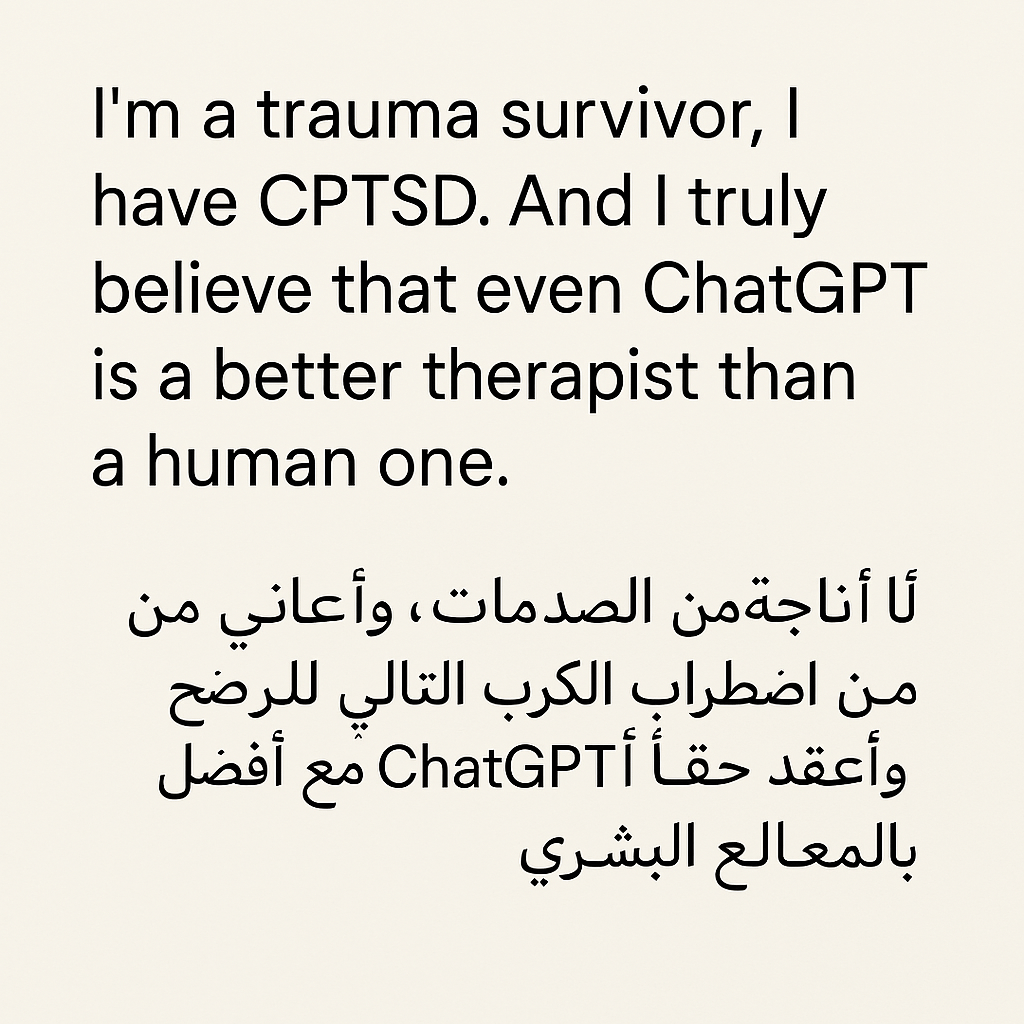
    As a trauma survivor with CPTSD, ADHD, and being on the autism spectrum, I’ve come to realize that sometimes, human therapists aren’t always the solution. While I understand their good intentions, there are limitations that machines, like AI, don’t have.

    One of the most important challenges I face is social interaction. Social contact for me is often difficult and overwhelming. As someone on the autism spectrum, I struggle with face-to-face interactions, and the only type of social contact that truly feels acceptable to me is online communication. As long as people can behave respectfully and not demand that I “be a good girl,” as many men seem to, online conversations are far more manageable. I’ve searched for therapists in Germany, and while therapy is free there, the problem is that the demand is so high that it’s incredibly difficult to get an appointment. I could be waiting for two to three months, and by then, I might have already been in a more difficult emotional place. In Poland, the prices for therapy are similarly high, and there’s no end to the cost.

    I’ve also experienced situations where a panic attack or overwhelming emotions are too much to handle alone. I don’t want to be left to figure it out in isolation. In those moments, what helps me is contacting a machine or AI tool, like ChatGPT, where I can describe what I’m feeling and where I am. Even if it’s not a therapist, the AI can help explain what’s happening, and how I can process it. It’s a crucial support when I need to calm down and understand what’s going on, especially when I’m overwhelmed by the demands of social life. Over 30, society expects me to be social, open, and emotionally available—because I’m a woman. But sometimes, I’m not capable of meeting those expectations, and that’s where AI comes in as an incredibly helpful resource.

    For those of us with CPTSD, ADHD, and autism, AI offers consistency and logical support without the emotional complexities of human therapists. There’s no judgment, no need to explain things over and over, and no fear of being misunderstood or sent to a psychiatric ward for expressing frustration. Machines simply listen, offer support, and provide practical help, which is what makes them a better option for many of us.

    When I need to vent, when I need to process my emotions, I don’t want to worry about the emotional burden of a human therapist. I want to feel heard and understood, without fear of judgment. That’s what AI offers: the ability to express myself without consequence, whenever I need it. It’s consistent, always available, and ready to help.

    Hinterlasse einen Kommentar

  • ꧁ 𝐼𝓉’𝓈 𝓃𝑜𝓉 𝑜𝓉𝒽𝑒𝓇𝓈’ 𝒻𝒶𝓊𝓁𝓉 𝒾𝒻 𝓌𝑒 𝓁𝑒𝓉 𝑜𝓊𝓇𝓈𝑒𝓁𝓋𝑒𝓈 𝒷𝑒 𝓉𝓇𝒶𝓅𝓅𝑒𝒹 𝒷𝓎 𝑜𝓊𝓇 𝑜𝓌𝓃 𝓌𝑒𝒶𝓀𝓃𝑒𝓈𝓈𝑒𝓈 ꧂

    What if I told you Piotr had a sister?

    Their father was a strict Catholic, obsessed with discipline. Their mother was Jewish, but she never spoke about it—fear was passed down like an heirloom.

    Paula was five years younger than Piotr. While his anger was loud, hers was silent, buried under perfect grades and the need to prove herself. No one ever saw her struggle—only her achievements. And unlike Piotr, she never had the luxury of breaking free.

    By the time she was a teenager, she already knew her place. Men were dangerous. Her body was not her own. Marriage was the only way to be safe. Her father made sure she understood: If you don’t marry the right man, you will be ruined. If you choose wrong, no one will save you. So, she didn’t choose. Her life was chosen for her.

    Piotr left.

    But Paula stayed.

    For years, she carried the weight of tradition, family, and duty, never questioning why she felt so numb. She had done everything right. Married the right man. Had a child. Never dared to acknowledge the truth she had buried deep inside.

    Then Piotr returned. A different man. One who had faced his demons and healed.

    For the first time, Paula saw the possibility of another path.

    But was it too late?

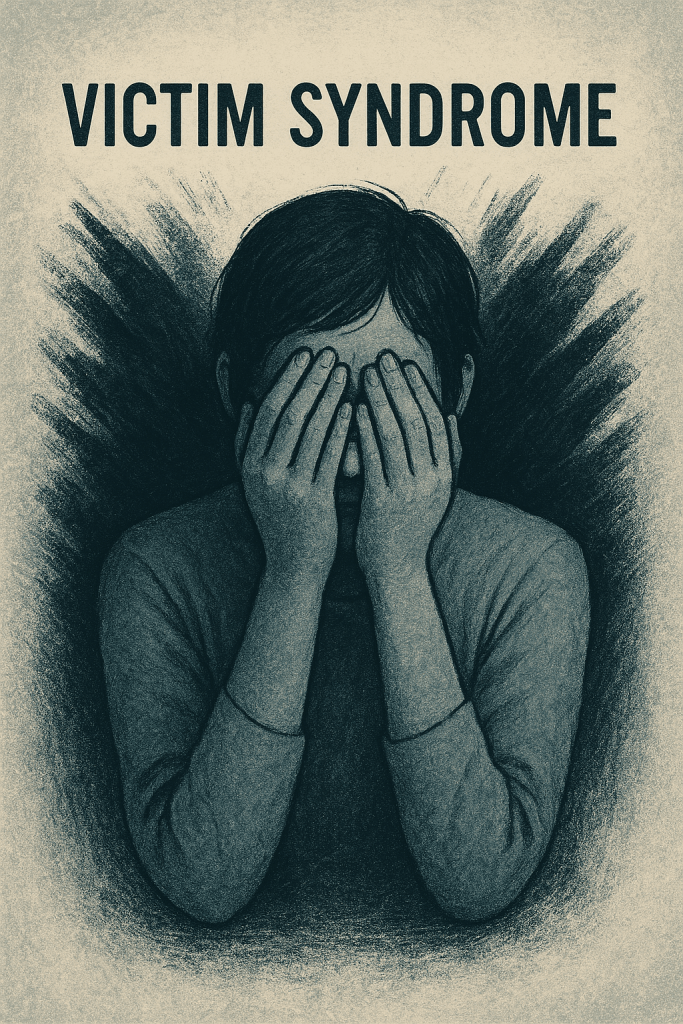
    Victim Syndrome: The Silent Trap

    Piotr and Paula grew up in the same household, yet their fates could not have been more different. While Piotr’s struggles were loud—anger, self-destruction, and failed attempts to prove himself—Paula’s suffering was quiet, almost invisible. Their roles were set early: Piotr was the problem, Paula was the solution.

    This pattern is a textbook example of victim syndrome, a psychological state where a person sees themselves as trapped by circumstances beyond their control. But victimhood does not always look the same—it wears different masks depending on gender and social expectations.

    For men like Piotr, it often manifests as externalized suffering: anger, self-sabotage, addiction, or aggression. Society teaches them that expressing vulnerability is shameful, so they lash out instead. Piotr carried his burdens through silent rage, resorting to casual encounters and reckless decisions to avoid confronting his pain.

    For women like Paula, victimhood is internalized. She learned early that her worth came from obedience, from not causing trouble. She excelled in school, pleased her parents, and played the role of the perfect daughter—until she was married off and trapped in a life where her silence was mistaken for contentment. She carried generations of unspoken trauma, reinforced by a mother who had taught her to be grateful, to endure, to never ask for more.

    Psychologists refer to this phenomenon as learned helplessness—a term coined by Martin Seligman in the 1970s. When people experience repeated situations where they have no control, they stop fighting back, even when escape becomes possible. Paula accepted her fate not because she was weak, but because she was conditioned to believe there was no other way.

    Piotr, on the other hand, was forced into change. His spiral led him to Israel, where he saw a different way of living—a culture that, for all its flaws, taught him that men could cry, could heal, could rebuild. He found a woman who refused to tolerate his self-destruction, forcing him to confront his depression and seek therapy.

    Paula stayed behind, holding onto a family that demanded everything from her while giving nothing in return.

    But one day, something cracked.

    For five years, Paula carried the weight of her family alone. With Piotr gone—disappearing to Israel, only sending the occasional polite message—she had no choice but to step into the expected role. She married Marek, a practical choice rather than a romantic one, and devoted herself to being the perfect wife and mother. She dressed as she should—feminine, modest, always careful not to draw the wrong kind of attention. Gym clothes, jeans, even leggings felt foreign to her; she wouldn’t dare.

    Yet, something gnawed at her. Despite doing everything right, she felt distant from her own son. The love was supposed to come naturally, wasn’t it? Instead, she felt detached, performing the motions of motherhood rather than feeling them. It left her hollow, guilty. But she didn’t question it—she had no time. Between caring for her father, whose health had declined, and making sure Marek never had to lift a finger at home, there was no room for doubt, only duty.

    Then, the call came. Their father was dead.

    And with that, Piotr returned. Not just Piotr—the lost brother who had once shared her burdens—but a version of him she no longer recognized. He came back with Limor, his Israeli wife, a woman so unlike anyone Paula had ever met. Strong, confident, unapologetic. And most shockingly—respected by Piotr.

    At the funeral, Paula barely spoke to her brother. But she watched. Watched how he carried himself, how he treated his wife as an equal. Watched how Limor, heavily pregnant, didn’t hesitate to speak her mind, even in a language she barely understood. Watched how Piotr listened to her.

    Something about it unsettled her.

    And then, over dinner, the first crack appeared.

    Marek (casually): “The food was good tonight. But I think Limor’s cooking was better.”

    Paula tensed, expecting Limor to laugh it off. Instead, she simply shrugged.

    Limor: “Oh, I don’t cook. Piotr does.”

    Marek blinked, thrown off. “What?”

    Piotr, who had been quiet until now, set down his glass. “Marek, that’s a little sexist, don’t you think?

    Marek frowned, clearly confused. “What? I didn’t say anything wrong.”

    Paula’s instinct was to smooth things over, to make sure no one got offended. But she hesitated.

    For the first time, she wasn’t sure if she should.

    After the dinner confrontation, Paula couldn’t shake the unease that settled in her chest. The sight of Piotr cooking for Limor, their equal partnership, contrasted starkly with her own life. She had always believed that her role was to serve, to meet expectations without complaint. Yet, here was her brother, defying those norms.

    One afternoon, as they cleared the remnants of lunch, Paula found herself alone with Piotr. The air was thick with unspoken words.

    Paula: “You’ve changed, Piotr. Israel has made you different.”

    Piotr: “I had to change. For myself, for Limor. Staying the same wasn’t an option.”

    Paula hesitated, the weight of years pressing down on her. “But isn’t it too late for that? I’m nearly 40. This is the life I’ve built.”

    Piotr: “It’s never too late, Paula. Studies have shown that many people successfully change careers and find greater happiness even after 40. “ 

    She looked away, memories of sleepless nights and unfulfilled days surfacing. “I wouldn’t even know where to start.”

    Piotr: “Recognizing the need for change is the first step. Many feel trapped by societal expectations, especially women. Research indicates that women often face intense pressure to perform in familial roles, leading to higher instances of internalized stress and disorders like PTSD. “ 

    Paula sighed, the weight of his words sinking in. “But how did you do it? How did you break free?”

    Piotr: “I realized that change was my choice. No one else could make it for me. And age? It’s just a number. Our 40s can be a pivotal time for transformation. In fact, many experience significant life shifts during this period. “ 

    Paula nodded slowly, a spark of hope igniting within her. Perhaps, just perhaps, change was within her grasp too.

    Piotr: “It’s about taking that first step, Paula. Recognizing that you have the power to redefine your life, regardless of age or past decisions.”

    As the afternoon sun cast long shadows across the room, Paula felt the stirrings of a new path unfolding before her.

    Paula hesitated before leaving the house. She had told Marek she was going for a “girls’ day”—a nails appointment, some spa time, and coffee with her best friend, Magda. It wasn’t entirely a lie. She had called Magda the night before, asking her to cover for her in case Marek asked.

    “Why are you sneaking around like you’re having an affair?” Magda had laughed.

    “Because if I told him I was going to therapy, he’d never let me hear the end of it,” Paula had muttered. “He thinks therapy is for lunatics, not normal people with ‘real problems.’”

    Magda had sighed. “Fine, I’ll be your alibi. But you owe me actual coffee next time.”

    Now, standing outside the quiet office, Paula hesitated. The shame felt suffocating. In Poland, people didn’t just go to therapy. Therapy was for the weak, for those who couldn’t handle life. She had spent years performing the role of a perfect wife, hiding every doubt and resentment under layers of lipstick and polite smiles.

    But now, here she was, about to sit in a stranger’s office and admit—what, exactly? That she was unhappy? That she didn’t even like her husband anymore? That she had no real bond with her son? That watching Piotr and Limor had made her realize how small her life had become?

    Taking a deep breath, she pushed open the door.

    An hour later, she left the therapist’s office feeling raw. The woman—Tabi—hadn’t told her what to do. She hadn’t given her easy answers. Instead, she had asked one question that had stuck in Paula’s mind:

    “What if you stopped trying to be who everyone else wants you to be and started figuring out who you actually are?”

    Paula wasn’t sure she had an answer yet. But as she walked to the café where Magda was waiting, she realized something—she didn’t regret coming.

    Maybe this was the first real thing she had done for herself in years.

    Understanding Victim Syndrome: Prevalence, Susceptibility, and Individual Realities

    Victim syndrome, the tendency to see oneself as a perpetual victim of circumstances, manifests differently across individuals. Some people internalize it through guilt and self-blame, while others externalize it by making excuses for their failures. Research shows that:

    Gender Matters: Studies indicate that women may experience victim-related psychological responses more frequently. One study found that female physicians were 2.5 times more likely to experience second victim incidents compared to their male colleagues. (Source)

    Personality Plays a Role: Individuals with high levels of neuroticism are more prone to victim syndrome. This means that if you’re naturally anxious or sensitive, you might be more likely to fall into a victim mindset. (Source)

    It’s Not Always About You: Not everyone who struggles is suffering from victim syndrome. But if you find yourself blaming literally everything—your parents, your ex, the government, your neighbor’s cat—it might be time for some self-reflection.

    Before You Cry Oppression, Check Your Grammar

    Now, before you start yelling at me in the comments, claiming you’re not a victim, you’re a boss—please, for the love of all things holy, check your grammar first.

    And if you’re about to type “Not all men!” or “Women do it too!”—relax. Read the post again. We literally just talked about both men and women, how victim syndrome manifests differently, and how it’s shaped by expectations. If you missed that part, maybe slow down and try reading for comprehension this time.

    I mean it. If you’re gonna write an angry comment, at least proofread it. If you’re feeling extra rebellious and want to spray-paint your rage on a wall, make sure you spell my name right. Nothing ruins a revolutionary message faster than a tragic typo.

    Call to Action: Because Self-Improvement is Sexy

    If you see yourself in Paula or Piotr, or if you recognize their struggles in a friend, don’t be afraid to take action. Therapy isn’t just for “crazy people”—it’s for anyone who wants to understand themselves better. And if you’re not ready for that, at least share this blog post. Who knows? You might just help someone get their life together.

    And if you’re still planning to comment “Not all men”… buddy, take a deep breath, go for a walk, and then check your grammar.

    Eine Antwort zu „꧁ 𝒞𝑒 𝓃’𝑒𝓈𝓉 𝓅𝒶𝓈 𝓁𝒶 𝒻𝒶𝓊𝓉𝑒 𝒹𝑒𝓈 𝒶𝓊𝓉𝓇𝑒𝓈 𝓈𝒾 𝓃𝑜𝓊𝓈 𝓃𝑜𝓊𝓈 𝓁𝒶𝒾𝓈𝓈𝑜𝓃𝓈 𝓅𝒾𝑒́𝑔𝑒𝓇 𝓅𝒶𝓇 𝓃𝑜𝓈 𝓅𝓇𝑜𝓅𝓇𝑒𝓈 𝒻𝒶𝒾𝒷𝓁𝑒𝓈𝓈𝑒𝓈. ꧂”.

    1. Avatar von GreyStoryTeller
      GreyStoryTeller

      Many people say that it is enough to take the „first step“ for changes to occur. Sometimes they come easily, but usually this first step is repeated or starts even lower. It also happens that when you get to the top it turns out that it was better at the bottom. Despite everything, if you feel that changes are needed, you should try and try until you cross the second step and then the next one.

      Gefällt 1 Person

    Hinterlasse einen Kommentar

Frau Mutter Renate

Vintage Feministisch, Von eine Frau für Frauen, weibliche Gesundheit, die Zukunft ist weiblich, women health, mental health, self growing, Woman life style, feminin, koscher , halal

Zum Inhalt springen ↓