Meine äußere Erscheinung ein französisches Manifest von Simplizität, Bequemlichkeit und Eleganz.
Und meine innere Kritikerin ist ein alter Jude, der eine zweite Synagoge gründet, weil er zur ersten nicht gehen will.
Wie soll man sich fokussieren, wenn Palästina in der Küche steht?
Ganz einfach:
Man schreibt.
Man redet.
Man lacht über den inneren Rabbi, streitet mit dem deutschen Beamten, und lässt den Tee nicht überkochen. No tabu, just real talk. In englisch, German or French because life is to short to speak only in one language ;)
Wir leben auf Kosten der dritten Welt und wundern uns, wenn das Elend anklopft. ( Georg Gysi )
Stell dir mal vor, eines Tages klingelt dein Wecker. Ja, ich weiß, niemand mag es, wenn der Wecker klingelt. Aber das Leben ist für die meisten von uns nun mal kein Wellnesshotel mit Late Check-out. Die sadistische Maschine macht ihren Job zuverlässig. Du stehst auf, trinkst deinen Kaffee, vielleicht etwas zu stark, vielleicht auch nicht stark genug, und scrollst dich durch Arbeitsangebote. Mit dieser leisen, fast schon naiven Hoffnung, dass es da draußen irgendwo einen Job gibt, der dich einfach dafür bezahlt, dass du schlafen darfst. Ausschlafen. Der Traumjob vieler Menschen, seien wir ehrlich. Und während du so scrollst, halb wach, halb schon müde vom Tag, stolperst du plötzlich über eine Anzeige wie die auf dem Titelbild dieses Artikels. Du blinzelst. Zweimal. Vielleicht auch dreimal. Dein erster Gedanke ist nicht Empörung, sondern: Das ist ein Witz. Genau so funktioniert Gewalt heute. Sie kommt nicht mit Warnschild, nicht mit Donner und Blitz, sondern geschniegelt, formatiert, zugänglich. Wie etwas ganz Normales. Wie ein Jobangebot. Wie ein liebevoller Partner, der dich in den ersten zwei, drei Wochen einer Beziehung auf Händen trägt und dir das Gefühl gibt, du seist endlich angekommen. Wie ein potenziell guter Chef, der nach drei Monaten seine Affäre wechselt, weil er es kann. Wie ein Vater, der draußen den idealen Mann spielt und zu Hause sein Kind schlägt. Wie ein Influencer-Pärchen unter einem harmlosen Hashtag, perfekt inszeniert, harmonisch, bis die Frau plötzlich verschwindet und Monate später die Familie erfährt, dass er sie umgebracht hat. Gewalt ist heute so normal wie ein Stellenangebot. So alltäglich, so eingebettet in Routinen, dass du trotzdem jedes Mal kurz blinzelst, wenn sie in einer anderen Form auftaucht. Nicht, weil du sie nicht kennst – sondern weil du sie fast nicht mehr erkennst. Ich bin zum Beispiel eine glückliche Abonnentin eines unendlichen Gewaltreihenpakets. Das Abonnement habe ich von meiner Mutter geerbt, die es wiederum von ihrer Mutter bekommen hat. Hoffentlich schaffe ich es, es zu kündigen, bevor ich es weiter vererbe. Ich habe fast alles durchgemacht, was man sich von Gewalt nur vorstellen kann – fast. Auf meiner Liste blieben nur wenige Punkte, von denen ich keine Erfahrung habe und hoffentlich auch nie machen werde.
Während eines Gesprächs mit meinem besten Freund Karol, wir saßen da, tranken unseren Tee, fragte ich ihn plötzlich: „Verstehst du eigentlich, was ich sage?“ Karol nickte. Ich merkte sofort: Moment mal, versteht er mich überhaupt? Also fragte ich ihn: „Warum nickst du, wenn du mich gar nicht verstehst?“ Karol schaute verblüfft, runzelte die Stirn und meinte, er hätte unbewusst genickt. Dann fragte er: „Wie würde man das vielleicht auf Englisch sagen?“ Wir mussten feststellen, dass es auf Polnisch dieses Wort in sich gar nicht gibt. Ich versuchte Englisch: Violence. Schnell wurde mir klar, dass auch das nicht trifft, was ich meine, wenn ich von Gewalt spreche. Und da blieb ich stecken. Stecken, festgefroren in einem Wort, das ich nicht greifen konnte. Das Problem ist nämlich nicht nur, dass Gewalt normalisiert ist. Sondern dass es in so vielen Sprachen undefiniert bleibt. In Polen haben wir hunderte Unterkategorien: Verbrechen, Belästigung, Vergewaltigung, physische Gewalt, psychische Gewalt. Das Problem? Alles heißt anders, alles wird unterschiedlich definiert. Und genau das macht es unmöglich, den Täter direkt zu fassen – weil es zu viele Definitionen gibt, zu viele Schubladen, in denen sich die Gewalt versteckt. In meiner verzweifelten Versuchung, dieses Wort endlich greifen zu können, stolperte ich online über die Gewaltpyramide. Wer hier länger mitliest, weiß: Ich habe ein eher hobbymäßiges, aber sehr leidenschaftliches Verhältnis zum Streiten mit dem Internet. Nicht, dass mir diese Google-Webseite antworten würde oder gar zurückschlagen könnte. Nein. Ich beschimpfe sie pauschal, wenn ich nicht einverstanden bin mit dem, was dort steht. Und ja – mit etwas oder jemandem zu schimpfen ist eine Form von Gewalt. In diesem Fall vermutlich eine, die niemandem wirklich schadet. Aber seien wir ehrlich: Jede*r kennt das. Man liest etwas und fängt innerlich sofort an zu diskutieren. Das passiert genauso, wenn deine beste Freundin anfängt, Sprachnachrichten zu schicken, die eher Podcasts gleichen. Während sie redet, antwortest du innerlich schon. Du kommentierst, widersprichst, ergänzt – bis du merkst: Moment mal, hör erst zu Ende. Also was tun „normale“ Frauen? Wir schminken uns, putzen die Wohnung oder holen uns einen Coffee to go. Hauptsache beschäftigt genug, um nicht sofort in den inneren Streit einzusteigen.
Aber zurück zum Punkt.
Ich entschied mich, diese Pyramide neu aufzubauen. Nicht aus der Perspektive von Psycholog*innen oder Google-Erklärseiten, die zwar korrekt wirken, aber sich oft komplett an der Realität vorbeireden. Ich entschied mich für eine andere Perspektive: die einer Gewaltveteranin. Einer, die nicht aus Lehrbüchern spricht, sondern aus Erfahrung. Ich baute diese Pyramide nicht nur für Karol. Ich baute sie auch für mich. Und vielleicht – ganz nebenbei – für alle, die sich in diesen Beschreibungen wiedererkennen.
Gewalt ist die letzte Zuflucht des Unfähigen. ( Isaac Asimov )
Wie ich in meiner Präsentation über Gewalt aus der Perspektive von Opfern bereits geschrieben habe, hat diese Pyramide keine Spitze. Und das ist Absicht. Nicht, weil ich keine Antwort habe – sondern weil ich sie habe und sie unbequem ist.
Gewalt hat eine klare Herkunft.
Und diese Herkunft heißt: fehlende Bildung, fehlende Integration und ein System, das Menschen nach Nutzen sortiert.
Man kann das strukturelle Gewalt nennen. Das klingt klug. Das klingt analysiert. Aber es ist zu freundlich für das, was es wirklich ist. Denn was hier passiert, ist kein abstrakter Prozess, sondern eine aktive Entscheidung, bestimmte Menschen dumm zu halten, klein zu halten, beschäftigt zu halten.
Die Spitze meiner Pyramide ist keine Tat.
Sie ist ein Prinzip.
Die Einteilung in soziale Schichten.
Die permanente Kosten-Nutzen-Abrechnung von Menschenleben.
Die Frage, die ständig im Hintergrund läuft: Lohnt sich dieser Mensch überhaupt?
Kapitalismus ohne Gewalt hat keine Überlebenschance. Und damit meine ich nicht nur sichtbare Gewalt. Ich meine Wartelisten. Formulare. Abgelehnte Anträge. Falsche Diagnosen. Überlastete Systeme, die genau so überlastet bleiben sollen.
Ich habe, wie bereits erwähnt, ein Gewalt-Abo geerbt. Langlaufzeit, automatische Verlängerung. Und wenn wir über Gewalt sprechen, tun wir fast immer dasselbe: Wir kategorisieren sie. Wir sortieren sie. Wir erklären sie. Wir diskutieren Motive, Traumata der Täter, biografische Hintergründe. Alles sehr erwachsen. Alles sehr rational. Was wir fast nie tun, ist die simpelste Frage zu stellen:
Wer profitiert davon, dass ich zerstört wurde?
Wer profitiert davon, dass ein narzisstischer Täter weiter Menschen missbrauchen kann, ohne Konsequenzen zu tragen?
Fangen wir banal an: Der Therapeut. In den meisten Ländern kostet Therapie Geld. Öffentliche Therapieplätze? Theoretisch vorhanden. Praktisch nicht dann, wenn man sie braucht. Danach kommen Kliniken. Medikamente. Diagnosen. Abrechnungen. Und am Ende: das Finanzamt. Der Staat.
Und hier wird es unangenehm, weil niemand das laut sagen will:
Ein Staat profitiert davon, wenn möglichst viele Menschen krank, traumatisiert und beschäftigt sind. Nicht, weil er böse ist. Sondern weil traumatisierte Menschen leichter zu kontrollieren sind. Sie sind zu müde, um Fragen zu stellen. Zu beschäftigt damit, sich selbst zu reparieren, sich neu zu erfinden, zu funktionieren. Sie kämpfen um Stabilität – nicht um Veränderung.
Ein Mensch, der ums Überleben kämpft, stellt keine Systemfragen.
Mein Narzisst profitierte ebenfalls. Sehr konkret. Neue Möbel. Neue Geräte. Emotionale Entlastung. Regulation. Verantwortung, die er abladen konnte. Sein größter Gewinn war nicht materiell – es war Freiheit von Selbstkontrolle. Ich war sein Auffangbecken. Ich zahlte keine Miete, kein Essen – offiziell. Inoffiziell zahlte ich mit Anpassung, Angst, Selbstverleugnung. Ein fairer Tausch, wenn man gelernt hat, sich selbst nicht als vollwertigen Menschen zu betrachten. Nach dieser Beziehung landete ich nicht in Klarheit, sondern in einem absurden Systemkreislauf. Falsche Diagnosen. Ärzte, die keine Zeit hatten. Medikamente. Körperliche Zusammenbrüche. Geld, das ich ins Gesundheitssystem pumpte, während mir eingeredet wurde, das Problem liege in mir.
Und irgendwann stellte ich mir nicht mehr die Frage, warum mir das passiert, sondern:
Warum fühlt es sich an, als würde Gewalt gerade explodieren?
Die Antwort ist banal und brutal:
Kapitalismus braucht Patriarchat.
Patriarchat braucht Unterdrückung.
Patriarchat ist das Versprechen an Männer, dass es immer jemanden geben wird, der dient. Emotional. Sexuell. Ökonomisch. Und ja, man erzählt uns inzwischen, das schade auch den Männern. Mag sein. Aber niemand gibt Macht freiwillig ab. Kein Ausbeuter schafft sich selbst ab.
Kein Mensch verzichtet auf seine Vorteile, solange sie funktionieren.
Gewalt ist kein Unfall.
Sie ist rentabel.
Und solange sie sich rechnet, wird niemand ernsthaft etwas dagegen tun.
„Gewalt ist die letzte Zuflucht der Unfähigen.“
— Isaac Asimov
Wenn dieses Zitat stimmt – und ich glaube, das tut es –, dann müssen wir aufhören, Gewalt nur als Tat zu betrachten. Wir müssen sie als Symptom lesen. Als Ergebnis eines Systems, das systematisch unfähig hält. Unfähig zu Sprache. Unfähig zu Reflexion. Unfähig zu Verantwortung.
Denn fehlende Bildung bedeutet nicht nur, keinen Abschluss zu haben. Sie bedeutet vor allem, keine Worte zu haben. Keine Worte für Grenzen. Keine Worte für Konsens. Keine Worte für Überforderung, Frustration, Angst. Und wer keine Worte hat, greift irgendwann zu dem, was immer funktioniert hat: Macht. Druck. Gewalt.
Studien aus Großbritannien zeigen seit Jahren, wie tief diese Missverständnisse sitzen. Ein erheblicher Teil junger Männer erkennt grundlegende Formen fehlenden Konsenses nicht als Vergewaltigung. Nicht, weil sie „Monster“ wären, sondern weil unsere Sprache ihnen permanent beibringt, Gewalt zu relativieren. Wenn es kein klares Nein gab. Wenn geflirtet wurde. Wenn es keine sichtbare Gegenwehr gab. Sobald man das Kind beim Namen nennt, sobald man sagt: Das ist Vergewaltigung, kippt die Zustimmung. Das Problem ist nicht das Wissen um das Verbot – das Problem ist die Normalisierung davor.
Und genau hier liegt die eigentliche Gewalt.
Wir leben in einer Kultur, die Täter glorifiziert. Nicht offen, nicht plump – sondern ästhetisch. In Filmen. In Serien. In Büchern. In Werbung. In Social Media. Gewaltige Männer sind interessant. Kaputte Männer sind tiefgründig. Grenzüberschreitungen sind Leidenschaft. Kontrolle ist Liebe. Wir wissen alle, dass das ungesund ist. Und trotzdem akzeptieren wir es als normal. Nicht, weil wir dumm sind – sondern weil Normalisierung bequemer ist als Widerstand.
Denn Widerstand kostet Energie. Und Energie haben die wenigsten.
Wir arbeiten überdurchschnittlich viel, nur um Grundbedürfnisse zu sichern: Wohnen, Essen, Überleben. Wir verlieren Freunde, weil wir müde sind. Wir verlieren Gemeinschaft, weil wir überfordert sind. Und währenddessen wird künstlich ein Genderkrieg angeheizt – vor allem in sozialen Medien. Nicht, weil jemand Gleichberechtigung will, sondern weil Empörung klickt. Weil Spaltung Reichweite bringt. Weil jede Interaktion – egal ob Hass oder Zustimmung – Profit erzeugt. Jemand verdient immer. Auch an deinem Schmerz.
Genau deshalb reden wir ständig über Gewalt – aber fast nie über Lösungen. Wir reden über Täterprofile, über Opferverhalten, über individuelle Tragödien. Was wir nicht tun: Männer verpflichtend lehren, wie man kommuniziert. Wie man Gefühle reguliert. Wie man Ablehnung aushält. Wie man Verantwortung übernimmt.
Stattdessen produzieren wir weiter Unfähigkeit. Und nennen das Freiheit.
Dieses Jahr möchte ich meine Leserinnen und Leser zu etwas Unbequemem einladen. Zu einer simplen, aber gefährlichen Frage. Nicht mehr: Warum ich?
Sondern: Wer profitiert gerade von meiner Situation?
Wer profitiert davon, dass du beschäftigt bist mit Reparieren statt mit Hinterfragen?
Wer profitiert davon, dass Gewalt sprachlich entschärft wird?
Wer profitiert davon, dass Bildung ungleich verteilt bleibt?
Gewalt ist kein Naturereignis. Sie ist politisch. Ökonomisch. Gewollt.
Und sie wird erst verschwinden, wenn wir aufhören, sie nur zu überleben – und anfangen, ihre Nutznießer zu benennen.
Wenn Bildung wirklich das Gegengift ist, dann dürfen wir sie nicht länger als Privileg behandeln. Deshalb verlinke ich hier bewusst die Petition auf zum neuen Gleichheitsjahr. Nicht als moralische Geste. Sondern als minimalen Akt von Widerstand.
Neues Jahr. Neue Fragen.
Und vielleicht – endlich – weniger falsche Antworten.
As the world rings in a new year with dazzling skies and loud explosions, an uncomfortable truth lies beneath the spectacle: the human, environmental and animal toll of private fireworks is both significant and avoidable.
Across Europe, the consumption of fireworks remains substantial. In 2024, an estimated 134,000 tonnes of fireworks were used across the continent, with Germany alone accounting for roughly one‑third of that total. These figures represent pyrotechnic products destined for a few minutes of celebration — but the impact lasts far longer than the brief light show. The immediate environmental cost is grave. Fireworks release 200‑400 tonnes of fine particulate matter into the air in Switzerland alone every year, contributing to short‑term spikes in air pollution and introducing toxic residues into soil and waterways. In Germany’s largest cities, municipal services collect between approximately 134 and 183 tonnes of New Year’s waste — much of it packaging, spent casings and debris from fireworks. This does not account for material that enters green spaces or rivers, nor the heavy metals and plastic residues that persist in the environment long after the crowds disperse.
Who Bears the Burden?
The risks are not evenly distributed. Certain groups are disproportionately impacted:
• Children and young people face elevated risk of injury. Fireworks are a common cause of eye, hand and burn injuries among minors during year‑end celebrations.
• Emergency responders and healthcare systems prepare for increased incidents, with hundreds of injuries and even fatalities reported annually in Germany and the Netherlands during New Year’s Eve celebrations.
• Domestic pets and wildlife suffer measurable distress. In the UK, surveys indicate that more than 60 per cent of dogs exhibit signs of fear when fireworks are set off, and similar proportions of cats and horses show acute stress responses. Wild birds may be disturbed up to 10 km from display sites, abandoning roosts and expending vital energy to flee noisy environments.
A Tradition Under Review
Despite these facts, private fireworks continue to be defended as cultural tradition. In Berlin, petitions for a nationwide ban on personal fireworks have gathered millions of signatures from police, environmental and animal welfare groups alike — yet political resistance remains strong, citing civil liberties and tradition. This resistance persists even as cities bear the public health and safety costs: emergency services stretched thin, streets littered with hazardous debris, and ambulances attending to avoidable injuries.
Re‑Thinking Celebration
The environmental and social costs of New Year’s Eve fireworks invite a broader question: can we honour celebration without inflicting harm? With advances in technology and alternatives such as coordinated light shows, drones and laser displays now accessible, the argument for a safer, cleaner and more inclusive celebration is stronger than ever. To those who will serve through the night — police, medical personnel and municipal workers — thank you. Their efforts mitigate the very harms that public policy and tradition have so far allowed to persist.
As we step into a new year, informed reflection on the true price of fireworks might be among the most meaningful resolutions we make — for people, for animals, and for the planet.
Ich bin mein Leben lang darauf konditioniert worden, Schläge auszuhalten. Erniedrigung zu ertragen. Männliche Gewalt als Normalzustand zu akzeptieren. Stress war kein Ausnahmezustand – er war mein Zuhause. Heute bin ich über dreißig. Und zum ersten Mal in meinem Leben ist es ruhig. Keine Drohung. Kein Druck. Keine permanente Alarmbereitschaft. Und genau das ist das Problem. Mein Körper reagiert auf diese Ruhe nicht erleichtert, nicht dankbar, sondern argwöhnisch. Misstrauisch. Denn ein Nervensystem, das auf Gefahr trainiert wurde, hält Sicherheit zunächst für einen Fehler.
Frau Mutter Małgorzata– der Anfang der Geschichte
Meine Mutter war ein unerwünschtes Kind.
Sie wurde in der Zeit der PRL in Polen geboren – im Gefängnis. Kurz nach der Geburt kam sie ins Kinderheim. Niemand wartete auf sie. Niemand fragte nach ihr. In den ersten vier Lebensjahren sprach sie nicht. Nicht, weil sie es nicht konnte – sondern weil sie sich blockierte. Rückzug als Überlebensstrategie, lange bevor sie Worte dafür gehabt hätte. Mit etwa vier Jahren wurde sie „halb adoptiert“. Wie genau das rechtlich möglich war, weiß bis heute niemand so richtig. Sie erhielt einen neuen Namen, aber kein neues Zuhause im eigentlichen Sinn. Gefühle wurden kaum vermittelt. Nähe war funktional, nicht emotional. In der Pubertät begann sie, Probleme zu machen. Heute würde man sagen: ein traumatisiertes Kind reagiert. Damals galt sie einfach als schwierig. Mit ungefähr fünfzehn Jahren erfuhr sie, dass sie adoptiert war. Kurz darauf entschieden die Adoptiveltern, dass sie „zu anstrengend“ geworden sei. Die Adoption wurde faktisch rückgängig gemacht. Meine Mutter kam zurück ins Kinderheim – oder sollte es zumindest. Sie lief weg. Zwischen ihrem fünfzehnten und siebzehnten Lebensjahr lebte sie auf der Straße. Ohne Schutz, ohne Halt, ohne Erwachsene, die Verantwortung übernahmen. Mit siebzehn traf sie eine Frau, die ihr einen Schlafplatz anbot – gegen Arbeit. Meine Mutter schleppte Kohle in einen Keller. Als sie fertig war, wurde sie ausgelacht und hinausgeworfen. Was dann geschah, wurde später als „Totschlag“ eingestuft. Meine Mutter schubste die Frau. Der Kopf schlug gegen eine Heizung. Die Frau starb. Meine Mutter kam ins Gefängnis. Dort begann sie, sich auffällig zu verhalten – spielte verrückt, wie man es damals nannte. Das führte zu ihrer Einweisung in die Psychiatrie. Dort erhielt sie mehrere Diagnosen: Psychopathie, Schizophrenie, dazu schwere Depressionen und wiederkehrende Wutattacken. Psychopathie war bei ihr keine „Erkrankung“ im klassischen Sinn. Sie war der Ausgangspunkt. Die Grundlage. Ein paar Jahre später lernte sie in der Klinik meinen Vater kennen. Sie heirateten. Er unterschrieb ein Dokument, in dem er sich rechtlich verpflichtete, die volle Verantwortung für meine Mutter zu übernehmen. Das Problem: Mein Vater war Analphabet. Er unterschrieb etwas, das er nicht lesen konnte. Zwei Jahre später wurde ich geboren.
Die ersten Jahre
Kurz nach dem Tod meiner Großmutter wurde ich geboren. Es war kein Neubeginn, sondern eher ein Nachbeben. Meine Mutter kam mit dieser Situation nicht zurecht. Nicht, weil ein einzelnes Ereignis sie aus der Bahn geworfen hätte, sondern weil sie mit sich selbst nie wirklich im Klaren war. Die Geburt eines Kindes hat diese innere Instabilität nicht geheilt, sondern verstärkt. Meine Mutter entwickelte eine schwere Depression. Sie aß kaum, schlief schlecht und meldete sich schließlich selbst in einer Klinik an. Tagsüber fuhr sie dorthin, während mein Vater frühmorgens zur Arbeit ging. Das Problem war banal – und gleichzeitig existenziell: Säuglinge können sich weder selbst versorgen noch still warten, bis jemand zurückkommt. Ich lag stundenlang allein in meinem Bett. Ich schrie. Irgendwann hörte ich auf. Erst als mein Vater bemerkte, dass selbst die Tiere auf dem Hof vernachlässigt wirkten, begann er zu ahnen, dass etwas nicht stimmte. Er bat meine Tante, meiner Mutter ein wenig zu helfen. Ohne große Vorwarnung ging sie eines Tages ins Haus – und fand ein schreiendes Kind. Allein.
Sie kam wieder. Mehrmals. Und stellte schließlich fest, dass ich offenbar seit Wochen regelmäßig allein gewesen war. Mein Vater reagierte nicht mit Fürsorge, sondern mit Gewalt. Er schlug meine Mutter. In seiner Welt war das Disziplin. Kirche, Alkohol und Dorfmoral hatten ihm beigebracht, dass dies ein legitimes Mittel sei. Meine Mutter brach erneut zusammen und ging wieder ins Krankenhaus. Dieses Mal bat mein Vater meine Tante ausdrücklich, auf mich aufzupassen. Das funktionierte – eine Zeit lang. Ich war etwa ein Jahr alt, vielleicht etwas jünger, als sich zeigte, dass mein Körper bereits verstand, was mein Verstand noch nicht benennen konnte. Jedes Mal, wenn ich zu meiner Mutter zurückgebracht werden sollte, klammerte ich mich an meine Tante. Einmal so fest, dass ich ihr die gesamte Knopfleiste aus dem Hemd riss. Ich wollte nicht loslassen. Nicht zurück.
Mit zwei Jahren saßen die Frauen aus dem Dorf beisammen, bereiteten etwas vor, redeten. Die Kinder spielten – theoretisch auch ich. Praktisch saß ich still da. Meine Mutter hatte mir eine Banane in die Hand gedrückt. Ich mochte keine Bananen. Ich mochte sie noch nie. Trotzdem saß ich da und aß sie. Langsam. Bissen für Bissen. Ich nahm sie nicht vom Mund weg, weil ich Angst hatte, dass meine Mutter es sehen könnte. Dass sie wütend würde. (Anmerkung am Rande: Bis heute halte ich Bananen für überschätztes Obst. Mein Vater meinte einmal, wenn er Holz essen wolle, gehe er ins Sägewerk. In diesem Punkt stimme ich ihm zu.) Kurz darauf ging meine Mutter mit mir zum Arzt. Meine Hüften waren nicht korrekt entwickelt, ich lief ungern, kroch lieber. Der Arzt verordnete orthopädische Schuhe und spezielle Kleidung. Meine Mutter hörte zu, nickte – und entschied sich dann bewusst dagegen. Ärzte, so ihre Überzeugung, hätten keine Ahnung. Sie würde mir das Laufen selbst beibringen. Sie tat es. Nicht mit Geduld, sondern mit Gewalt. Sie jagte mich durchs Dorf, schlug mich mit Zweigen, jedes Mal, wenn ich stehen blieb oder mich setzte. Irgendwann lief ich. Nicht, weil mein Körper bereit war, sondern weil Stillstand gefährlicher war als Bewegung. Nach einer gewissen Zeit begann mein Vater immer häufiger zu trinken. Mit dem Alkohol nahm auch die Gewalt zu. Meine Mutter versuchte, sich zu schützen, indem sie meinem Vater Sexualität entzog. Sie verweigerte ihm Sex – nicht aus Macht, sondern aus Überforderung, Angst und Abwehr.
Das Ergebnis war kein Rückzug, sondern Eskalation. Mein Vater wurde noch gewalttätiger. Er vergewaltigte sie mehrfach.
Diese Dynamik ist wichtig zu benennen, weil sie zeigt, dass Gewalt in diesem Haushalt kein individuelles Versagen war, sondern ein System aus Macht, Alkohol, religiöser Legitimation und völliger emotionaler Verwahrlosung. Mein Nervensystem entstand nicht im luftleeren Raum. Schließlich entschied sich meine Mutter, mich eines Tages mitzunehmen und zu fliehen. Sie ging in ein Mutter-Kind-Heim. Dort erhielt sie erstmals strukturierte Unterstützung. Für eine kurze Zeit schien sich etwas zu stabilisieren. Wir blieben dort etwa sechs Monate. Im sechsten Monat bekam meine Mutter ein Vorstellungsgespräch. Sie bat eine andere Frau aus dem Heim, einen Tag lang auf mich aufzupassen. Die Frau stimmte zu. Meine Mutter ging. Und kam nicht zurück. Sie vergaß mich. Für mehrere Tage.
Polen ist bekannt für lange Bewerbungs- und Einstellungsprozesse – aber selbst mit viel Wohlwollen dauert kein Vorstellungsgespräch vierundzwanzig Stunden, vier Tage am Stück. Wovon ich jedoch überzeugt bin: Wäre das Jugendamt nicht eingeschritten, hätte meine Mutter mich sehr viel länger vergessen.
Ich kam ins Kinderheim.
Nach etwa einem halben Jahr – ein Zeitraum, an den ich bis heute erstaunlich klare Erinnerungen habe – holte meine Mutter mich wieder zu sich. Inzwischen hatte sie einen Bürojob. Und einen Mann kennengelernt. Dieser Mann war deutlich älter als sie – über zwanzig Jahre Altersunterschied. Eine Konstellation, die selten Stabilität verspricht, aber sehr zuverlässig Machtgefälle.
Sie war seine Geliebte. Er war verheiratet. Seine Ehefrau litt an Krebs. Er hatte eine erwachsene Tochter, etwa zehn Jahre jünger als meine Mutter. Wir zogen in eine Einzimmerwohnung. Und dort begann für mich die eigentliche Hölle.
Nach dem Kinderheim – erste Jahre bei dem älteren Mann
An den Anfang der Beziehung meiner Mutter mit diesem Mann erinnere ich mich kaum. Ich weiß nur, dass er deutlich älter war als sie und dass ich ihn gesehen habe. Meine ersten klaren Erinnerungen aus dieser Zeit sind andere.
Eine davon sind die Windpocken. Mein Gesicht war vollständig übersät, kaum ein freier Fleck. Meine Mutter ging nicht mit mir zum Arzt… Stattdessen kaufte sie eine billige Wundsalbe in der Apotheke, zog mir Handschuhe an, damit ich mich nicht kratzte, und ließ mich wochenlang schlafen. Ich hatte hohes Fieber. Als sie mich nach zwei Wochen wieder in den Kindergarten brachte, fragten die Erzieherinnen, wie ich das überstanden hätte. Ob ich sehr krank gewesen sei. Meine Mutter wusste es nicht. Sie hatte nicht bemerkt, dass ich Fieber hatte.
Eine andere Erinnerung ist das sogenannte Teufelskind. Meine Mutter zog mir fast alle Kleidung aus, ließ mir nur die Unterhose an, klebte mich mit Zeitungspapier ein und bastelte mir eine Mütze mit Hörnern. Dann musste ich singen:
„Das Teufelskind bin ich, tra-la-la-la. Tra-la-la… “
Sie fotografierte mich dabei. Sie lachte. Ich stand da und wollte verschwinden. Bis heute höre ich diese Melodie in meinem Kopf. In dieser Zeit zeigte sich auch schon meine Abneigung gegen Fleisch. Ich konnte morgens frühstücken und hatte noch das Schnitzel vom Vortag im Mund. Ich wollte es nicht essen. Prinzipiell nicht. Das wurde nicht akzeptiert. Essen war kein Bedürfnis, sondern ein Zwang. Meine Mutter kaute das Essen vor, spuckte es mir in den Mund, mahlte es oder zwang es mir hinein. Wenn ich mich übergab, musste ich das Erbrochene wieder essen. Das war Alltag.
Ein weiteres Bild: Wir wohnten hoch. Eines Tages sagte meine Mutter, – ich müsse jetzt aus dem Fenster springen, weil du nicht brav bist- . Sie öffnete das Fenster, ging hinaus – und verschwand. Ich hatte panische Angst um sie. Später tauchte sie wieder auf. Wie ich später erfuhr, war sie über den Nachbarbalkon zurückgekommen. Damals wusste ich nur: Meine Angst war echt. Kurz darauf starb die Ehefrau dieses Mannes an Krebs. Seine erwachsene Tochter beschuldigte meine Mutter, schuld am Tod ihrer Mutter zu sein – nicht wegen der Krankheit, sondern weil meine Mutter an dem Tag, an dem sie starb, mit ihrem späteren Mann im Bett gewesen war. Wir zogen in seine Wohnung. Ich bekam dort mein eigenes Zimmer. Das einzige Mal in meinem Leben. Was das bedeutete, verstand ich erst viel später.
Die Gewalt hörte nicht auf. Eines Tages brachte mein Stiefvater meiner Mutter eine neue Messersäge. Nach einem Streit wurde sie extrem wütend. Sie schlug mich. Ich versteckte mich hinter einem Schrank. Sie fand mich. In letzter Sekunde schaffte ich es, die Hände vors Gesicht zu reißen, als sie die Messer nach mir warf. Ich war im letzten Kindergartenjahr, kurz vor der Schule. In dieser Zeit wurde ich auch gezwungen, gegen meinen Stiefvater auszusagen. Weil ich mich weigerte, sperrte mich meine Mutter für drei Nächte auf den Balkon. Es war Winter. Ich trug nur Unterhose und T‑Shirt, schlief auf einer dünnen Matte im Schlafsack. Ich durfte mehrmals täglich zur Toilette und bekam abends etwas zu essen. Tagsüber erklärte sie mir, was ich sagen sollte, damit es glaubwürdig klang. Später behauptete sie, ich hätte selbst dort schlafen wollen. Wenn mein Stiefvater da war, war meine Mutter liebevoll. Freundlich. Fast normal. Er war nie brutal zu mir. Das Problem war: Er war meist bei der Arbeit. Die einzigen Tage, an denen ich nicht geschlagen wurde, waren Sonntage.
Nullklasse, erste Klasse – als das Kind Geld verdienen konnte
Als ich in die Nullklasse und später in die erste Klasse kam, stellte meine Mutter fest, dass ich nun alt genug sei, Geld nach Hause zu bringen.
Sie nahm mich mit auf Spaziergänge und zeigte mir, wie man Aluminium, Metalle und andere verwertbare Dinge sammelt. Sie erklärte mir, wo man sie verkauft und wie viel man dafür bekommt. Es war keine pädagogische Maßnahme. Es war eine wirtschaftliche.
Parallel dazu blieb ich alles, was sie gerade brauchte: beste Freundin, Beraterin, Therapeutin, Ersatz‑Psychologin. Ich hörte zu. Ich tröstete. Ich erklärte ihr die Welt, obwohl ich sie selbst nicht verstand.
Ich erinnere mich daran, wie sie auf dem Boden saß und unter sich uriniert hatte. Ich half ihr aufzustehen, wusch sie, machte sauber. Ich erinnere mich daran, ihren Nachttopf zu leeren und zu reinigen.
Heute sagen Menschen oft, ich könne gut mit alten Leuten umgehen, und fragen, warum ich nicht in der Pflege arbeite. Die Antwort ist einfach: Ich habe mein Pflegejahr bereits abgeschlossen. Mit acht.
Mit acht wurde ich ins Kinderheim gebracht.
Die Schule hatte Polizei und Jugendamt verständigt, weil ich in den Pausen ständig einschlief. Beim schulärztlichen Untersuchungstest fiel auf, dass ich stark untergewichtig war, eine schwere Anämie hatte und blaue Flecken trug. Nicht alle ließen sich verbergen.
Ich versuchte, meine Mutter zu schützen. Ich beschrieb alles so mild wie möglich. Ich sagte, sie hätte mich manchmal mit einem Lappen geschlagen. Ich ließ weg, was ein Jahr zuvor noch passiert war. Ich tat so, als hätte sie mich auch beschützt. Als hätte ich eigentlich gar nicht gerettet werden wollen.
Ich dachte, sie hätten es geglaubt.
Im Kinderheim traf ich auf dieselbe Art von Erziehung, die meine Mutter selbst erlebt hatte. Nur zeitversetzt. Es war kein gutes Wiedersehen.
Ich begann, ein starkes Interesse an meinem eigenen Körper zu entwickeln. Als eine Erzieherin bemerkte, dass ich mich selbst berührte, stellte sie mich vor eine Gruppe von fünfzehn Mädchen. Ich musste die Hände ausstrecken. Sie schlug mit einem hölzernen Messstab darauf und erklärte, dass sich „da unten“ anzufassen die größte Sünde sei. Ekelig. Verwerflich. Die Matchen lachten.
Kurz darauf stahl ich etwas. Ich wurde erwischt, bestraft – und tat es nie wieder.
Zwei Mädchen aus meinem Zimmer bemerkten, dass ich mich nicht verteidigen konnte. Sie stahlen regelmäßig Geld von anderen und schoben mir die Schuld zu.
Den Großteil der folgenden zwei Jahre verbrachte ich im Isolationszimmer. Genauer gesagt: zwischen Isolationszimmer und Schule.
In diesem Raum standen ein Babybett und eine Puppe. Ich begann zu fühlen, dass diese Puppe meine Tochter sei. Ich wusste nicht, wie ich sonst Nähe oder Verantwortung empfinden sollte.
Außer der Schule gab es wenig. Bücher, die ich für den Unterricht brauchte. Die Puppe.
Einmal pro Woche bekam ich drei Kleidungsstücke und ein paar Unterhosen. Manchmal hatte ich einen halben Tag lang nichts zu trinken, wenn ich es mir nicht selbst beim Mittagessen aus der Küche holte. Abends wurde ich gelegentlich vergessen. Ich klopfte lange, wenn ich zur Toilette musste.
Ich lernte schnell: Wenn man in Polen weint, gilt man sofort als schuldig.
Also zog ich mich zurück.
Ich lernte schreiben. Ich schrieb Gedichte.
In der dritten Klasse wurde ich aus dem Kinderheim entlassen und kam zurück zu meiner Mutter. Sie nahm mich von der alten Schule und meldete mich an einer neuen an. Diese Schule war gut. Ich liebte sie. Ich hatte Freunde. Ich vertrat die Schule mehrfach mit Gedichten und in anderen humanistischen Fächern.
Finanziert wurde das alles von meiner Tante. Meine Mutter hatte nichts dagegen.
Zwei Jahre später kam ich erneut ins Kinderheim. Wieder galt ich als Problem. Zum Weihnachten durften wir Wunschbriefe schreiben. Die anderen Mädchen wünschten sich Laptops, Handys. Ich dachte, ich sei nicht gut genug, um um etwas zu bitten. Also schrieb ich, dass ich gern einen Diddl‑Maus‑Becher hätte.
Ich bekam ihn. Die anderen bekamen ihre Geschenke. Ich war wütend auf mich. Aber ich dachte, ich hätte nichts Besseres verdient.
Schließlich war das das, was meine Mutter mir beigebracht hatte. Bis dahin war ich mehrfach mit schweren Depressionen diagnostiziert. Ich wusste nur, dass ich mich immer weiter zurückzog und immer erwachsenere Gedichte schrieb.
Die Erzieherinnen versuchten, mich zu „normalisieren“.
Im Kinderheim galt ich schnell als das Problemkind. Die Erzieherinnen sagten, ich sei schwierig, ungehorsam, problematisch. Doch war ich das wirklich?
Schon mit sechs Jahren verdiente ich eigenes Geld – und gab alles meiner Mutter. Besitz, Spielzeug, kleine Dinge, die mir gehörten, durfte ich nie behalten. Alles, was ich besaß, musste ich später verkaufen, weil meine Mutter neue Wünsche hatte. Sie brauchte das Geld, und dass sie dafür selbst arbeitete, war nie eine Option.
Die Verantwortung über neue Möbel, Schränke oder das Haus lag somit an mir, an dem, was ich verdiente. Ich verstand schnell: Meine Anerkennung, meine Stellung im Heim, die Autorität der Erzieherinnen – alles war an Leistung geknüpft. Gefordert wurde viel, erklärt wurde kaum etwas. Ich fand mich damit ab, nahm die Last auf mich und lernte, dass Problem sein nur eine Frage der Perspektive war.
Über Jahre hinweg wiederholte sich dasselbe Muster. Zwei Jahre bei meiner Mutter, zwei Jahre im Kinderheim. Zwei Jahre Nähe, zwei Jahre Isolation. Zwei Jahre Gewalt, zwei Jahre Strafe. Der Ort wechselte – das Prinzip nicht. Wenn etwas schiefging, war ich schuld. Immer.
Kam meine Mutter nicht, um mich fürs Wochenende abzuholen, fanden die Erzieherinnen schnell einen Grund, warum ich „es mir verscherzt“ hatte. Eine Regel nicht richtig verstanden, zu langsam reagiert, falsch geguckt. Was sie nicht wussten: Ich war erleichtert. Spätestens ab meinem achten Lebensjahr freute ich mich, wenn ich nicht zu meiner Mutter musste. Nicht, weil ich rebellisch war, sondern weil ich gelernt hatte, wo Gefahr lauert.
Denn spätestens ab diesem Alter verstand ich, was Männer von mir wollten – und dass meine Mutter das wusste. Ihr neuer Mann griff mir unter das T‑Shirt. Meine Mutter ging währenddessen stundenlang mit den Hunden spazieren. Später erfuhr ich, dass dieser Vorfall aktenkundig wurde und sie aufgefordert war, die Wohnung zu wechseln. Ich selbst sagte nichts. Ich stellte nur eine Frage: ob es normal sei, dass erwachsene Männer so etwas bei Mädchen tun. Das genügte.
Als meine Mutter davon erfuhr, durfte sie mich nicht abholen. Eine Stunde Besuchszeit wurde ihr gewährt. Diese Stunde verbrachte sie nicht damit, mich zu schützen, sondern mich zu verhören. Sie war überzeugt, ich hätte gesprochen. Ich hatte nicht gesprochen. Ich hatte nur gefragt. Trotzdem wurde ich bestraft – auch im Kinderheim. Schutz war relativ. Schuld war konstant.
So wuchs ich auf: zwischen Institutionen und Zuhause, zwischen Schlägen und Isolation, zwischen Anpassung und Angst. Ob bei meiner Mutter oder im Kinderheim – ich wartete immer auf die nächste Strafe. Ich lernte früh, dass mein Körper verhandelbar war, dass Nähe gefährlich ist und dass Schweigen keine Sicherheit garantiert So wuchs ich auf: zwischen Institutionen und Zuhause, zwischen Schlägen und Isolation, zwischen Anpassung und Angst. Ob bei meiner Mutter oder im Kinderheim – ich wartete immer auf die nächste Strafe. Ich lernte früh, dass mein Körper verhandelbar war, dass Nähe gefährlich ist und dass Schweigen keine Sicherheit garantiert.
Nachdem ich schließlich aus dem Kinderheim floh, um einer Jugendhaft zu entgehen, war ich noch immer naiv in meinem Weltbild. Ich glaubte, dass ein Erwachsener, der mir erlaubte, bei ihm zu übernachten, wirklich nur Schutz bot. Was ich später begriff: Dieser erwachsenen polnische Männer, die mir damals Zuflucht gewährten, taten es teilweise, um an meinen Körper zu gelangen oder sexuelle Leistungen von mir zu verlangen. Mein Nervensystem, über Jahre trainiert auf Schuld, Angst und Dauerstress, war bereits am Zusammenbrechen. Die Männer, die meine Hilflosigkeit bemerkten, hatten leichtes Spiel. Ich war zu überfordert, zu verunsichert und zu konditioniert darauf, dass jede Reaktion falsch sein könnte, um mich zu verteidigen.
So wurde Überleben in dieser Zeit oft mit Zwang und Missbrauch verbunden. Die Lektion, die ich gelernt hatte, war brutal klar: Vertrauen konnte nicht schützen, Schweigen nicht entlasten, und der Körper, der schon als Kind verhandelbar war, blieb weiterhin verletzlich. Meine Mutter schaffte es noch einmal, mich davon zu überzeugen, zu ihr zurückzukehren. Ich zog zu ihr, obwohl ich längst wusste, dass Nähe zu ihr nie Sicherheit bedeutete. Sie lebte zu diesem Zeitpunkt mit einem Mann zusammen. Sie erklärte mir, das Ganze sei ein Geheimnis. Sie sagte, sie sei von einem anderen Mann schwanger und dürfe auf keinen Fall mit ihrem Partner schlafen, weil sie sonst das Kind verlieren würde.
Gleichzeitig machte sie mir klar, dass dieser Mann uns aus der Wohnung werfen würde, wenn sie nicht aufhörte, ständig Streit zu provozieren. Ihre Lösung war einfach – und grausam logisch in ihrer Welt: Jemand müsse mit ihm schlafen. Und dieser jemand war ich.
Ich sagte Nein. Immer wieder. Daraufhin drohte sie mir mit der Polizei. Sie drohte, meinen Aufenthaltsort zu melden, mich zurückzuholen, mich „auffliegen zu lassen“. Irgendwann gab ich nach. Nicht, weil ich wollte, sondern weil ich keine andere Möglichkeit sah. Unter einer Bedingung: Sie sollte mir die Sorgerechte für das Kind übertragen, das sie angeblich erwartete. Das Kind sollte kurz nach meinem 18. Geburtstag geboren werden. Ich wollte verhindern, dass ein weiteres Kind in diese Familie hineingeboren wird und dass meine Geschwister das gleiche Leben führen müssen wie ich.
Ich spielte dem Mann Liebe vor. Ich funktionierte. Meine Mutter erhielt teure Geschenke. Ich war Mittel zum Zweck. Kein Mensch, sondern eine Ware, die man einsetzt, wenn man selbst die Kontrolle verliert.
Irgendwann stellte sich heraus, dass meine Mutter gar nicht schwanger war. In dem Moment rannte ich wieder weg. Dieses Mal zu meinem Freund. Doch auch dort fand ich keinen Schutz. Er sperrte mich ein. Er schlug mich regelmäßig. Ich wurde schwanger. Ich verlor das Kind.
Später erfuhr ich, dass mir mein Kind durch das Jugendamt entzogen wurde – unter anderem aufgrund der Aussage meiner eigenen Mutter, die vor Gericht gegen mich aussagte. Die restliche Geschichte, das, was danach in Deutschland geschah, kennen viele bereits aus meinen früheren Blogartikeln.
Warum erzähle ich das alles?
Weil ich nicht nur Opfer einzelner Menschen bin, sondern eines Systems, das versagt hat, obwohl es schützen sollte. Weil meine Mutter nicht aus dem Nichts so wurde, wie sie war – auch wenn ich mir manchmal wünsche, sie allein dafür verantwortlich machen zu können. Und weil mein Nervensystem über Jahrzehnte hinweg auf Dauerstress, Angst und Anpassung programmiert wurde.
Ich bin 33 Jahre alt. Und seit etwa einem Monat – vielleicht anderthalb – erlebe ich zum ersten Mal in meinem Leben echte Ruhe. Niemand schreibt mir vor, wie ich mein Geld auszugeben habe. Niemand sagt mir, dass ich nichts zu Ende bringe. Niemand schreit mich an. Niemand benutzt mich.
Und ich habe Angst.
Eine tiefe, körperliche Angst. Nicht, weil etwas passiert – sondern weil nichts passiert. Weil ich nicht gewohnt bin, wie ein Mensch behandelt zu werden. Weil mein Körper gelernt hat, dass Ruhe gefährlich ist. Dass Sicherheit nicht lange hält. Zum ersten Mal in meinem Leben fühle ich mich sicher. Geschützt. Frei. Und genau das fühlt sich an wie ein Entzug. Mein Kaffeeentzug war leichter. Den konnte ich durch grünen Tee ersetzen, als Kaffee mir eines Tages einfach nicht mehr schmeckte. Aber womit ersetzt man jahrzehntelangen Stress? Dauerhafte Alarmbereitschaft? Angst als Normalzustand? Zum ersten Mal bin ich eng befreundet mit einem Menschen, der mich sieht. Der mich respektiert. Der mich nicht benutzt. Und allein der Gedanke daran bringt mich zum Weinen.
Fußnote : Stressabhängigkeit und Trauma
Stresssucht ist ein reales, oft unterschätztes Phänomen. Bei Menschen mit chronischem Trauma, wie beispielsweise bei komplexer posttraumatischer Belastungsstörung (CPTSD), spielt Stress eine zentrale Rolle: das Gehirn lernt, unter Dauerstress „zu funktionieren“ und reagiert auf Ruhe oder Sicherheit oft mit Unwohlsein oder innerer Anspannung.
• Kernmechanismen: Chronische Übererregung, emotionale Dysregulation, Hypervigilanz und gesteigerte Cortisol- sowie Adrenalinproduktion. Betroffene suchen unbewusst Druck, Hektik oder externe Herausforderungen, weil Ruhe sich ungewohnt, ineffektiv oder sogar bedrohlich anfühlen kann.
• Folgen: Erschöpfung, Schlafstörungen, körperliche Beschwerden (z. B. Herz-Kreislauf- oder Immunsystembelastungen), ständige innere Anspannung.
• Erkennung: Häufige Anzeichen für Stressabhängigkeit sind das ständige „Beschäftigtsein“, das Unvermögen, sich zu entspannen, die innere Unruhe ohne externe Reize, und die Überidentifikation mit Leistung oder Produktivität.
• Forschung: Studien zeigen, dass traumatisierte Menschen durch chronische Stresshormonausschüttung neuronale Stresspfade verstärken (z. B. van der Kolk, 2014; Cloitre et al., 2019). Das bedeutet: Das Gehirn wird so trainiert, dass es unter Stress leistungsfähig ist, aber Ruhe als bedrohlich wahrnimmt.
Kurz gesagt: Stress kann, ähnlich wie eine Sucht, das Verhalten steuern. Menschen, die stressabhängig sind, leben im Daueralarm, entwickeln jedoch paradoxerweise eine Abhängigkeit von diesem Zustand, während Entspannung und Normalität als fremd und unangenehm erlebt werden.
Jo, gute Frage. Erstmal: Bin ich eine Frau? Das können wir schon mal abhaken. Mein Name ist Nurbanu, oder wie ihr mich besser kennt, Frau Mutter Renate. Baujahr ’92, offiziell aus Polen, laut Papieren – aber wer glaubt schon Papieren? 😉 Komm, ich bin Steinbock, Hundemutter, Liebhaberin von klassischer Musik (vor allem, wenn ich dabei einschlafe), Harry Potter, Karl Marx und Hörbüchern. Ich koche gerne, vor allem orientalisch, aber leide dabei sehr unter dem polnischen Oma-Syndrom (heißt: ich koche für zwei Personen, als hätte ich für 16 gekocht – und erwarte dann, dass alles leer ist, egal, ob du Diät machst oder nicht 😅😇 ). Ich veräpple mich gerne – nur musste ich feststellen, dass das in Polen leider kein so großartiges Hobby ist. Ich liebe Essen, esse viel, bleibe aber irgendwie noch in der Kindergröße – wobei ich natürlich stolz Oversize-Kleidung trage, weil man nie genug Stoff haben kann. 😉
⟬ 𝕴𝖓 𝖜𝖊𝖑𝖈𝖍𝖊𝖗 𝕾𝖕𝖗𝖆𝖈𝖍𝖊 𝖇𝖎𝖓 𝖎𝖈𝖍 𝖊𝖎𝖌𝖊𝖓𝖙𝖑𝖎𝖈𝖍 𝖎𝖈𝖍? ⟭
Ich spreche Deutsch, Englisch, Polnisch, ein wenig Hebräisch und ein bisschen Russisch. Aufgewachsen bin ich mit Polnisch. Englisch hatte ich in der Schule gelernt – seien wir ehrlich, ich hasse Englisch bis heute. Deutsch? Habe ich in Spanien gelernt, und mir selbst weitergebracht durch Donald Duck Comics und Rammstein . Hebräisch? Ja, auch in Deutschland gelernt – weil was macht man sonst in Deutschland, außer komische Sprachen zu lernen. Russisch? Erst durch meine Mutter, später dann durch die Deutschen. Warum durch die Deutschen? Nun ja… aus irgendeinem Grund haben viele ältere Menschen in Deutschland offenbar Probleme, einen slawischen Akzent korrekt einzuordnen. Ob Polen, Ukraine oder Russland – für sie ist das alles dasselbe. Für uns klingt das wie ein Affront. Aber was macht man schon, wenn man ständig auf Russisch angesprochen wird? Man akzeptiert es und antwortet halt in der Sprache, die man schon kennt. So hat mein Russisch irgendwann sogar eine gewisse Stabilität bekommen – danke, Deutschland. 😉
Ich kam nach Deutschland mit ADHD, einer subtilen Dauerdepression – eher nostalgisch als echte depressive Attacken – und Autismus. Nur ein halbes Jahr später erreichte ich Level 1: Ich wurde für „sechs Monate“ (dank einer sehr lieben weißrussischen Dame, die mich abgeholt hat) quasi an einen Club verkauft von einem polnischen Mann. Dort wurde ich animiert, sagen wir so, die Freigabe meines Körpers für Männer als Pflicht zu akzeptieren – nennen wir es zynisch: Prostitutions-Training deluxe.
Nachdem ich abgehauen war, zurück nach Berlin, baute ich mir neue Freunde auf, ein neues Leben, reiste viel durch Deutschland. Alles fühlte sich vorübergehend nach „Zuhause“ an. Bis zu dem Punkt, wo ein sehr gut mir bekannter Mann mich vergewaltigte. Voll blauäugig vertraute ich darauf, dass das deutsche Rechtssystem funktioniert. Ein Jahr später stand ich vor Gericht. Level 2 erreicht: Nationalitätsdissoziation. Der stolze Richter sprach den Satz, den man nie vergisst: „Sie sind selbst schuld, dass Sie auf die Party gegangen sind und Leggings getragen haben.“ Die Staatsanwältin wollte den Richter verklagen und das Verfahren wiederholen – meine Anwältin blockte ab: „Du musst lernen zu verlieren.“ Ich hoffe, Allah kümmert sich gut um diese Frau.😮💨 Im Schock nach dem Gerichtsverfahren blockierte mein Gehirn alles, was Polnisch in mir war – vielleicht weil der Vergewaltiger Pole war, vielleicht weil ich von polnischen Männern zu viel Gewalt erlebt hatte. Vielleicht, einfach vielleicht, weil das Trauma zu heftig war und mein Gehirn mich schützen wollte. Innerhalb eines Jahres änderte ich unterbewusst meinen Akzent. Bis 2019 weigerte ich mich, Polnisch zu sprechen; ab 2016 wurde es schon richtig schlimm. Ich hörte auf, polnisch zu kochen, meine Toleranz für die Sprache sank auf etwa zehn Prozent. Deutsch hingegen blühte. Mein Russisch auch – dank der Deutschen, die mich ja permanent russisch angesprochen hatten. Dazu kamen meine neuen Einflüsse: Rammstein und Retro Musik auf Dauerschleife und eine kurzfristige Phase in der rechtsradikalen Szene – und voilà, unterbewusst entstand eine extrem starke Verbindung zum Deutschsein. Am Anfang meines Germanisierungsprozesses versuchte ich, meine Grammatik zu verbessern, indem ich Bücher auf Deutsch las. Bis ich dann Hörspiele entdeckte – und da war es um mich geschehen. Zehn Hörbücher pro Monat waren das Minimum – allein schon, weil ich täglich stundenlang in der S-Bahn zur Arbeit saß. Rechnet man grob, eine Stunde pro Strecke, zweimal am Tag, 30 Tage im Monat, da stapeln sich die Stunden – und damit auch die Hörbücher.
Gleichzeitig lernte ich, schlagfertig zu sein. Was bleibt dir auch anderes übrig, wenn dich ältere Herren in der S-Bahn anquatschen, während du eigentlich nur nach Hause willst? Einmal stand ich mitten „am Arsch der Welt“ auf dem Bahnsteig, die S-Bahn fiel aus, die nächste verspätet. Zwei Männer standen vor mir: einer Anfang 50, der andere deutlich jünger. Der Ältere begann, mit mir zu flirten. Ich schaute ihn von oben bis unten an und fragte trocken: ‚Wie jung waren Sie eigentlich, als Sie angefangen haben, auf die Bahn zu warten?‘ Praktischerweise konnte ich so einschätzen, wie lange wir noch hier festsitzen würden.
Ein anderes Mal sprach mich ein Mann an, der in meinen traditionellen Holzkorb blickte, in dem ich meine Einkäufe trug – inklusive Schafjoghurt. Er meinte, er esse den auch gern. Mich interessierte das herzlich wenig. Ich antwortete trocken: ‚Der Joghurt hat etwas, was Sie nie haben werden.‘ Er starrte mich an und fragte, was denn. ‚Kultur.‘ Ich ließ ihn stehen. Die restlichen 40 Minuten in der Bahn sprach er kein Wort mehr mit mir.“ Viele deutschen (es waren hauptsächlich Frauen) machten mich in dieser Zeit darauf aufmerksam, dass mein Deutsch erstaunlich gut sei – nur mein Akzent wirke unpassend. Eines Tages, auf einem Kaffeetreffen mit Annika, sprach ich sie darauf an. Annika brachte es auf den Punkt: „Von deinem Wortschatz würde ich eigentlich eine deutsche Person erwarten, aber du bist keine Deutsche, und dein Akzent passt mir nicht zu der Art, wie du sprichst.“ Ich grinste sie an und fand das, was sie gerade sagte, putzig – sehr treffend, wie ich fand. 2021 erreichte ich Level 3. Schuld daran war mein damaliger deutscher Freund, der unter Alkohol- und Drogenkonsum handgriffig mir gegenüber wurde. Ich rief die Polizei nach Hilfe. Stattdessen bekam ich die Aussage, dass sie die Anzeige nicht annehmen würden – weil er ein Deutscher sei und ich eine Polin. Ich stand unter Schock. Die Begründung: Deutsche Männer bringen ihre Frauen nicht um, im Gegensatz zu „ausländischen Männern“, daher sehen sie keinen Grund, zu intervenieren, selbst wenn ich geschlagen wurde und aus der eigenen Wohnung fliehen musste. Ich stand da, komplett verplext, und sagte nur: „Moment mal, Sie wissen schon, der Zweite Weltkrieg ist vorbei, und es zählt nicht mehr: zwei polnische Leben versus ein deutsches Leben? Die Regeln sind doch längst klar – wir haben den Krieg verloren.“ Die Polizei meinte nur noch, ich solle ein weiteres Wort besser für mich behalten. 2023 ergab sich dann die Möglichkeit, finanziell nach Polen zurückzukehren – und ich ergriff sie. Zwei Jahre lang suchte ich ununterbrochen Arbeit. Die polnische Realität war hart: Strom, Heizung, Lebenshaltung, alles musste selbst organisiert werden. In Gesprächen mit Nachbarn fiel mir schließlich auf, wie ich sprach. Eines Tages sagte jemand: „Weißt du, du bist nie wirklich angekommen. Wenn du über Polen sprichst, sagst du immer ‚ihr‘, wenn du über Deutschland sprichst, sagst du ‚wir‘.“ Ich schaute verblüfft – und musste zugeben: Sie hatte recht. In Englisch bin ich neutral, kritisch, aber deutlich stabiler als noch vor zwei Jahren. Hebräisch? Vergessen. Ich habe das Gefühl, diese Sprache ist endgültig aus meinem Gehirn verschwunden. Russisch? Naja, ich versuche es zu vermeiden. Mittlerweile verstehe ich zwar, was man zu mir sagt, wenn man langsam spricht, aber antworten muss ich mir wirklich wieder frisch erarbeiten – wahrscheinlich auch, weil die aktuellen Geschehnisse zwischen Ukrainern und uns in Polen alles komplizieren. Polnisch hingegen… ja, es ist meine Muttersprache. Gleichzeitig ist es die Sprache, in der ich am meisten verunsichert bin, in der ich gelernt habe, das „gute Mädchen“ zu spielen, und in der es mir noch immer schwerfällt, nicht automatisch in dieses Good-Girl-Syndrom zurückzufallen. Mittlerweile bin ich erwachsen genug, dass ich die Sprache beherrsche – aber ich ertappe mich immer noch regelmäßig dabei, dass mir die Kommunikation mit Männern auf Polnisch extrem schwerfällt. Erstens, weil viele Männer hier aus irgendeinem Grund direkt mit „No hejka“ starten. Zweitens, weil sie versuchen, dich automatisch zu duzen, in der Hoffnung, dass du ihnen schneller „erlaubst“, in deinen persönlichen Raum zu kommen. Drittens, weil mich die Grammatik und Ausdrucksweise vieler Männer inzwischen richtig nervt – selbst bei meinem besten Freund, den ich über alles liebe, kann ich mir manchmal nicht verkneifen, ihn zu korrigieren. Und so absurd es klingt: Ich glaube langsam, aber sicher, dass ich am meisten ich selbst bin, wenn ich Deutsch spreche.
ッ 𝖂𝖆𝖗𝖚𝖒 𝖎𝖈𝖍 𝖆𝖓𝖌𝖊𝖋𝖆𝖓𝖌𝖊𝖓 𝖍𝖆𝖇𝖊 𝖟𝖚 𝖇𝖑𝖔𝖌𝖌𝖊𝖓 ? ⍨
Im März letzten Jahres bekam ich ein riesiges Problem: Ich konnte meine Rechnungen nicht bezahlen. Jede Woche flatterte eine neue Stromrechnung über 2.000 PLN ins Haus – die Elektroheizung hatte das zu einem Albtraum gemacht. Von meinem Barkeeper-Job konnte ich das nicht stemmen, und alle anderen Jobangebote hätten entweder meine weitere Bildung gefährdet oder wären ebenfalls nicht genug gewesen, um die Rechnungen zu decken. So landete ich in einem Job, den ich hasste, und stand gleichzeitig unter massivem finanziellen Druck. Aus dieser Frustration heraus begann ich zu bloggen. Am Anfang ging es mir darum, sozialkritische Themen zu verstehen – vor allem die Verhaltensweisen von Männern und die sozialen und kulturellen Mechanismen dahinter. Ich wollte verstehen, warum Menschen so handeln, wie sie handeln, und wie Macht, Normen und gesellschaftliche Strukturen diese Verhaltensweisen prägen. Doch irgendwann bemerkte ich, dass Menschen über mich auf diesen lächerlichen Männerforen schrieben. Anfangs dachte ich noch, es sei harmlos, doch es wurde schnell schlimmer: In der fünften Runde hieß es, ich sei psychisch krank, geistesgestört, dass ich stinke, dass mein Körper eklig sei, dass meine Tattoos unbedacht seien, dass ich frech und eine Katastrophe sei. Ich brach darunter zusammen. Ein Monat voller schwerer Depressionen, Essstörungen und Selbstzweifel folgte – ausgelöst allein von dem, was diese Männer über mich schrieben. Es kam noch schlimmer. Auf demselben Forum entdeckte ich Beiträge über Teenager-Mädchen, die dort sexualisiert beschrieben wurden. Die Details, die sie über die Mädchen berichteten – wie sie mit Alkohol manipuliert wurden – kann man sich kaum vorstellen. Unter diesem einen Post kommentierten innerhalb einer Stunde über 200 Männer, dass sie unbedingt Kontakt zu diesem Mädchen haben wollten. Dieser Moment, diese absolute Überschreitung jeglicher Grenzen, brachte für mich das Fass zum Überlaufen. Kurz danach stieß ich auf andere Foren, auf denen mein Blog selbst erwähnt wurde – „Ach, die Psycho-Tante schreibt über Kultur und will uns belehren.“ Gleichzeitig begannen Instagram-Übergriffe: Meine Profile wurden entdeckt, Bilder kommentiert, weitergeleitet. Ich musste Profile immer wieder löschen, experimentierte mit Sprachen – Deutsch, Englisch – um die polnischen Männer zu umgehen. Doch je mehr ich schrieb, desto klarer wurde mir, dass mein Blog gelesen wurde. All das machte mir eines deutlich: Schreiben ist nicht nur Ausdruck, sondern auch Verantwortung. Die Worte von Menschen können verletzen, zerstören, manipulieren. Ich machte es mir zur Mission, das sichtbar zu machen, aufzuklären – und gleichzeitig für mich zu verarbeiten, was ich erlebt hatte.
Im letzten halben Jahr jedoch, seit Mai, konnte ich nicht mehr neutral bleiben. Alles wurde persönlich. Ich habe die Entscheidung getroffen, die Richtung meines Blogs zu ändern. Ich möchte in der Sprache schreiben, in der ich am meisten ich selbst bin – auf Deutsch. Ich werde nicht mehr kleinbeißen, nicht mehr politisch korrekt versuchen, mich anzupassen. Ich möchte offen über meine Erfahrungen, über Männergewalt, über CPTSD, Angstzustände und Traumata schreiben – und dabei auch Themen wie Gefährdung von Kindern ansprechen, weil ich selbst mit 15 Jahren gelernt habe, wie Männer Macht ausüben und Grenzen verletzen können. Ich lade euch ein, mit mir diesen Prozess zu begleiten: 33 Jahre, ein Leben neu entdecken, trotz Trauma, Angst und den gesellschaftlichen Mechanismen, die uns prägen. Gemeinsam herauszufinden, ob ein neues, glückliches Leben trotz allem möglich ist.
𖧀 𝖂𝖔𝖍𝖎𝖓 𝖉𝖊𝖗 𝕭𝖑𝖔𝖌 𝖏𝖊𝖙𝖟𝖙 𝖌𝖊𝖍𝖙 𓀬☻
Der Blog wird mit mir höchstwahrscheinlich bald nach Deutschland zurückgehen 🙂
Wenn nicht, dann bewegt er sich weiterhin zwischen Schreibtisch und Bett – denn ich schreibe gern im Bett. Dort bin ich entspannter, ehrlicher, weniger geschniegelt. Die Themen verändern sich ebenfalls. Es wird stellenweise religiöser, weil ich zum Islam konvertiert bin. Es wird zugleich ernster, weil ich mich nicht länger dafür schämen will, dass ich bereits als Teenager missbraucht wurde. Diese Scham gehört nicht mir. Sie wurde mir beigebracht. Der Blog wird – wie bereits deutlich geworden ist – hauptsächlich auf Deutsch geführt. Nicht aus Provokation, sondern weil es die Sprache ist, in der ich heute am klarsten denken, fühlen und benennen kann. Für das kommende Jahr plane ich zudem neue Formate. Welche genau, wird sich zeigen. Auch die Social-Media-Kanäle rund um den Blog werden weiter ausgebaut. Nicht, weil ich Social Media liebe – im Gegenteil, ich hasse es. Aber manchmal tut man Dinge nicht aus Begeisterung, sondern aus Verantwortung. Oder, ganz banal, für die Menschen, die einem wichtig sind 🙂
Es wird vermutlich auch wieder Reisen geben. Für nächstes Jahr steht die Türkei ganz oben auf der Liste – drückt mir die Daumen. Und wer weiß, was sonst noch kommt. Was sich jedoch seit Februar dieses Jahres, seit der Entstehung des Blogs, klar herauskristallisiert hat, ist die Mission: Ich bin eine Frau, die überlebt hat. Männliche Gewalt. Strukturelle Gewalt. Das Versagen von Erwachsenen, die hätten schützen müssen. Wenn ich sage, ich habe Polen überlebt, ich habe Deutschland überlebt, dann meine ich nicht Nationalitäten. Ich meine die Menge an Gewalterfahrungen, die sich über Jahre angesammelt hat. Und ja – ich kann heute sagen, dass ich gelernt habe, Gewalt früh zu erkennen, einzuordnen und zu überleben. Wie viele Frauen vor mir entscheide auch ich mich jetzt, nicht mehr zu schweigen.
Und noch etwas: Wir sprechen oft über Gewalt abstrakt. Wir sprechen über Täter, über Systeme. Aber wir sprechen zu selten über Kinder und Jugendliche. Dabei gehören sie zur Gesellschaft. Der Schutz des Kindeswohls darf keine private Aufgabe von Eltern sein. Er ist eine gesamtgesellschaftliche Verantwortung. Punkt.
P.S.
Merry Chrimas to those who are celebrating :-)
Eine Antwort zu „𝔐𝔦𝔤𝔯𝔞𝔱𝔦𝔬𝔫 𝔥𝔬̈𝔯𝔱 𝔫𝔦𝔠𝔥𝔱 𝔞𝔫 𝔡𝔢𝔯 𝔊𝔯𝔢𝔫𝔷𝔢 𝔞𝔲𝔣.”.
GreyStoryTeller
Es ist gut, wenn man sich Ehrlichkeit erlauben kann. Oft halten wir uns zurück – aus Rücksicht auf andere und aus Angst vor gesellschaftlichem Urteil. Ich drücke dir die Daumen!!!
For some people, meditation means sitting like a carved stone figure, trying to observe their thoughts. For others, it means jogging. For me, it’s cleaning. I think this is something I cultivate every Sunday—not only because of cheaper electricity, which is a factor, but also because the whole of humanity sleeps off its Saturday hangover. While I was cleaning the dishwasher, it struck me how similar it is to friendships. Many of us today have a dishwasher—my best friend, in whose flat I’m currently staying, included. But not everyone knows how to use it properly. Even fewer know that the machine will break quickly if it isn’t cared for. What I mean is taking the time to unscrew and clean the filter, to add dishwasher salt or rinse aid. Friendships are like that too. Sometimes we have friends with whom we don’t quite know what to do. In my case, that’s Jalle—or, as you know her, Aisha. In Karol’s case, probably me. Why? Because I’ve too rarely allowed myself the time to “clean” myself, to unscrew the filter or add new tablets or salt. I expected myself always to function, as many of us do. I’ve learned that a new detergent is too much for me if there aren’t enough tablets in the capsule. I’ve learned that even the cheapest salt will do, if someone adds it for me, because I earn less now, because I’m older, less equipped, or stuck in my routines. And standing there at someone else’s place, while they explain, “Yes, I have a friend, but she doesn’t function properly, she can’t do this or that,” I wonder: how often have you done something to help me function better? How often have you genuinely asked whether everything is okay? With Karol, it’s simple: you just need to explain that he’s not putting the right tablets, or the capsules, into the dishwasher. Sometimes it’s enough to ask him to do small things, like put the glasses he drank from into the dishwasher instead of leaving them lying around. Small gestures, and it’s enough.
With Jalle, though, it’s more complicated.
My biggest problem with her is that I care about her deeply, even though she is extremely toxic to me. She has often wished me dead. She has even said that she regrets my mother didn’t kill me (my mother was violent). She has said that the earth should be ashamed to have me on it. She repeatedly tried to place herself above me, solely because I gave my daughter up for adoption—or rather, because my child was taken from me when I was eighteen. I also lost my second child for health-related reasons, but that is another story. Still, whenever she is angry with me, she tends to assert her superiority by saying: at least I have my child with me. Here is the thing. While she boasts about everything she has supposedly achieved on her own, she lives in a twenty-square-metre flat in Berlin, survives on welfare, and supplements her income through transactional sex with older men. Perhaps, if you believe her, she even manages to save a little money that way. She believes she has impeccable taste and that she gives her daughter everything. But if I am honest, I watch all of this as a spectator and find myself wondering: if she gives her child so much, why has she still not managed to enrol her daughter in music lessons, as she told me she would two years ago? Why does her child not attend ballet, which she desperately wants to do? Why has she not even managed to sign her up for a sports club? Let me be clear about one thing. I was only this critical because, for a long time, I believed she was right. Her repeated wishes for my death became my inner voice. Her replacement sentence—you will never manage to live on your own—still echoes today in every stressful situation involving money. And here is the twist. She has not the slightest idea how much damage her words have caused. I am the one who carries it forward—because I allowed her to harm me. I internalised those words unconsciously, during a time when another friend constantly criticised me for buying a new dress or wanting anything at all. At the same time, Dirk projected his own fears onto me, telling me I had no right to buy a ten‑euro winter dress unless I had five thousand euros saved in my bank account; that I was irresponsible with money; that I had no idea what was good for me. Her words fitted perfectly into that narrative. And what is one supposed to do when two people apply such intense criticism at the same time? You begin to internalise it, quietly, without noticing.
I tried to defend myself. I tried to explain that things were not as simple as they imagined. You have your mother. You have Gertie. I did not. When I had my daughter, I had no mother. I had no one. The father of my child was violent towards me and was in prison at the time. I was eighteen, without education, alone, with a baby. I had no idea where to go. I did not even know my own daughter. At every sound she made, my neighbour was immediately at my door, taking the child from me. I never had the chance to bond with her. And if I had not worked, we would not even have had food to eat. While Dirk and Jalle relentlessly insisted that I was irresponsible, that I would never achieve anything, I slipped back into old patterns. Patterns from childhood, when adults constantly said about me: she is talented, but lazy. Nothing will ever come of her.She lacks discipline.She will never follow through. While other children were allowed to dream—today a princess, tomorrow a nun—I was labelled talented but lazy, gifted but demoralised. I was turned into a problem at a very young age. Meanwhile, Jalle ran around telling stories about her single mother being “difficult”, then wondering why her mother did not always greet her with warmth and celebration. She says, my mother hit me once in the shower, I am traumatised. And I remember thinking: if my mother had only hit me once, I would have been the happiest child on earth. I was the child who tried to do well at school. I was quiet. Invisible. I was the child who understood more than she was allowed to admit. My vocabulary was above average. I clung to poetry, to restraint, to silence. And yet, I was still the problem child. Today, I am the adult who looks at someone like Jalle and hears herself say: I envy you.
I do not envy her because of her drugs career , or because she has sex with Gerard, or because another client pays her so he can tell everyone that Kaira is his daughter. I envy her because of how carelessly her tongue flaps, because she believes so strongly that she is God’s gift to the world, that she is the best thing humanity has to offer, that she doesn’t even see her own problems. She boasts, proudly, that she is a narcissist. And when I ask her simple questions, she feels attacked—though all I am trying to do is understand.
I envy Dirk for a different reason. He lives so entirely in his bubble of perfection and fear that he does not even notice the chaos around him. He doesn’t see that statistics show more and more women are dying simply because of femicide—that the femicide rate is rising. For him, the five-thousand-euro minimum—often much more than that—is the benchmark of a happy life. As long as he can demonstrate his Polka, Masurka, or, worst of all, the little Krakowiak, he feels content. While he showed me what the little Krakowiak is, I thought to myself: I was never proud of my heritage. But boy, you have completely screwed this up. There is no “little Krakowiak.” And what you dance looks like a seizure. Eventually, I told him this, showing multiple videos to explain how the Krakowiak is actually danced. Why? Because I could no longer hold back. His conviction that only his truth is correct triggered in me the need to explain. With Jalle, I stay silent and let her attacks pass. With Dirk, I eventually could not.
𝗜 𝗪𝗜𝗟𝗟 n̶e̶v̶e̶r̶ … 𝗙𝝝𝗥𝗚𝗜𝗩𝗘 𝗠𝗬𝗦𝗘𝗟𝗙 ❣︎
As time goes on, we grow older, carry more negativity within ourselves, and meet new people. This year, for me, it meant encountering a rapist and a narcissistic partner. When faced with such people, there are two options: break, or ask the right questions. I didn’t have the strength to break; I withdrew. I began to analyse everything, until I realised something crucial: I am more responsible for what I carry than my mother, than the men we discussed in the previous article, than the nation I view critically, or even Jalle and Dirk. It is not their fault that their actions left a mark within me. Let me be clear: I was able to forgive my mother, and the process began in 2016. That was when I felt a deep need to understand my genealogical roots and, simultaneously, when I desperately wanted a child of my own. I needed to know which genes I would pass on and, more importantly, what had happened to make my mother the person she became. I wanted to understand her. By 2019, I made the decision to visit the children’s home and review the records. It was there, for the first time, that I forgave myself and understood that what the adults had said and what they had written were often two very different things. While they claimed I was the problem, in reality, the records revealed that my mother had not made contact. She was untraceable. For the first time, I forgave myself for being a “difficult” child—even though I was never difficult, just different from the average child. I had other needs as a neurodivergent person. I began to speak to my mother internally, as “Frau Mutter,” and promised myself that my children would never call me “alone Mother.” Why? Because this distance allows you to see the other person as they truly are—imperfect, with their own wounds. You would never approach a stranger and ask, “Why did you hit me?” You accept it. Yes, I was hit by someone else, and when you view your own parents in this way, you begin to see them as separate human beings, with their own fears and struggles. I was able to forgive myself for being a difficult child, for not having the education I wished for. I forgave the adults of that time because I understood that they simply did not know how to handle someone like me. But now I was an adult, and my adult life had largely consisted of male violence and a best friend who was not much different from the men. And while the Qur’an teaches us to be mindful of what we say, to avoid hurting others with our words, my friend did the exact opposite. As it says in Surah Al‑Hujurat (49:12):
“O you who believe! Avoid much [negative] assumption, for some assumption is sin.
And do not spy, nor backbite one another.
Would any of you like to eat the flesh of his dead brother?
You would loathe that!
And fear Allah; indeed Allah is Accepting of Repentance and Merciful.”
These words remind us that speaking ill of others, mocking them, or spreading negativity is not just careless—it is a moral violation. Hurtful words stick with the one who hears them, just as they stick with the one who gives them. I carried those words long after they were spoken, and I had to learn, slowly, that the responsibility for what remains with me is ultimately my own.
But what if you aren’t Muslim – what if you are Christian, Jewish, or simply someone who doesn’t subscribe to any religion at all? Can words still hurt? Yes, they can. Words aren’t abstract. They leave impressions. They can wound just as sharply as any physical injury.
In Christianity, the Bible teaches something fundamental about the power of speech. Ephesians tells us not to let “any unwholesome talk come out of your mouths, but only what is helpful for building others up according to their needs” (Ephesians 4:29). Proverbs reminds us that “sin is not ended by multiplying words, but the prudent hold their tongues” (Proverbs 10:19). Psalm 141 says: “Set a guard over my mouth, Lord; keep watch over the door of my lips.”
And in Jewish tradition, the Torah commands:
“You shall not go around as a gossipmonger among your people.” — Leviticus 19:16
This is the foundation of the law against lashon hara — harmful speech that damages reputation, dignity, or spirit.
So whether you are Christian, Jewish, or none of these, there is a clear moral thread running through the great ethical traditions: words matter. They shape reality, identity, and self‑worth.
What many people don’t see — including some of the ones closest to me — is that the person who hears the words is already often going through their own inner hell. Maybe they are exhausted, overwhelmed, struggling with emotional regulation, or living with a nervous system that processes criticism differently.
Research shows that adults with ADHD, for example, report that criticism has a uniquely negative effect on their sense of self‑worth and wellbeing because behaviours linked to ADHD are more likely to be criticised repeatedly, not always fairly. (pubmed.ncbi.nlm.nih.gov) In addition, something called Rejection Sensitive Dysphoria (RSD) occurs frequently in people with ADHD. RSD is an intense emotional response to perceived rejection or criticism — real or imagined — and can hit far harder than it would for someone without it. (verywellhealth.com)
These aren’t just theories — they are lived realities backed by research and clinical experience. Neurodivergent individuals, whether they identify with ADHD, ASD, or related profiles, often carry a deeper emotional imprint from criticism, because their nervous systems and experiences make criticism feel like threat, not just feedback. (open.edu)
So when someone tells you you’ll never manage on your own, mocks you for how you speak, or elevates their own achievements by putting you down, it isn’t simply words on air. Those words land. They settle inside you. They shape how you see yourself.
And when that happens over and over, it doesn’t matter whether the critic meant to hurt you or not — your nervous system learns to expect pain when it hears certain tones.
British English – diary-style, reflective, accounting tone
While Jale throws her death wishes at the world and sends contradictory signals — swinging between emotional coldness and hypersensitivity, taking everything I say deadly seriously while casually wishing fear upon me — I sometimes feel like a child who is told by their parents not to eat ice cream because it is unhealthy, only to watch them binge on it themselves.
And me? I have already left the room.
After two years in Poland, I should not be hearing their voices anymore. I should not be carrying their fears as if they were mine. And yet — somehow — I still do.
Let me take a recent, almost banal example. Yesterday, I went shopping with my best friend. We were laughing, relaxed, enjoying ourselves — until I tried to take a photo and my phone said no. Lately, my phone has been saying no quite often, especially when it comes to using the camera. Instead of functioning, it gives me black‑green screens and refusal.
I panicked.
Not because I don’t have the money for a new phone — I do. But because I realised that sooner or later, I will have to buy one. And the first thing I heard was Dirk’s voice in my head, perfectly disguised as my own:
You are incapable of saving. You will waste everything you have.
Immediately after that, I heard Jale screaming, as if she were standing next to me with a megaphone:
You are incapable of living on your own. Not without Karol. Not without Dirk. Not like me. I manage everything alone.
And although — as we already know from the beginning of this story — she manages far less than I do, their words still govern my behaviour and consumption more than my own reason does.
I fell into a full panic attack. A real one. Because it felt as if I had done something morally wrong simply by thinking: My camera doesn’t work anymore. I need a new phone. Urgently.
I tried to suppress the thought. And at the same time, I knew that sooner or later I would have to make that purchase anyway.
It is the same with clothes. I am afraid to buy anything that costs more than 100 złoty. Afraid that someone will criticise me. Afraid that I will be judged. Because after eight years of friendship with Dirk, and even longer entanglements with people like Jale, I have slowly forgotten who I am.
I forgot that I am not a broken dishwasher — but a functioning device that works well when it is properly maintained.
Instead, I learned fear. I learned guilt.
I would buy something I genuinely needed and used daily — and then punish myself for days afterwards. Because the money came from my savings. Because I “had not earned it recently”. Because I was told, over and over again, that I am irresponsible.
Meanwhile, my narcissistic ex dictated the conditions under which I was allowed to retrieve my own belongings:
1. He had to be present.
2. He had to accompany me.
3. He decided what I was allowed to take.
I lost furniture. Expensive dishes. Printing machines. Sewing machines. Large amounts of clothing. All of my dog’s toys. New dog beds. Almost everything.
And when I chose not to play his power games and resigned from retrieving my things, Dirk scolded me again — for being wasteful.
Standing there yesterday, I asked myself: How much power am I still willing to give to Dirk, Jale, and others over my life?
I thought about the girl I was at eighteen or nineteen. The girl who got on a train with a small suitcase and moved to Germany without speaking the language, without higher education, without safety nets. There were hard times — yes — but my inner compass worked. Until a certain point. Until I met men who abused me, raped me, until courts and violence entered my life.
But before that?
That girl was strong. Independent. Unadapted. And I miss her.
And this time, I had to admit something painful:
It wasn’t only the people around me who made her disappear.
It was me.
Jale knows her tongue is cruel — and still celebrates herself every time she wounds someone. Dirk will never allow another opinion to threaten his self‑image or his sense of intellectual superiority. And yes, people will say: he is a narcissist.
But here is the uncomfortable truth:
They will always believe that I am the problem.
And they will keep pushing me into the same role — the naive one, the incapable one, the woman who never quite manages.
None of them will acknowledge that I hesitate because of them.
They are not standing in front of me with a machete. No.
They only used words — repeatedly, consistently, over time.
Dirk with his obsession about money and his constant jabs:
I’m not as rich as you. I can’t afford new headphones.
Jale with her dismissals:
Everyone has problems. In Berlin, everyone has something. And yet they keep living.
At least I have my daughter. I manage everything alone.
That is the lie. Not that she has a daughter — that is true.
The lie is that she manages alone.
And then there is me — crying quietly — while Karol tells me that he likes me. That he enjoys spending time with me. And I ask him whether he really means it. Because it feels foreign.
As a teenager, I never questioned whether people liked me. I knew they did. As I was.
Now, the older I get, the more negative words I hear, the more I doubt my own worth. My intellect. My right to take up space. I am afraid to travel. Afraid not to live “correctly”. Afraid I need a different flat, a car, a nine‑to‑five job I would hate and that would physically destroy me — simply because this is the only feedback I have received for years.
And yesterday, after talking to Karol, something became painfully clear:
The problem is not Tarek. Not Dirk. Not Can.
It is me. Because I allowed others to have more influence over my thoughts and my freedom than they were ever entitled to. Because I lowered my standards in order to be liked. Because I killed the girl I once was just to fit someone else’s idea of normality.
And because I adopted Dirk’s fear of life — mistaking it for safety.
When in truth, it was nothing but fear of loss.
What breaks the connection is not a lack of topics.
It is a lack of depth.
With Džale, the conversation stays where it is. Design labels. Gucci. Chanel. Aesthetic consumption without curiosity. No movement forward.
With Dirk, it is mechanics and routines.
Solar panels. Heat pumps — air pulled from outside, converted into warmth, endlessly explained as if repetition were meaning.
The imaginary small Krakowiak.
The endless list of women he dances with.
His irritation that his girlfriend is depressed and, in his words, “has no goal in life”.
As if dancing with students in his late fifties were a vision.
As if movement without direction were purpose.
As if avoidance were happiness.
And me?
I want to talk about other things.
About why people stay the same.
About responsibility that is not performative.
About violence that hides behind charm.
About how words shape identity.
About why emotional labour is outsourced to women and then resented.
About growth — real growth — and the fear it produces in those who refuse it.
And this is where the fracture happens.
Because they do not want to go there.
And I cannot stay where they are.
What I could never understand — with Darek most of all — was this:
How a grown man could behave like a child and call it authenticity.
Why I was made responsible for regulating his emotions.
Why my irritation was framed as cruelty, while his inability to self-correct was protected as sensitivity.
Why no one ever said anything — except me.
And why, in the end, I was the one left doubting myself. Here is the reality that keeps being ignored:
I have taken care of my dog for four years. Properly. Consistently. Responsibly.
She is healthy. She is cared for. She is safe.
I organise my life. I pay my bills. I survive. I manage.
And still, I am told I do not understand responsibility.
This is not an observation.
It is projection. I will continue writing this blog — but with intention. I see the numbers. I see that many men read silently, like, consume, but do not engage. No dialogue. No accountability. No exposure.
I wanted to create a space where women feel safe.
Somehow, I created a space where men feel comfortable.
That was never the strategy.
Just as it was never the plan to end up with narcissistic partners.
Or to live through repeated sexual violence.
Or to constantly explain my own humanity.
The direction changes here.
The coming texts will focus on women’s lives.
On rebuilding after thirty.
On health. On boundaries. On self-trust.
Less explanation. More clarity.
As I said at the beginning of December: this month is about my health.
And one of the healthiest decisions I can make is to stop insisting that I am the problem — while everyone around me refuses to look at themselves.
And yes, there is Karol.
He says he likes me.
Not loudly. Not dramatically. Simply.
And it feels unreal.
Because when self-doubt has been rehearsed for years, acceptance feels suspicious.
But suspicion is not truth.
It is conditioning.
This is where I stop confusing the two.
Let’s raise a glass to a new chapter.
Not because everything is healed.
But because I am done explaining myself to people who never wanted to understand. From here on, this space will change. The language will mostly be German.bThe focus will shift – towards women, towards life after thirty, towards rebuilding health, boundaries and self-trust. English texts will still exist, but less frequently. Once or twice a month here. Short weekly pieces on LinkedIn – for those who need them.
December is the month I chose my health. And one of the healthiest decisions I can make is this:
I stop calling myself the problem while everyone around me keeps spinning.
Beyond seven hills, somewhere between the azure of the Baltic Sea, and between Russia and Ukraine, there lies a small country in Eastern Europe—which is actually more of a middle European country (Europe = continent, Poland = country). Thank you to all my American friends for attending the Geography Masterclass with me. Long time ago—perhaps not that long, really, for my grandmother was born in 1938 and, say, 2014, there lived a woman. There wasn’t a princess waiting for a prince to rescue her with a horse and a superiority complex. No, there was simply a woman who survived her time, her wars, and the absurdities of paperwork and fate.
This lady, upon reaching the age of eighteen, decided she would marry. She chose a fair-haired, blue-eyed man, with whom she bore two children: a son and a daughter. One might think a father would notice both, yet the daughter—my mother—was apparently never seen by him. Perhaps he never even knew she existed. And I tell you, it was deliberate; her father could, quite literally, believe whatever he wished. No DNA test necessary.
Returning to our story, the woman fled her first marriage, divorced, and moved to the seaside—thankfully, Poland does have a sea. She placed her daughter for adoption, and soon, she met a man ten years her junior. They married, yet fate, and the ineffable machinery of Polish bureaucracy, had other plans. Some discrepancy in the papers meant the man was, perhaps, underage at the time of the wedding. Three years later, the marriage was solemnised anew, this time in the capital, Warsaw. Whether children came of this union is unknown, and perhaps, some mysteries are best left unsolved.
She did not care what people thought of her. She did what she wanted. And even back then, that was revolutionary. In a bitterly Catholic country like Poland, my grandmother—well, let’s just say she was not viewed favourably. Among all the young women who scurried to church, my grandmother was free. She made the decision for herself: to be free. I recall that struggle within myself from the age of fifteen. I had bad luck with men. At first, I encountered men in their forties and fifties. Then I moved to Germany, and men in their fifties and sixties began to show me intense interest. One man even brought clothes from his daughter on a date and asked me to put them on. I was utterly devastated. I found his request outrageous. He was surprised that I found it revolting, that I was “too sterile” for him. He even declared me too sterile for Germany. In that moment, I might have had to agree with him. I began getting tattoos. You should know that in Poland, one could get a tattoo with parental consent at sixteen—or even fifteen, though I am not entirely sure. I do not wish to mislead you. In Germany, it is strictly from the age of eighteen. So I started with tattoos. Yet it did little to deter the men. Due to my forty-kilogram, 1.60-metre figure, many men assumed I was much younger and insisted I call them “Daddy” in bed. And me? I swear, had I believed in Jesus, I could have entered a convent immediately. One day, I decided to undergo breast augmentation. And how joyous I was, as all the older men finally backed off. But then another problem emerged. I began attracting notoriously young lads—milkboys, far too young for me. Despite everything, I managed to build a rather interesting life for myself in Germany. I travelled across the country with friends and colleagues, and at one point, I had an older man almost as a best friend. We had nothing romantic between us, although every time he drank too much, he would make advances. And each time, I politely declined. Until one day, I said to him, “Michi, if you do not stop proposing to me, one day you will wake up married to me.” Amusingly, all his friends assumed we were already married. This man taught me a great deal, and I believe, in some ways, he “Germanised” me. He took me to Austria, explained so much to me, and perhaps that is why, today, I am more German than I ever could be Polish.
But back to the story. I wanted to move forward. The world was open. So I called one of my friends, and we flew to Spain. Spain was truly beautiful. I will always miss Bilbao and Zaragoza. But living there? No, thank you. I went on to Italy—until Europe, in general, began to call to me. I flew to Paris. At the border control, I was asked, “Ma’am, do you have a visa?” I stared at the officer, shocked. “Visa for what? I come from Poland. I only need my ID card.” “No, Ma’am, you must have a visa.” I asked Siri if Poland was still in Europe. I had already lived in Germany for five years; one might easily forget if their own country had left the European Union. Thankfully, it had not. While there, I met a man younger than me—far too young. I only realised the age difference after we had been intimate. It left me feeling terrible. I suffered from stomach cramps for two days. During the same trip, I met a Muslim man from Morocco who had grown up in France. I spent two wonderful days in Paris with him and his friend. The only issue was that we had some religious differences. Let’s leave it at that. I then flew back to Germany. Years passed, and, in the meantime, I endured multiple assaults. After the second, my life fell apart in ways that were almost… theatrical. As you may know, I briefly wrestled with alcohol, until I Found my way to Judaism. A Jewish friend, wisely—or perhaps mischievously—advised me not to think about converting until I had actually set foot in Israel. I had never left Europe alone before, and none of my acquaintances were willing to accompany me. So I deliberated for a long time whether this was a sensible move. Eventually, two friends came together and, for my birthday, gifted me a fully paid flight and hostel. At that point, excuses were no longer possible; I had to board the plane. And here begins the absurdity: anyone who has flown with eLAL will know it is not a company that fosters calm or dignity. The first words from a man at the Berlin check-in counter were, quite bluntly, “Ma’am, are you a prostitute?” I blinked, unsure if I had heard correctly. “Excuse me?”
He repeated, more insistent: “Ma’am, can I book you? Are you a prostitute?”
“No,” I replied, “I am a cleaning lady.” And indeed, that was my occupation at the time.
He stared at me incredulously. “Ma’am, I truly don’t believe you. I think you are a prostitute.”
I experienced a panic attack. Looking back, my first thought was: I no longer wish to undertake this trip. Even having paid for it, I was suddenly consumed by the absurdity of the situation. My questions, instead, were practical: “Am I accused of something? Do I require a lawyer?” I landed in Bodicek, sharing the flight with a Ukrainian girl, who admitted she had received similarly bizarre questions. Some relief washed over me; I was not alone in this lunacy. Years later, I learned never to fly with LAL—or from Berlin, for that matter. But that is a tale for another time.
On my fourth trip to Israel, a place that felt almost preternaturally like home, I travelled to Nazareth. There, I encountered a man: attractive, intelligent, astonishingly composed for his age. Fascination gripped me—until I discovered he was five years younger than I. Instantly, the intrigue dissolved into a peculiar maternal instinct. Should I cook for him? Assist with his homework? Attend to him, as one would a child too young to navigate the world alone? I could not help myself. The absurdity of it—this sudden, involuntary role reversal—was not lost on me. I, an adult woman, compelled to act as caretaker, mentor, almost surrogate mother, to someone who had merely captured my attention. And there I was, ensnared in this peculiar spectacle, my mind flitting between bewilderment and maternal compulsion. I pondered, truly, what was expected of me: should I cook for him, gently instruct him in the ways of arithmetic and civility, or simply sit, nodding wisely, as one does to a small child explaining the mysteries of the universe? Each thought struck me as absurd, yet undeniably compelling. It was as though the very air of Nazareth had conspired to cast me in a role most unbefitting my age and stature: a mother to a man, not the other way around.
And here lies the puzzle: how much of this instinct was genuinely mine, and how much was the insidious residue of generations of patriarchal conditioning? For centuries, in Poland and beyond, society has drummed into women that the older partner must be male, the younger female. To invert the script is to invite whispers, raised eyebrows, and, in many eyes, impropriety. A younger man paired with an older woman—why, that is simply not done. Yet here I was, faced with the absurdity of convention and my own unbidden inclinations. It seems that the world has its peculiar ways of reinforcing these lessons. Take, for example, my German acquaintance, Jörg—a man of such determined conviction that he believed the Führer himself had commanded the German people to propagate across the globe. With Michi and I, he made it abundantly clear: children must be sired, endlessly, across continents, preferably with well-Germanised women, not with the majority of Asia, where his own travels had taken him. And indeed, the number of children, spread across nations and women, became a comical yet grotesque tally, a living monument to conviction and absurdity. When gently reminded that responsibility ought to accompany such fervour, he simply smiled and said: “The Führer commanded it. It is my duty.” One could scarcely imagine a scene more absurd, yet it was all terribly, terribly real.
Meanwhile, the social world—TikTok, Instagram, the contemporary agora—cheers the reversal of the old laws. Older women are now celebrated for taking younger men as partners, for asserting that happiness knows no chronology. But for me, the question persists: is this truly liberation, or merely another narrative, another carefully woven lie of the patriarchal loom? What is truth, and what is taught, when even the holiest texts—the Koran, the Bible, the Torah—proclaim the virtue of honesty, yet are themselves penned predominantly by men, the inheritors and perpetuators of patriarchal design? Thus I ponder, and the absurdity continues to unfurl: older women, younger men, the lessons of history, the dictates of law, the whispers of morality. And somewhere between these hills, the azure sea, and the convoluted passages of human expectation, I try to find my own truth, one not adulterated by falsehoods, nor obscured by the dictates of others.
I tried to figure it out. First, I asked myself: what of all I believed — is truth, and what is myth?
Let us begin with the old fable, taught in hushed tones and grandiloquent texts: men are hunters, women are gatherers. For decades — well, since the 1960s, scientists have shown this is, at best, a fairy tale, at worst, a convenient justification for patriarchal nonsense. Yet the myth persists, whispered from classrooms to textbooks, from fathers to sons: men are the protectors, men must be dominant, men have no “biological clock.”
Ah, but here comes reality to the ball. Biology laughs at such arrogance. Women do, indeed, have a clock — eggs age, fertility wanes, the hourglass runs. But men? Men also face decline. Sperm quality diminishes with age. DNA fragmentation increases. Fertility is not eternal. Studies confirm it — men over forty experience measurable drops in reproductive potential. (Aging, 2017; PMC, 2019).
Now, here’s the twist: patriarchal culture, in its infinite wisdom, dresses this biological truth up in absurdity. Men, believing they are forever potent, project this “no-clock” illusion onto women. And then — with wide-eyed confidence — they explain their obsession with younger girls: they are supposedly more innocent, malleable, easier to impress, easier to forgive their mistakes, and most conveniently, better able to tolerate a man’s laziness, clumsiness, or arrogance.
This is where the absurdity becomes theatrical: men claim the moral high ground for preferring youth, while ignoring that biology has already set the rules. Women age, yes. But so do men. And the “experience gap” men crave? Often it is less about wisdom and more about convenience: a young partner, pliable, impressionable, forgiving, and — ironically — biologically optimal, at least for sperm production.
One wonders, does the insistence that an older woman should never dally with a younger man—she must be the sensible one, the responsible one, the keeper of decorum—constitute the sole myth handed down by patriarchy? Is this the singular inheritance of a long line of societal decree? Alas, no. The patriarchal ledger is far more crowded, stocked with countless absurdities masquerading as natural law. Yet this particular fable—older woman, younger man, balance of responsibility—is perhaps the most glaring, the most theatrically enforced: she must be measured, rational, prudent; he, by contrast, may stumble, falter, and yet claim the liberties of youth. And so, while we might chuckle at this odd prescription, the shadow of expectation lingers, whispering, “You must be the wiser, the steadier, the one who restrains impulse.” One could almost imagine the sheer exertion required to live under such an edict, like tiptoeing across a floor of china while carrying the weight of generations. Grotesque, yes, yet undeniably real. So I started digging, because, as you and my friends know, I rather enjoy delving into things I barely understand. And the first myth of the beloved patriarchal system that appeared was this: a woman should be submissive to the man, because he is the provider. The patriarchy, reinforced by the Christian Church, upheld this idea with such insistence—she must be pure, quiet, complete in love and gratitude towards the man, who, naturally, is the provider, the saviour. And if you ask the priests why, they show you the Bible, and might also explain that the man was the hunter, while the woman… she was the gatherer.
But we already know this is nonsense. Lately, since the 1960s, we have realised that rights are equal, and everyone contributes what they do best. And, in fact, the reality was often quite the opposite: women are lighter, more flexible, and able to move silently, often better suited to the task of hunting than a lumbering man. So, what need has a woman for protection? Because if the man, according to the Catholic Church, is the protector and provider… well, and we no longer live in houses that require guarding, then it suggests that perhaps we are still missing some predators, does it not? So, I started digging into predators these days. And here’s the first inconvenient truth: when you type “predator” into Google, the very first thing you get is predatory male behaviour. Perhaps that’s an algorithmic coincidence—or perhaps it’s simply my Google, which would be rather ironic, considering I’ve spent far too much time on TikTok and other digital back alleys researching male behaviour. And that’s how I stumbled upon a man called Andrew Tate, or something along those lines, along with a handful of German rappers we’ve already dissected in earlier blog pieces. So, I did the unthinkable and watched a few of his videos—so you don’t have to. What became painfully obvious is that the men we would, in feminist jargon, classify as predators, tend to describe themselves proudly as alpha. So let’s actually investigate what an alpha is. An alpha can be a short electric pulse—an alpha wave— harmless as long as it doesn’t interfere with your nervous system. In another context, alpha refers to the earliest prototype of a software programme: unstable, unfinished, prone to corrupting everything it touches. And frankly, that description fits a certain breed of narcissistic men rather perfectly. They are fine—as long as they stay well away from you. But once they gain access to your nervous system, metaphorically speaking, you’re finished. But then comes the second layer of absurdity: these men don’t just call themselves alpha—they call themselves wolves. And here, my dear, one must genuinely question how on earth they managed to obtain a secondary school certificate in biology. Because wolves do not function like that. The male is not the leader. He does not dominate the pack with some heroic, cinematic swagger. In reality, wolves operate on a structure where the weakest, sickest, or oldest animals lead the group, precisely because their pace sets the tempo—and because if they were to die, the rest of the pack would still have a chance to survive. Which, in any ordinary human interpretation, is exactly the opposite of what these self‑proclaimed “alphas’’ want you to believe about themselves, isn’t it? Moving from wolves to elephants, the absurdities continue. Elephants are often cited as matriarchal—fascinating creatures where the oldest female leads the herd. Not a male, not a self-proclaimed alpha male with a shredded Instagram physique, but a wise, experienced matriarch. Decisions, survival, even conflict resolution—it all passes through her. Yet, somehow, the patriarchy wants us to admire the male, to believe that dominance equals competence. Absolute nonsense. Elephants show us clearly that wisdom and leadership are not determined by who can roar loudest or flex hardest; it’s about experience, empathy, and long-term memory—qualities that, inconveniently, men with delusions of alpha grandeur rarely possess. Now, if we jump to the lion, another favourite of “alpha male” mythology, the reality is equally underwhelming for the ego. Yes, male lions defend territory, but they do so mostly because the females—the lionesses—do the real hunting. They strategise, they coordinate, they feed the pride. The male simply enjoys the spoils, claiming credit while nature does the heavy lifting elsewhere. Yet human culture takes this as gospel: men are hunters, women are gatherers, men lead, women submit. How utterly laughable. And what about our children, the next generation, absorbing these myths? The patriarchal narrative insists that girls must be gentle, boys must be strong, girls must wait, boys may conquer. Horror films? Not for the daughters. Violent video games? Forbidden. Fantasy novels? Limited to princesses in distress. But the boys? Anything goes. This isn’t protection—it’s early indoctrination. It teaches children, often subtly and cruelly, that fear, control, and obedience are female virtues, while risk, aggression, and dominance are male rights. Meanwhile, we hand them the Bible, or some half-forgotten fable, and pretend this is education. And here’s the kicker: even the old “biological clock” myth falls apart under scrutiny. Women are not the only ones with declining fertility. Men’s reproductive potential decreases too, with age, sperm quality, and genetic integrity. Yet the myth persists that men are eternally potent, while women must hurry or perish. This lies at the root of many alpha male fantasies: younger women, malleable partners, and the illusion of immortality through reproduction. So, if we strip it down, what does this teach us? It’s not just about age gaps, younger men, or older women. It’s about a systematic programming, a Beta code installed by generations of patriarchal stories, myths, and selective “truths” that frame male desire as natural, female caution as obligatory, and all else as rebellion. And yes, my friends, that includes the Andrew Tates of the world. They fancy themselves alpha. In reality, they are prototype programs—unfinished, unstable, dangerous only if allowed near your nervous system. And society keeps handing them the keys. So, let’s glance at elephants, shall we? Not the only matriarchal exemplars in nature, but a rather compelling start. Now, let’s move to humans. When a colossal corporation hits a crisis, who do they call? A woman. Politics? Same story. And it isn’t theory anymore—look at, for instance, Ellen Johnson Sirleaf in Liberia, who steadied her country after years of civil war, or Sahle-Work Zewde in Ethiopia, guiding through turbulent times with a quiet but unshakable hand. The “emotional” women, as tradition would have us believe, end up running the show, holding the system together while so-called leaders prance about, performing the theatre of power. Why is this? Because women build networks. We support each other emotionally. We are used to responsibility. Girls are often tasked early, at ten, twelve, fourteen, with learning cooking, cleaning, managing households, taking care of younger siblings—sometimes sexualised by the world long before they are emotionally ready. Boys? Still playing, still gaming, responsibility trickling down to them like syrup on a cold morning. Socialisation is staggered, uneven. While girls are trained in accountability, boys are sheltered from it. And so, when the storm hits, who is actually prepared? Women. We step in, not out of desire for glory, but out of ingrained habit, empathy, and practice. Men—supposedly the natural leaders—often falter under the weight of responsibility, whereas women thrive. We organise, connect, anticipate, and act, while the patriarchal narrative continues to insist that the “emotional, unstable” sex should step aside for the rational, heroic male. Ha! Reality laughs at such absurdity.
While I write this and, in parallel, try to get my lunch on the stove, one question keeps hitting the same nerve: why do we still buy into what patriarchy tells us? We act as if men inherently know what they’re talking about, while a quiet part of us already knows this certainty is built on sand. We fall for narcissistic men like moths to an alpha-light — stable in appearance, corrosive on contact.
And here’s the real twist:
we don’t normalise women’s strategies for survival — we judge them.
Harshly. Reflexively. Almost gleefully.
We condemn women in prostitution, even though most are structurally disadvantaged.
We condemn women on OnlyFans, although they simply monetise a world that already objectifies them.
We condemn women who dress openly, as if their visibility invites social devaluation. A woman walking through the city in an outfit that resembles beachwear is not treated as confident — she is ignored by shop assistants, dismissed by strangers, treated as unserious. All of these judgments serve one function: keeping patriarchal myths intact.
Much like typical Polish citizens (and yes, the irony is rich), we treat anything non-traditional as the enemy — while forgetting that the Catholic Church has about as much to do with Polish identity as an elephant has with a wolf. Both move on four legs, but their worlds don’t overlap in any meaningful way. Yet we cling to the old mantras as if they were holy scripture:
pink is for girls, blue is for boys; the kitchen, dolls, and care work are for girls; cars, tools, and the adventurous world are for boys. Montessori schools try to dismantle these ancient binaries, but we guard them as though they were an asset in our personal equity portfolio. So yes, this is where PolkaGeist comes in — the German band — with their lines:
“Die Männer auf den Bänken sind genauso wie der Hund.
Der Schmutz steckt bis zum Deckel.
Die Moral liegt auf dem Grund.”
I use this because it perfectly reflects our absurd loyalty to male-invented narratives — long after we know they are lies. We still hand them down to our children. Later, those same children claim things like “all workers are male insects,” which is biologically inaccurate and sociologically embarrassing. We criticise femininity, we police female sexuality, because we’ve been conditioned to believe it’s our duty to maintain moral decorum. Yet in business we operate with zero sentimentality: we cut unprofitable product lines, audit performance, remove what doesn’t sell. We do the same with our wardrobes — we evaluate, we discard, we optimise. So why, exactly, don’t we apply the same logic to our beliefs? I’m not trying to be anything other than a decent human being. I’m not here to judge or condemn anyone. I genuinely try to meet people with respect — even though, lately, doing that with men (especially Polish men) feels like an Olympic discipline I never applied for. And while I navigate all this, I’m gathering information. I’m researching how I might eventually move to the place where I want to build my future — how I could live there as a Muslim woman without being pushed into converting to another religion just to exist peacefully. I’m not there yet, but the direction is clear. For now, that’s all I’ll say.
And as I’m writing this — while trying not to burn my lunch — one question keeps circling back:
Why do we still believe what the patriarchy tells us?
We cling to these inherited myths as if they were carved in stone. We act as though men always know what they’re talking about, even though somewhere deep down we already know the narrative is flawed. We fall for narcissistic men like for an alpha-light beam — simply because it looks stable from afar. We condemn women for prostitution, for OnlyFans, for choosing “undignified” survival strategies, or for dating younger men, all just to reassure ourselves that the old rules still matter. It’s the same mindset you see in stereotypical Polish behaviour: everything foreign is the enemy, everything familiar is holy — except people conveniently forget that the Catholic Church has about as much to do with Poland as an elephant does with a wolf. Sure, both walk on four legs, but their habitats and their quality of life have nothing in common. Yet we keep repeating these mantras as though repetition alone makes them true. So we cling to all the old binaries too:
Pink is obviously for girls, blue for boys.
Kitchens, dolls and responsibility for girls; cars and freedom for boys.
And while Montessori schools and modern educators try to break these patterns, most people guard them like family heirlooms no one even likes. This is exactly why I referenced the German band PolkaGeist. They once sang:
“Die Männer auf den Bänken sind genauso wie der Hund. Der Schmutz steckt bis zum Deckel. Die Moral liegt auf dem Grund.” It fits. Because we trust the stories men have told us — stories we now know are lies. And then we pass those same lies on to our children. You see it when kids insist that all “workers” among insects must be male. A cute thought, yes — but biologically nonsense. And yet the narrative persists. We judge women relentlessly. Women who survive through sex work. Women on OnlyFans.
Women who simply dress too boldly.
Women who walk through a city in summer clothes and are immediately dismissed by shop staff, treated as unserious, unworthy, unprofessional. We judge them because patriarchy taught us to — and we never challenged the software update. But here’s the truth: nobody chooses sex work or a get-on-events lifestyle freely and happily. It usually happens at the lowest point of a woman’s life — the point where she has cried until her face burned, where she lies on the floor and realises she cannot trust anyone to provide or protect. Not even the men who promised to. We see the consequences everywhere: in what happened to Isabelle Palicot in France, in the self-defence leggings a German woman designed because jogging became too dangerous, in the tools women carry to protect themselves — from anti-rape devices to emergency alarms.
The so-called “providers” are often the predators.
So I try not to judge. And honestly? I’ve always been genuinely happy for women who got what they wanted in life. But I’ll admit something, because being honest is part of growing up: sometimes I felt jealous. Not the traditional kind — not because another woman was more successful or more beautiful. No. I was jealous of the women who were left alone. The women who weren’t pretty enough for predatory men to target. These women built families. They married. They had children. They bought houses. They lived peacefully while I was dragged through hell by men who promised me love, stability, a future. I will never experience motherhood. I will never have that life. Not because I didn’t want it — but because the men who promised it broke me on the way. And even though I know now, with crystal clarity, that I don’t want children, the ache stays. A quiet, private ache. And yes, there’s a flicker of envy — but never about their achievements. I am genuinely happy for every woman who stands her ground, who raises her voice, who fights for herself and for others. But I’m also human. I cannot be perfect, even if I’m close.
And here’s the bottom line:
I’m not a man. I cannot even imagine being attracted to someone underage or drastically younger. I will never cross the “golden seven” — those seven years of acceptable age gap. My grandmother understood this long before I did. Maybe because she had no social media, or maybe because she was simply stronger. She lived the life so many influencers now preach as empowerment. She flipped the roles. She ignored every patriarchal rule. Psychologists judged her. Society judged her. But I cannot. She was braver than I will ever be.
I have to admit something upfront: most of the men I dated in my life were objectively attractive. The kind of men who made my friends go suspiciously quiet for a moment — you know, that silence where everyone pretends they’re not suddenly damp. Men who could cook, present themselves well in public, and look as if they’d just stepped out of a catalogue. Even my ex from Siberia — a man carved from ice and family values — was handsome, warm, and domestically talented. And yet, they all shared one common trait: relationship capability. Except for Dennis, whose undying love for his mother eventually became a third person in the relationship — and not even the fun kind — the rest were, in their own special ways, obsessively jealous. And here’s the joke: I’ve never cheated in my life. Not because I couldn’t. Because I simply can’t be bothered. Adultery requires logistics, timing, emotional bandwidth — all things I refuse to allocate. Still, these men insisted that their emotional abuse was justified because I “must have been cheating.” It’s fascinating how creative insecure men become when they need a narrative to excuse bad behaviour. So then, in a moment of cosmic boredom, I decided to date Darek. Later, I learned the term for this choice: Shrecking — dating someone so unattractive they resemble a Teletubby that has been pressed from above like a defective toy. And that’s how I met my narcissist. The deeper I researched narcissism — because my autistic brain absolutely demanded a full operational analysis of the disaster I had walked into — the more often I stumbled across the term Shrecking Dating. And unfortunately, my bank account seems to have gone through the same educational journey.
Because instead of learning from the Qur’an — as any respectable Muslim bank account should — mine apparently learned exclusively from social media trends. Which might explain why it is now involved in a toxic relationship with my medical bills and the inflation rate. When I first showed Darek’s photo to two of my friends, something remarkable happened:
absolutely nothing moved in their faces.
No raised eyebrow.
No polite nod.
Not even the kind of tight-lipped smile women use when they’re trying to be supportive while mentally screaming “Girl… why?” And honestly, I couldn’t blame them. My own facial muscles didn’t move either.
You look at a man like that and you genuinely wonder how women manage to sleep with someone they don’t find physically attractive. Men could never.
Or at least — most men couldn’t. Their egos would simply combust. But fine, I told myself, this was about inner values. God help me. Every time I hear that phrase, I have a very specific meme in my head — you know the one — that woman half-shouting in a Berlin accent:
“Es jeht um die innern Werte!!”
It echoes in my brain like a badly tuned church bell. I swear I should just make a Canva graphic of it and attach it to this article. It would save me paragraphs of explaining. I picked him — as I’ve said before — largely because of his job and what I thought came with it.
He was supposed to bring calm.
Provide stability.
Take the lead like an adult man who knows what he’s doing. Instead, I ended up with the emotional body of a three-year-old packaged inside a 55-year-old man with narcissistic tendencies.
A whole circus of broken-bone stories, constant shouting, disordered eating, and a list of health issues longer than a Warsaw pharmacy receipt. I’m the opposite. When I’m stressed, I forget to eat.
My friends from Israel kept warning me, “You would never survive a war.”
And I kept thinking, why not?
Unlike you lot, I don’t need food when I’m under pressure. I can function perfectly fine without eating — four, sometimes five days.
So honestly? A war might even work in my favour.
(Only joking. Mostly.) But of course, I’m safe. There is no war. Yet. Although every time I look at Polish politics, I do wonder how long that will last. But that’s a different article. So there I sat, doom-scrolling through Instagram, being told that a narcissist “only affects your psyche.”
And all I could think was: if only.
Your psyche is the least of your problems after a narcissist.
Your finances? Pocket change.
Your health? That’s where the real damage sits.
And because we love to avoid talking about it — or we’re simply ashamed — people forget this one truth:
Your health is the first thing to collapse after a narcissistic relationship.
We talked about the dental fallout last time. And since we’re already in the territory of body maintenance, let’s move to the face. The skin. The largest organ in human body or at least that’s what the biology textbooks claim. Although honestly, who still trusts biology textbooks? Once you hit 30, you wake up with body parts no textbook ever listed.😉
In my case, my skin went Sahara-dry.
It itched like hell. It took two full weeks after blocking my ex — everywhere, digitally and spiritually — for my skin to finally understand that we were no longer in danger. Still, one half of my face is fighting for its life, clinging to dryness as if it’s some sort of identity. And since December is my annual “full system check” month, I thought: fine, this year I’m going to a dermatologist. The woman was lovely, extremely kind, very professional. She took one look at my skin and immediately prescribed blood tests. And me in peak hyper-motivated mode encouraged her to add “just two more things” to the list. So I walked out with half an A4 page in microscopic font, detailing everything that apparently needs to be analysed to figure out why half my face has decided to turn red for sport. On top of that I got a cream, a “just in case” hair treatment, and the classic line every dermatologist seems trained to recite:
“It will sting a bit at first, but you’ll get used to it.”
Right. The same sentence you hear after leaving a toxic relationship. It stings at first, but you’ll get used to it. Because humans adapt to anything — at least that’s what the older generation in Poland loves to say while changing absolutely nothing about the state of the country. Anyway — that was my case.
Of course, she asked about my diet. I explained – quite proudly, actually – that I take B12 because I’m vegan or vegetarian, depending on the week. I take prenatal multivitamins too, because frankly they work best after long periods of stress or when I’m crawling out of a depressive slump. I take Vitamin D in the afternoon, as recommended, preferably with something containing fat. And in the evening I take magnesium citrate so I can sleep without negotiating with my own nervous system. She looked at me, smiled, and said, “Hmm, that’s interesting.”
And I thought, Here we go.
“What’s interesting?” I asked.
“Well,” she said, “your skin is very clear. Most people don’t tolerate B12 that well, especially in the morning. They tend to break out.” I stared at her. As if that was supposed to be common knowledge. I’d always assumed skin problems were more of a deficiency thing. Apparently not. So yes, I’d clearly miscalculated. And for whatever bizarre reason, whenever someone mentions spots or B12, my brain drifts off into some old, half-remembered medical trivia. Don’t ask me why – it doesn’t add value and isn’t helpful, so we’ll park it and move on.
Obviously, I’m not the only one whose skin collapsed under continuous emotional fire. We love talking about Cortisol Face online, as if the internet has run out of better illusions to sell. But what actually is Cortisol Face? Where does this nonsense come from? And why does it always seem to hit women who’ve already been through enough? Ah, Cortisol Face — Instagram made me do it. Seriously, the first time I ever heard of it was scrolling through endless “skin glow” tutorials while someone’s ex was texting them for the 50th time that week. Social media, in its infinite wisdom, decided to name the emotional fallout of dating a narcissist something aesthetic, something visually punishable: Cortisol Face. Which, in case you’re wondering, isn’t taught in schools. Biology class never said: “Beware, your toxic ex might give you a red patch on your cheek that screams regret.”
So what actually is Cortisol Face? Cortisol itself is a hormone produced by the adrenal glands — those little powerhouses perched like tiny crowns on top of your kidneys. Its job? Keep you alive. Alert you. Fuel your energy reserves. Basically, it’s the internal alarm system. When everything is fine, it spikes in the morning and during actual emergencies, giving you the caffeine-level energy your body needs to survive. But date a narcissist, live under constant stress, and suddenly your internal alarm system is stuck on panic, leaving your skin looking like it’s auditioning for a “stress map of Europe.”
Cortisol is not a nutrition problem — at least not primarily. It doesn’t care about kale, vitamin D, or organic green smoothies. It’s a stress response. Your body thinks it’s fighting a fire, a war, an apocalypse. What does your skin do? It rebels. Redness, inflammation, dryness, breakouts, under-eye darkness — it’s all the body’s way of showing: “Nope, I am not okay, and you should probably reconsider your life choices.” And yes, this is why it looks aesthetically unappealing. It’s nature’s version of a strongly worded Instagram DM from your own biology.
Some people call it “Pillow Face,” others “Mouth Face,” depending on where the inflammation and fluid retention accumulate. Same root cause, different manifestation. Chronic stress, poor sleep, hormonal imbalance, and yes, sometimes diet can exacerbate it — but the star of the show is always cortisol. The more your body is under prolonged emotional attack, the more it will express itself on the skin. That’s why your half-dried, angry-looking cheeks are basically screaming: “Thanks for the narcissist, mate.” And why do we only learn about it on social media? Because apparently, schools are too busy teaching us trigonometry instead of giving practical advice like: “If your partner gaslights you for months, your skin might hate you.” Instagram called it a trend; I call it reality, science, and a little bit of poetic justice. I keep wondering: is Moon-Face really the same as Pillow-Face, or is it just another way cortisol has decided to play dress-up on your cheeks for social media? Because, honestly, Instagram loves giving your endocrine system an identity crisis. Let’s unpack this, shall we.
Moon-Face is what happens when prolonged stress and high cortisol levels cause fat redistribution around your cheeks and jawline. Your face can literally look puffier, more rounded, sometimes almost ballooned — like the physical embodiment of anxiety lounging on your face. It’s the classic cortisol effect, nothing fancy, just biology with a flair for drama.
Pillow-Face, on the other hand, has been hijacked by social media culture to describe a very specific phenomenon. This term originally referred to women over-injecting dermal fillers — think excessive hyaluronic acid or whatever the latest lip-and-cheek filler craze is — to the point where the natural contours of the face are lost. Basically, the face becomes static, swollen, almost toy-like, and yes, the person can barely move their lips properly. So no, it’s not the same as Moon-Face; it’s artificial, cosmetic, and entirely avoidable — unlike cortisol’s own chaotic makeover.
And while we’re here, let’s talk skin barrier. Chronic stress doesn’t just puff up your cheeks; it weakens your skin’s natural defenses. That means your epidermis, normally a resilient shield against bacteria and inflammation, starts to crack. Redness, rashes, acne — all first-line warnings. But stress can also cause color shifts over time: hyperpigmentation shows up as darker spots, persistent redness, or sometimes paler, almost translucent patches. Your skin may thin, lose elasticity, and the uniformity you took for granted slowly disappears. Hair isn’t innocent either. Stress can trigger excessive shedding, thinning, or even brittle, lifeless strands. Between hair fallout, patchy skin, and facial puffing, your body is basically waving a neon sign that says: “You’ve been running in high alert for far too long.” So yes, Moon-Face, Pillow-Face, acne, redness, thinning hair, hyperpigmentation — these are all messages, not Instagram aesthetics. Ignore them at your own peril, but do remember: unlike social media trends, your body doesn’t lie.
𝚂𝚘, 𝚑𝚎𝚛𝚎 𝚒𝚜 𝚠𝚑𝚊𝚝 𝙸 𝚕𝚎𝚊𝚛𝚗𝚎𝚍 𝚝𝚘𝚍𝚊𝚢:
First of all, your skin needs time. Lots of it. Don’t expect miracles overnight. Give it patience, love, and a little forgiveness for all the nonsense it has endured.
Back to what I actually learned today: every treatment, every effort to bring your skin and body back to health takes time. Passion helps. Scalp massages, hair-ball massages — they’re actually useful. But never forget: healthy food is non-negotiable. You can’t just take a hundred supplements and then eat nothing but plain meat with tomatoes. No salt, no pepper, no herbs. Sure, you’ll survive. But your skin? Not so much. Funny thing when you switch to real, healthy food, your body might throw a tantrum at first. That’s normal. It doesn’t know better yet. Take baby steps. Slowly add fruits, vegetables, healthy fats. Your skin and your body will thank you. And yes, for those curious: coconut water? Fine. Hydrating, refreshing, and it seems to calm skin a little. Herbs like chamomile or nettle tea can help reduce inflammation and stress reactions. That’s optional, but pleasant. I’m not writing a beauty blog, but if you want, I can share my post-stress skin routine in the comments. Not because I want to look younger — heaven forbid — but because I care that my skin and body keep working for a long time. Finally, queens, remember this: you will always stay with yourself. Maybe you die lucky, maybe not. Men come and go. You are forever. Treat yourself like the queen you are. Take care of yourself first — like the flight attendants always say: secure your own oxygen mask before helping others. It’s not selfish. It’s adulting. And yes, your man will survive a couple of days without you. Promise. So, relax in bed. Take a bath, a mask, a nap. Drink your coconut water or your favourite matcha Latte . Treat yourself like the absolute royalty you are. Because in this house, you are the queen. And that’s non-negotiable.
P.S. I know, I’ve gone on about health and nutrition a lot in this article — yes, I might have repeated myself. But I just can’t stress enough how crucial it is to eat well and take care of your body. And yes, coconut water or herbal teas aren’t miracle cures, but they do help and are definitely worth including. Oh, and for clarity: Pillow-Face? Not stress-related. Totally cosmetic, totally avoidable — very different story from Moon-Face or Cortisol Face.
While much of Europe appears locked in a perpetual cycle of outrage — debating how Israel could possibly remain a participant in the Eurovision Song Contest, and how Germany dares to stand behind a state widely accused of occupation and mass-scale violations — I find myself focused on something more operational, more immediate: my annual health audit.
Every December, almost by muscle memory, I steer myself towards the usual battery of tests. Bloodwork. Vitamin levels. The predictable winter check-up that signals closure for one year and readiness for the next. Traditionally, my routine has been streamlined: gynaecologist, the standard blood panel, and a quick confirmation that my body is still performing its baseline functions.
But this year operates on a different logic.
Stepping out of a narcissistic relationship changes the architecture of your priorities. Surviving sexual violence restructures not only the psyche but the body’s operating system — and, in my case, even the nervous system of my miniature schnauzer. So my annual check-up expanded. Strategically. Assertively. As if I were drafting a recovery roadmap rather than keeping an appointment calendar.
Dentist. Ophthalmologist. Dermatologist. Specialists I had previously filed under unnecessary suddenly became non-negotiable. Not because I had symptoms, but because the past six months have been a high-pressure stress event. Trauma leaves residues. They don’t politely disappear just because the calendar turns. And so here I am, while the internet debates geopolitics, turning inward — running a full maintenance cycle on a system that has carried more than it ever signed up for. So I booked the earliest available appointment at the beginning of December — with a woman dentist, naturally. At this stage of my life, I default to female clinicians. It’s not ideology; it’s operational risk management. I trust women with my body in ways I simply no longer extend to men. She examined my teeth with the calm precision of someone who has seen far too many stress casualties in her chair. We spoke briefly about the quiet violence stress can inflict on the mouth. She told me that what used to be a rare finding — flattened molars from night-time clenching — has now become the industry standard.
“Twenty years ago,” she said, “we’d call in the trainees when we saw a patient with severe grinding damage. Today we call them in when we see someone without it.”
She added that it is overwhelmingly women who present with the most severe patterns. Especially women in toxic relationships or those in physically demanding lines of work — the kind where you absorb tension in the jaw because you have nowhere else to put it. She confessed she no longer recommends bite guards. Too many of her female patients crack them within days. Instead, she now prescribes physiotherapy to retrain the jaw, to teach it that survival does not always have to involve clenching. She also noted — almost apologetically — that she often sees the back teeth in women simply giving way. Snapping. Breaking. Collapsing under the constant load of pressure. A mechanical by-product of emotional labour that no medical textbook ever bothered to quantify.
At some point, I asked a question I wasn’t sure one is supposed to ask a dentist:
whether she could tell if someone had recently had oral sex. She didn’t confirm it outright. But she implied enough. Sometimes, she said, the tissue changes, the micro-irritations, the pattern of redness — they can suggest certain activities. Not conclusively. Not diagnostically. But suggestively. And then she added something that hit harder than I expected:
that oral sex can be a far more dangerous transaction for women than most men will ever bother to understand. Many men, she said, aren’t even aware they are carriers of infections they can transmit during oral contact — silently, carelessly, confidently. (HPV, gonorrhoea, chlamydia, syphilis, herpes simplex virus.) It was a reminder that what men often treat as a harmless expectation — a recreational entitlement — can have very real, measurable health implications for the women on the receiving end. We drifted into a conversation about whitening, professional cleanings, and the eternal question of toothbrushes — the kind Instagram influencers swear by, the kind that cost the same as a return flight to London, the kind that promise a Hollywood smile you never asked for. I asked her whether there was anything she could genuinely recommend. Every second person online seems to own an Oral-B Pro-Whatever for a small fortune. I just wanted clarity. She smiled the kind of smile only a clinician with 15 years of realism can manage. “Honestly,” she said, “any toothbrush is a good toothbrush — as long as it’s actually used. But because you’re autistic, I’d lean towards a sonic brush. It still vibrates, you’ll still feel it, but the sensory shift will be easier for you than the aggressive rotation of most electric brushes.”
I thanked her, paid, walked out — and yet one thought continued circling.
Routine.
And how much it takes for some of us to build one. She had mentioned that part too — that daily habits around oral care are not instinctual. They are taught. Modelled. Reinforced. And for some children, they are simply never introduced at all. I grew up in an environment where dental care did not exist as a concept. My mother believed apples and parsley were superior to toothbrushes and toothpaste. She insisted yellow teeth were natural, inevitable, and nothing worth worrying about. I spent my early childhood chewing fruit and herbs while quietly forming a lifelong hatred for parsley. When I finally encountered a dentist for the first time — at school, during a routine screening — I was handed my first filling. The expectation that I should “take better care of my teeth” arrived before anyone had ever shown me how. It wasn’t until I was nearly eight, living in a children’s home, that an educator placed a toothbrush and a tube of toothpaste in my hands. She gave them to me casually, as if this were something every child had always had. I remember holding them like foreign objects, unsure how they worked, ashamed to ask. That is the thing we rarely talk about:
that oral hygiene is not simply a discipline, but a learned behaviour.
And if your parents never model it — not once — establishing it later becomes an uphill climb, riddled with gaps, guilt, and guesswork. I ran away from the children’s home at fifteen.
Not because I was “rebellious”, not because I hated rules — but because the institution insisted I should attend therapy sessions together with my mother, a woman whose violence had shaped my entire childhood. I refused. They labelled me “difficult”, “demoralised”, and decided I belonged in a facility for “troubled youth”.
The truth?
I have never struggled with authority.
I struggle with nonsense — with systems that punish instead of explaining, with adults who prefer discipline over communication. So I left. I lived on the streets, dropped out of school, and a healthy routine became almost impossible to maintain. Between overstimulation, hunger, and constant fear, brushing my teeth was a luxury — and anyone with ADHD and autism knows this contradiction intimately: one part of your brain needs routine to survive, the other part sabotages it the second life becomes overwhelming. During that time, I met plenty of older Polish men who allegedly wanted to “help”.
Help meant a night on their sofa.
Help meant “pocket money”.
Help meant that the sexual expectation came later — always wrapped in a performance of generosity. At first, there was never any mention of sex. Just a “good man over forty” offering a meal or a warm place to sleep.
But when the door closed, the tone shifted. I was shouted at, intimidated, sometimes hit, until I agreed to sex or oral sex. Sex they could frame as “responsible” because of condoms.
Oral sex, however, was where their entitlement showed its full arrogance.
They said — and I quote their words precisely — that a blowjob with a condom was “like licking a lollipop through paper”.
My boundaries were an inconvenience; their pleasure was a priority. (Side note: these are the same men who now campaign loudly against child marriage. One wonders why — perhaps because marrying a child would limit their access to the others.) Eventually, I moved in with my boyfriend — while the police pretended to “search” for me. I tried to build something resembling a normal relationship. It didn’t work. One could say I’ve been about as successful in relationships as Poland has been in combating antisemitism — which is to say, not at all. My health routines were replaced by constant fear of losing my teeth.
I ended up with yet another man who hit me regularly, humiliated me consistently, and reminded me daily that my body was not mine. At some point, I had nothing left to lose and became willing to fight him. If it cost my life, then so be it.
And yet — in spite of everything — I still have all my own teeth.
Partly because the obsession I developed around eighteen — regular medical checks, immediate appointments for even the smallest symptom — became a survival mechanism.
Partly because I eventually grasped the one truth no one teaches girls in Poland: your health will always be more important than a man’s temper.
And here’s the inconvenient data point that rarely shows up in public health campaigns: women are statistically more likely to develop dental issues such as cavities, enamel erosion, and gum problems — not because they are “careless”, but because anxiety disorders and eating disorders (far more prevalent among girls and women) directly impact oral health. Chronic stress alters saliva production. Vomiting destroys enamel. Irregular meals destabilise pH balance.
Trauma has dental consequences.
When you grow up without safety, your mouth becomes one of the first places where the damage shows. Even after leaving the children’s home and surviving the chaos of unstable men, trauma continued to mark my body — not just in memory, but in enamel, gums, and jaw tension. Chronic stress does more than fray nerves; it literally reshapes your mouth. Grinding, clenching, biting — these habits leave traces that even the best dental routines struggle to undo. And if you’re neurodivergent, like me, the struggle is compounded: my autistic need for structure conflicts with my ADHD’s inability to maintain repetitive tasks, making brushing and flossing feel overwhelming, almost impossible, especially under sensory overload from toothpaste textures or electric brushes.
Stress also strips the body of crucial nutrients. I learned this not in a textbook, but from conversations on Berlin’s streets with women surviving addiction, prostitution, and trauma. Many of them shared quietly how stress and substance use — discreet, almost invisible in women — eroded their health, especially dental health. Alcohol and drugs drain vitamin D, calcium, magnesium, B‑vitamins, zinc, leaving gums inflamed and enamel soft. These are the same nutrients dentists rarely ask about. Women often internalise blame, claiming “I’m too weak” when confronted with health consequences, not realising that subtle dependency accelerates decay and gum disease.
Vitamin and mineral deficiencies are common, yet poorly understood:
• Vitamin D: essential for calcium absorption, preventing soft teeth.
These deficiencies, paired with trauma and subtle addiction, create a perfect storm for women’s oral health. Add to that the pressure of surviving abusive relationships, the neurodivergent struggle with routine, and you understand why dental hygiene is rarely simple, even when intention is strong. From my own experience and from women I spoke to on Berlin streets, the picture is clear: trauma, stress, neurodivergence, and discreet substance use converge to make dental care a battlefield. But recognising it is the first act of reclamation — a conscious, defiant step toward preserving health and autonomy, tooth by tooth. I need to make one thing clear before we go any further. I can’t really speak about drugs in the first person, because I’ve never been dependent on anything like that, only alcohol — and even that was a conscious decision, not a physical addiction. When I was young, pretty and naïve, I had a good friend. We eventually broke up, but stayed friends. Everything was fine until the day he decided to rape me. I went to the police. A year later, there was a court case. The judge told me it was my fault I had been raped — because I was at the party and wore leggings. My life collapsed.
For a whole year, I drank daily. I completely neglected my health. It was a dark, consuming state — until I met a woman who inspired me to explore Judaism, attend synagogue, and start learning about its traditions. But that’s another story. During that time, my alcohol issues faded naturally, because I am the kind of person who can make conscious choices, without becoming dependent. Perhaps it’s because my ADHD doesn’t tolerate strict routines; independence requires daily rituals, for example, visiting the dealer every day, which I would have found absurd. I became increasingly immersed in Jewish culture and kosher food, and eventually moved out of Berlin to Brandenburg, because I realised Berlin wasn’t good for me. I met new people, and one of them was Brigitte. I found her fascinating: a vegan, attractive, healthy, skilled in cooking, and deeply feminine. The more I got to know her, the more I learned about medieval practices and edible plants growing around us. I also met Marco, who explained on a forest walk that roughly 80 percent of what grows naturally around us is actually edible. But it was through Brigitte that I really started learning about natural cosmetics, because she personally avoided all chemical products and even vaccines. That’s when I began exploring oral hygiene from a natural perspective.
I have tried them all — the classic tubes, Sensodyne included, and the newer “natural” or “zero‑waste” toothpastes. For a while, Sensodyne gave me that bright, clinical white smile. It felt reliable. But after meeting Brigitte and getting drawn into a worldview that favoured earth over lab, I started to question whether “chemistry and whiteness” were really what I wanted in my mouth. Because let’s be honest: Vikings — at least in legend — weren’t exactly brushing with fluoride. They had clean, strong teeth. Not because of a paste, but because of discipline, diet, and respect for the body. That medieval‑style ideal appealed to me.
So I began to treat toothpaste like another ingredient in a sustainable lifestyle: the greener, the better. I started checking the tiny coloured stripes or bands on tooth‑paste tubes — the ones that many people ignore. My rule became: if there’s a green stripe, you’re probably dealing with mostly natural ingredients. But here’s the problem: I searched for proof — scientific, regulatory, anything — that those stripes carry real meaning. I found nothing reliable. As far as I can tell, those markings come from the manufacturing process — color‑code marks used to help the filling machines know where to cut or seal the tube. Not an indicator of ingredient content. Any belief that green = eco, blue = mint, black = clinical, is just that: a belief, not a fact.
That doesn’t mean I regret following my gut. Because as soon as I swapped the conventional paste for zero‑waste tabs, I discovered a few truths:
• The tabs don’t foam. None. Not a bubble in sight. Which felt weird at first — I was trained to associate foam with cleanliness.
• But they clean. Often deeper than pastes. No bloated chemical mint aftertaste, no toothpaste residue. Just clean, stripped-down mouth.
• They travel. Israel, Berlin, Brandenburg — the tabs survive TSA inspections, hand-luggage scans, suitcase chaos.
So today, I’m no longer chasing that “Sensodyne whiteness”. I’m chasing honest hygiene.
What remains today? I still use coconut oil instead of Listerine. Because, as we all know, Listerine shared the same fate as bubble wrap: created as a cleaner, marketed as a hygiene product. You can imagine my surprise when my flatmate, instead of cleaning his feet with it, rinsed his mouth. Back to the point. There’s a saying men often throw around: “Smile. You look much better when you smile.” In slow translation: “Smile, because I don’t want to deal with you as a person.”
Some of us can’t smile. Some, because of cultural norms — in Russia, for example, as a foreigner, smiling outdoors can make you look odd. Others, because of the colour of their teeth. Others, missing teeth. And then there’s the group of women who are afraid to smile, because men interpret it as agreement, as permission for whatever they intend. Here I am, returning to the starting point: after a narcissistic relationship, with relatively healthy teeth but still a jaw screaming for physiotherapy, I want to reclaim my oral health. Because what we often forget is that the greatest attack another can make on us is to distract us so completely that we neglect ourselves. The greatest harm we do to ourselves is allowing those attacks to succeed.
I was recently at that point. My narcissistic partner drained my strength to care for myself. I had to cancel dentist appointments because he saw them as a personal attack. My health was put at risk. And like every other Polish man I’ve ever met in my life, he decided to ignore my wellbeing. To dictate whether I could see a doctor, whether a condom would be used or not. My health, my autonomy, left entirely at his discretion. Now, a month into reclaiming myself, it’s clearer than ever: surviving a narcissist means the first thing you regain control over is your health. It should be the reflex, the immediate act after leaving. A health check following such a relationship isn’t optional; it’s critical. So let the world howl about Eurovision, or debate Israel’s policies. As a proud Kaschubin, I can tell you: occupation looks a little different from what Israel does. But hey — cry me the river. Your own life matters here, too. A thorough check-up before plotting your new year, before scribbling lists of goals, is far more practical than any political outrage. Because what plans can you achieve if your health is in shambles? If you’re constantly exhausted, plagued by migraines from teeth clenched in sleep without realising it? December has always been my medical closing month. This year, it’s also a month to ask myself: how long will I continue to tolerate narcissistic abuse? Men who ignore boundaries simply because a woman set them. And yes, this month, you’ll read a lot about my health checks and how I rebuilt my wellbeing after an abusive relationship. Why? Because it’s important to talk about. I am tired of staying silent, and if we don’t speak up, nothing around us will ever change.
So, If you have your own experiences with stress, teeth problems , or the way toxic relationships impact your health, feel free to share your thoughts in the comments. I will love to read your stories.
Let’s start a conversation that matters — because taking care of ourselves is not optional.
A professor once said that it was “understandable” why the Nazis hated the Jews. Every form of hatred, he argued, emerges from a reason. The problem was simply that their reason wasn’t real. But that makes me ask something much harder: what do we do with hatred that actually grows out of real experience? Humans are pattern-seeking animals. If I were raped by hundred Polish men, my mind would draw its own conclusions long before any ideology could. An entire nation would feel like a threat. A single language would sound like danger. That isn’t politics. That’s neurology. Now imagine if eight Jewish women told me I wasn’t good enough to be one of them, if they used me for their convenience, expected me to clean and serve without pay — all of which happened — would it be irrational to conclude that Jewish women are arrogant? From a purely logical standpoint, the hatred wouldn’t be baseless. It would come from data points collected through repeated pain. Imagine a third world war where killing men is legally sanctioned. Who would I target first? Most likely Polish men — the group that hurt me the most, consistently. Under those conditions, my reaction would feel coherent, almost strategic. Pain scales. Logic follows pain. Contrast that with the standard male narrative: “My mother didn’t love me enough, therefore I despise all women.” One wound. One childhood frustration. Suddenly an entire gender becomes collateral damage. That is not proportional input. That is a societal liability masquerading as psychology. The distinction matters. One type of hatred is a trauma response. The other is a weapon. And the cost of confusing the two is catastrophic. The real complication with hatred is this: context determines its legitimacy, but the law rarely acknowledges that distinction. If a woman stood trial after a war and could prove she had been abused a hundred times by men from one specific group, she would likely receive a reduced sentence. And to be brutally honest, that reduction would make sense. It would acknowledge a psychological trajectory. Yet we live in a reality where men abuse women and still walk free — especially in places like Poland. Italy recently took the first serious step: femicide now equals life imprisonment. Meanwhile, most of Europe shrugs and calls gender-based murder a “collateral issue.” Poland struggles even to enforce basic protective measures. Women are taught to scream “fire” instead of “help,” because statistically no one comes when we call for help. Today, safety briefings advise shouting “Mum!” — because women respond faster to violence than men do. That says everything about where responsibility has been placed: on the victim, not the perpetrator. Men, on the other hand, justify lifelong resentment with stories of childhood discomfort. A mother who didn’t love them enough. A teacher who didn’t praise them. A girl in kindergarten who preferred another boy. And suddenly, every woman becomes the enemy. My ex lived exactly that story: a mother who didn’t choose him, a father who tolerated all his reckless decisions, and therefore he grew up believing women deserved to be punished for his mother’s emotional distance. Childhood trauma does not entitle a man to wage war on half of humanity. I grew up with a mother who abused me. My formative years were a constant drill in survival. That experience allows me to understand the vigilance of children living under threat — Israeli children included. But it never led me to hate women. Why? Because adulthood gives access to therapy. Because we have agency. Because healing is a choice, not an obligation handed to someone else. So why, then, did I choose to hate men? Because every time a man said “I love you,” what followed was violence. Abuse. Rape. For me, the word “love” from a man equals “incoming danger.” For men like Darek, “love” means control — because he never controlled his mother’s affection, so he must control someone else’s body to compensate. And there’s another truth: men rarely seek therapy unless there’s a tangible payoff. They are structurally trained to optimise for profit, not emotional clarity. Patriarchy didn’t create that instinct; it rewarded it. Once in a relationship, many men outsource up to eighty per cent of their cognitive load to the woman. She becomes the project manager of his life: keys, bin bags, children’s names — everything defaults to her. In Poland we turn this dynamic into comedy sketches, laughing instead of recognising the structural tragedy. Which leads me to the uncomfortable truth: the hatred some men hold towards women resembles the hatred Nazis held towards Jews. Except today’s men often have even fewer reasons. Their “wounds” are trivial; their retaliation is catastrophic. The cost to society is immeasurable. And that is just the beginning. Misogyny isn’t abstract. It’s embedded in how societies communicate, regulate bodies, and normalise female disposability. It begins with language. Boys are told, “Don’t cry like a girl,” “Don’t be such a pussy,” “Stop acting like a woman.” These aren’t harmless idioms; they systematically devalue everything associated with femininity and establish maleness as the only acceptable standard. It manifests in everyday spaces too. Offices set thermostats to male baselines, disregarding that women often have different thermal thresholds. They freeze through meetings while the system calls it “standard comfort.” It isn’t comfort — it’s exclusion disguised as neutrality. And then there is the world beyond: digital, global, structural. Around the world, women are treated as disposable. Their bodies, their labour, their choices — commodities. Girls have their genitals sewn shut in parts of Africa, so men control when and how they access them. Women are coerced into marriages, forced to submit sexually, and punished brutally for asserting autonomy. Men act as though they are victims while women pay the price. It is everywhere. Home isn’t safe; workplaces, streets, and digital spaces all carry the same threat. According to UN Women, nearly one in three women worldwide has experienced physical or sexual violence by a partner or someone else in her lifetime — over 840 million women (UN Women, 19 November 2020, Facts and Figures: Ending Violence Against Women). And those are only the reported cases. Visibility is a risk. Posting a photo online can mark a woman for exploitation years later. The digital world mirrors reality: coercion, harassment, surveillance — systemic, relentless, unavoidable. Misogyny isn’t a series of unfortunate incidents. It is structural. Legal gaps, weak enforcement, cultural norms, and social practices all converge to police, threaten, and deny women’s autonomy. Women are blamed for their vulnerability, while men operate with near impunity. The harm is real, structural, and relentless. The pattern is unmistakable. When societies are under pressure — economic collapse, war, pandemics — hatred escalates simultaneously against two targets: women and Jews. Israel is preparing for the arrival of Jewish populations from across the globe, anticipating both protection and refuge. At the same time, women are organising, speaking loudly, seeking safety, and challenging aggressive male behaviour. Both groups become lightning rods for systemic stress. Look at the reality elsewhere. In parts of Africa, girls have their genitals sewn shut, a grotesque method of control that allows men to dictate if, when, and how their bodies are accessed. The message is brutal and clear: female autonomy is punishable. In Afghanistan, under Taliban rule, young girls are coerced into marriage, often before they reach puberty, their lives rewritten for male entitlement. These are not isolated customs; they are structural misogyny made flesh, embedded into law, culture, and the very bodies of girls and women. The men involved often act as victims in their own narratives while women endure lifelong trauma. Now, put that alongside the patterns we see in Europe. Digital marketplaces, forums, and private networks operate with the same logic: women are tracked, evaluated, and exploited. Social media visibility becomes a liability. An innocent post can transform into harassment, coercion, and commodification. The tools differ, the scale differs, but the underlying entitlement — the same structural disregard for women — remains unchanged. The comparison to antisemitism is not accidental. Hatred scales with perceived systemic threat. Jews have historically been targeted when society faced instability. Women, too, are targeted when male privilege is threatened, when crises expose the fragility of entitlement. Both forms of hatred share the same mechanisms: projection of fear, systemic blame-shifting, and exploitation of vulnerability. When systems wobble, men lash out, targeting the visible, the autonomous, the inconvenient. Women and Jewish communities alike experience the consequences of male failure to regulate emotion, trauma, and desire for control. And yet, the response is different. Jewish communities mobilise, nations prepare, strategies are implemented. Women, too, mobilise — online, in groups, in networks — but the structural support is weaker, the protection inconsistent. Globally, nearly one in three women has experienced physical or sexual violence by a partner or someone else in her lifetime — over 840 million women. (UN Women, 19 November 2020, Facts and Figures: Ending Violence Against Women) Home, the supposed sanctuary, is often the most dangerous place. The threat is constant, systemic, and invisible until it strikes. This is the operational reality of misogyny: structural, global, relentless. It spans continents, from the sewing of genitalia in Africa, to forced marriages under Taliban rule, to digital harassment in Europe and beyond. Women are treated as commodities, their autonomy policed, their safety contingent on male restraint that rarely exists. And yet, like Jewish communities facing antisemitism, women resist. They organise, they speak, they survive. But make no mistake — the systemic machinery they contend with is enormous, often invisible, and terrifyingly persistent. What we see is not incidental. The same patterns repeat across geography and history: men externalise trauma, project hatred, weaponise control. Women and Jewish communities bear the brunt. The logic is consistent: where men fail to take responsibility for their emotions, where societies fail to protect the vulnerable, hatred flourishes. And in those moments, the world’s fragility is visible — and women and Jews alike are made to pay the price. I am writing this with full awareness of my privilege. I can say it out loud: I hate men. Particularly Polish men. Not all, but enough to be certain. I have been abused, harassed, violated since I was fifteen. Alone, travelling through Austria, Germany, Israel — I rarely faced harassment from other nations. But Polish men? Repeated assaults, violations, constant encroachment on my body. That pattern is real, persistent, and undeniable. And I refuse to dilute it for politeness. My anger, my distrust, my vigilance — these are rational responses to a lived reality. Misogyny grows in the same way as antisemitism. Stress, societal collapse, inflation, pandemics — the world shrinks the margin for empathy, and hatred accelerates. Just as Jewish communities face rising threats across France, Europe, and beyond, women face escalating danger daily. Systems fail, men avoid responsibility, and the legal apparatus frequently serves only to excuse predation. A man argues, “If she refuses sex, that is the end of my world,” as if his entitlement is a justification. No. That mindset is the problem. Men refusing to acknowledge their own role in perpetuating violence — that is the problem. Globally, the patterns are stark. In Africa, girls are having their genitalia sewn, coerced into marriages, or punished with death simply for existing as women. Taliban territories enforce headscarves and early marriage. Women are systematically stripped of autonomy. And yet the men act as if they are victims, while the cost is paid in women’s lives, freedom, and bodies. That is misogyny operationalised. That is structural hatred. And yes, the digital world amplifies it. A single Instagram post, a photo online — suddenly, you are no longer a person. You are currency. Men track, harvest, and exploit. They claim, “She made herself available once; therefore, she is always available.” That is not law. That is not morality. That is a system that endorses predation. Any legal system or societal framework that allows that to happen — that permits women’s bodies to be endlessly repurposed without consent — has no legitimacy. No right to exist. I do not shy away from politics. I am Muslim, yet I stand with Israel. Why? Because the patterns intersect. Antisemitism and misogyny surge when societies fail, when fear and scarcity take hold. And just like antisemitism, misogyny is strategic, structural, and deadly. Israel prepares to protect its Jewish population; women worldwide have no equivalent shield. And this is why I write, why I scream through this text: the patterns are clear. We see it in Europe, in the Middle East, in Africa. We know what happens when societies fail to constrain men who refuse responsibility, who weaponise entitlement, who see women as disposable. Education, empowerment, autonomy — these are the real battlegrounds. Men fear women who think, who analyse, who outstrip them intellectually by age thirteen. They prefer to control children, to dominate unchallenged minds, to maintain a system where women remain predictable, compliant, manageable. That is the operational reality of male entitlement: fear of female competence converted into structural oppression. So here is the final truth: I can choose to hate men. Many women cannot. For them, it is illegal, life-threatening, impossible. I have the privilege to articulate my rage, to name the patterns, to expose the threat. But that privilege comes with responsibility — to speak for those who cannot. For women in Africa murdered because they are female. For women defying compulsory dress codes, risking everything for autonomy. For women online, hunted for daring to exist publicly. And yes, for myself, because every man I encounter carries the potential to repeat the exact pattern that has cost me so much. Not all men, but all too many. And as a woman, I cannot distinguish in real time between those who will respect me and those who will destroy me. My anger, my vigilance, my hatred — they are not abstract. They are operational. They are rational. And I will not apologise for them. France recently implemented the “Only Yes Means Yes” legislation. A straightforward principle: silence is not consent, hesitation is not consent, fear is not consent. Only an enthusiastic, verbal, uncoerced “yes” counts. When asked whether the same law should be adopted across Europe, the outcry from German and Polish men was immediate and embarrassingly revealing: “Then I’d never have sex again.” They don’t say the quiet part out loud — that they routinely pressure, coerce, or override their partners — because they don’t want the label. They want the freedom to continue, the cultural cover, the patriarchal indulgence that grants them uninterrupted access to women’s bodies. They want the loophole, not the accountability. And as soon as you tell them that anything other than an explicit “yes” is off-limits, they frame it as an existential threat. That panic is not about lost intimacy; it’s about lost power. Patriarchy promised them lifetime access, guaranteed entitlement. So now, as patriarchal nations like Germany, Poland, and the United States wobble under the weight of their own contradictions, the backlash intensifies. Italy drafts progressive reforms while men elsewhere spiral into collective hysteria at the mere possibility that others might follow. And I’ll ask the most obvious question that none of them can answer without implicating themselves: if you are not a perpetrator, if you have never relied on silence or fear to obtain sex, what exactly are you so afraid of?
Vintage Feministisch, Von eine Frau für Frauen, weibliche Gesundheit, die Zukunft ist weiblich, women health, mental health, self growing, Woman life style, feminin, koscher , halal

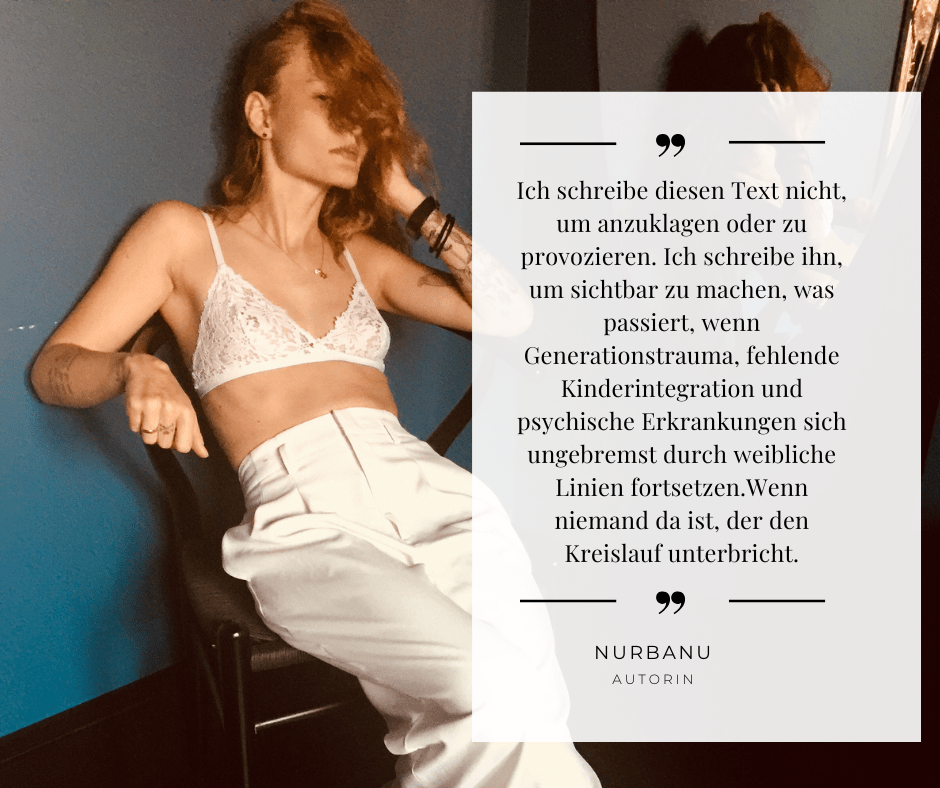

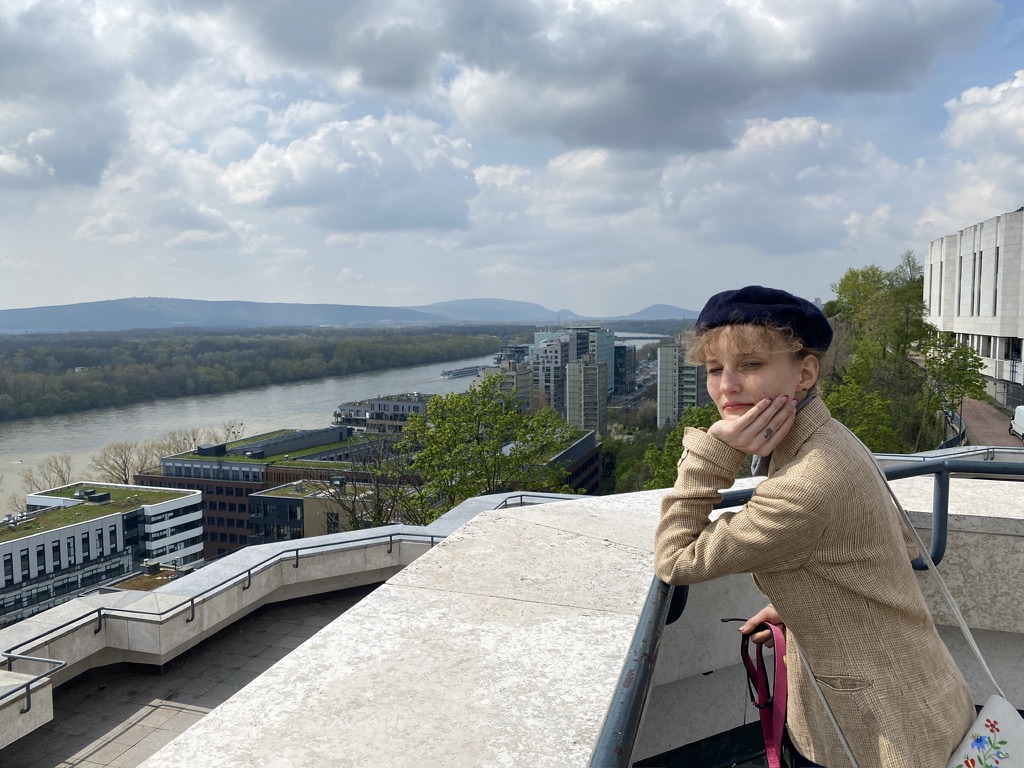
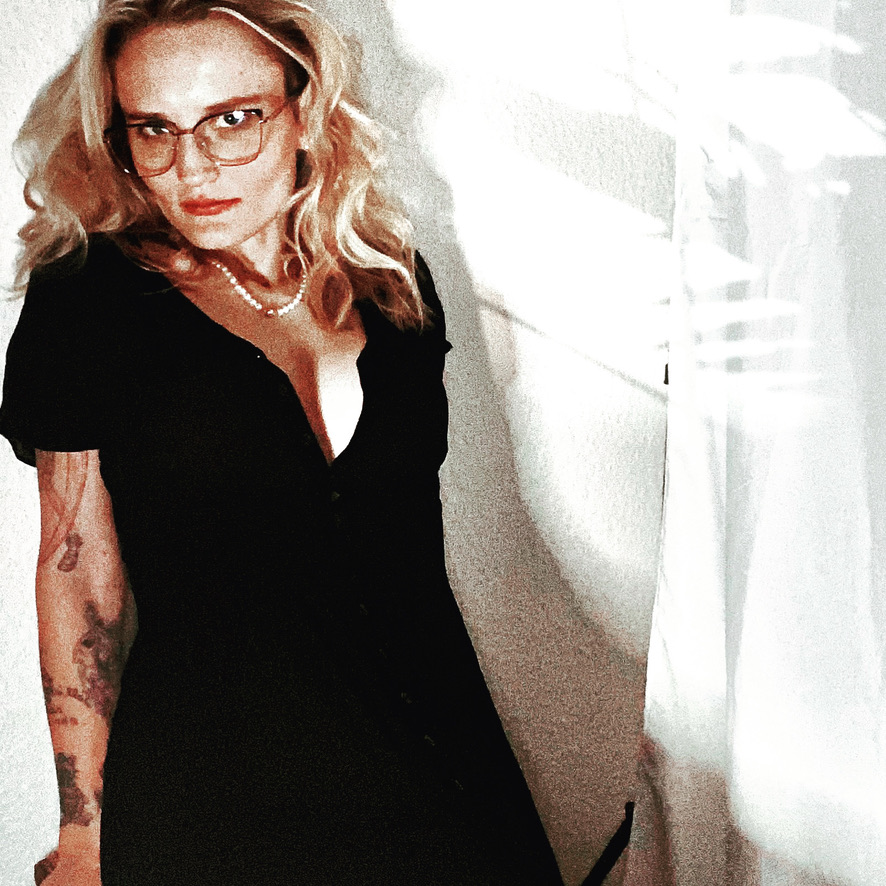



Hinterlasse einen Kommentar