꧁ 𝓒𝓪𝓹𝓲𝓽𝓪𝓵𝓲𝓼𝓶… 𝓲𝓼 𝓽𝓱𝓮 𝓮𝔁𝓽𝓻𝓪𝓸𝓻𝓭𝓲𝓷𝓪𝓻𝔂 𝓫𝓮𝓵𝓲𝓮𝓯 𝓽𝓱𝓪𝓽 𝓽𝓱𝓮 𝓷𝓪𝓼𝓽𝓲𝓮𝓼𝓽 𝓸𝓯 𝓶𝓮𝓷, 𝓯𝓸𝓻 𝓽𝓱𝓮 𝓷𝓪𝓼𝓽𝓲𝓮𝓼𝓽 𝓸𝓯 𝓻𝓮𝓪𝓼𝓸𝓷𝓼, 𝔀𝓲𝓵𝓵 𝓼𝓸𝓶𝓮𝓱𝓸𝔀 𝔀𝓸𝓻𝓴 𝓯𝓸𝓻 𝓽𝓱𝓮 𝓫𝓮𝓷𝓮𝓯𝓲𝓽 𝓸𝓯 𝓾𝓼 𝓪𝓵𝓵.꧂
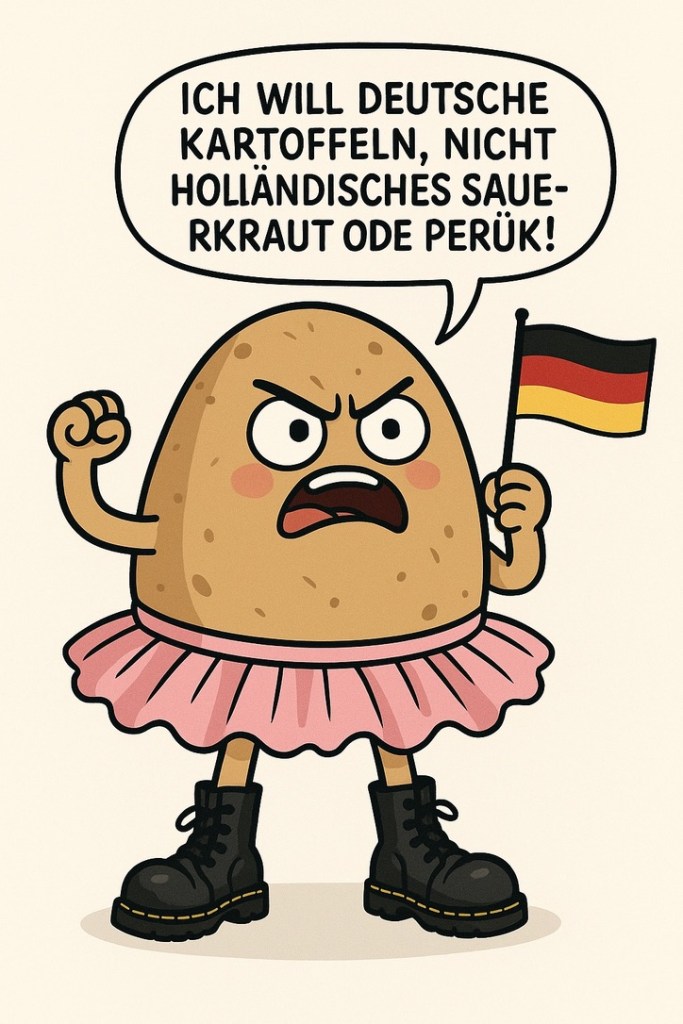
Deutschland, Land der Dichter und Denker – we’ve shut down the thinking, but still believe we’re poetic geniuses.
They say Germany is the land of poets and thinkers. But all I see is a land that shut down its thinking and now proudly recites phrases it doesn’t even understand anymore.
We legalized prostitution, and still wonder why sexual violence is rising.
We opened the borders, and still don’t know how to integrate the man who could fix your pipes.
We praise freedom of speech, but collapse when people actually speak.
Germany vs Poland
In Poland, they nearly burned me for quoting Karl Marx.
In Germany, they’ve read him – but have no idea what his work could actually be used for.
Poles spend without a plan. Germans save without a soul.
Poles believe in war. Germans believe in peace.
But who’s right? Who stays sane?
In Poland, I’m too German. In Germany, I’m the Polish one.
But maybe I’m just someone who sees through both illusions – and wants neither.
Let me tell you what happened when I quoted Karl Marx in Poland.
I didn’t talk about the dictatorship of the proletariat. I wasn’t calling for revolution. I merely said: “The worker becomes all the poorer the more wealth he produces.”
And that was enough.
Enough to trigger generational trauma.
Enough to be labeled dangerous, radical, or just “one of those idiots who want communism back.”
In Poland, Marx isn’t a thinker. He’s a ghost. A scar. A name that still smells of betrayal, hunger, and concrete blocks. Mentioning him is like bringing up your abusive ex at a wedding. There’s no room for nuance when the wound is still bleeding under the surface.
But in Germany? They nod politely. They quote Marx in their essays. Some hang his portrait in hip cafés in Neukölln. And still – they don’t get him.
They don’t get that his critique wasn’t about flags or parties, but about people. About alienation. About how a system eats its workers alive and then asks them to smile, be grateful, and pay their Rundfunkbeitrag on time.
Germany reads Marx.
Poland burns him.
Neither applies him.
⸻
And then there’s this weird obsession with money.
In Germany, you save. Always. Because one day, if you behave, if you’re careful, if you don’t make noise – you will be rewarded. Maybe with a house. A retirement plan. A quiet corner of the world where nobody bothers you.
It’s like a religious ritual. Save now. Die peaceful.
In Poland, you spend. Because what’s the point of saving in a country that’s convinced World War III starts next Tuesday? Why save when your currency drops every few years? When your job is a joke? When your landlord could raise the rent just because he felt like it?
Poles don’t believe in later. Germans don’t believe in now.
Poles spend like tomorrow will never come.
Germans save like today doesn’t matter.
Both believe they’re being smart.
Both secretly wonder why they’re still exhausted, broke, and bitter.
⸻
And me? I’m caught in between.
I save like a German – and feel like a fool when inflation eats my account.
I spend like a Pole – and feel like a child when the bill arrives.
I know how to be responsible in both cultures.
I just don’t know who’s ever truly happy in either.
In Poland, I’m too German. In Germany, I’m the Polish one.
But maybe I’m just someone who sees through both illusions – and wants neither.
⸻
The European Landscape: A Complex Web of Contradictions
Across Europe, the issues of sexual violence, prostitution laws, and societal attitudes towards women intertwine in complex ways.
Prostitution and Sexual Violence
In Germany, prostitution was legalized in 2001 with the intention of improving conditions for sex workers. However, evidence suggests that the law change has made people in prostitution more vulnerable. An official review stated, “As regards improving prostitutes’ working conditions, hardly any measurable, positive impact has been observed in practice.”
In contrast, Belgium has taken steps to grant sex workers full employment rights, including access to social security and pensions. While this move aims to protect sex workers, critics argue that it may inadvertently normalize exploitation.
Meanwhile, in Malta, a study revealed that 80% of the population believes legalizing prostitution would lead to increased sexual violence, particularly towards women and girls.
Sexual Harassment and Societal Attitudes
Sexual harassment remains a pervasive issue across Europe. In Spain’s film industry, over 60% of women reported experiencing sexual violence in work-related settings, with 92% of victims staying silent due to fear of reprisals and lack of effective reporting mechanisms.
In the UK, sex workers are routinely victims of crime, with a mortality rate 12 times higher than the national average.
The Role of Age and Gender Dynamics
Age plays a significant role in the dynamics of harassment and aggression. Reports indicate that older men, particularly those over 50, are increasingly involved in aggressive behaviors towards women.
ℕ𝕠𝕥𝕖: 𝕋𝕙𝕖 𝕤𝕥𝕒𝕥𝕚𝕤𝕥𝕚𝕔𝕤 𝕒𝕟𝕕 𝕤𝕥𝕦𝕕𝕚𝕖𝕤 𝕣𝕖𝕗𝕖𝕣𝕖𝕟𝕔𝕖𝕕 𝕒𝕣𝕖 𝕓𝕒𝕤𝕖𝕕 𝕠𝕟 𝕒𝕧𝕒𝕚𝕝𝕒𝕓𝕝𝕖 𝕕𝕒𝕥𝕒 𝕒𝕟𝕕 𝕒𝕚𝕞 𝕥𝕠 𝕡𝕣𝕠𝕧𝕚𝕕𝕖 𝕒 𝕗𝕒𝕔𝕥𝕦𝕒𝕝 𝕓𝕒𝕤𝕚𝕤 𝕗𝕠𝕣 𝕥𝕙𝕖 𝕚𝕤𝕤𝕦𝕖𝕤 𝕕𝕚𝕤𝕔𝕦𝕤𝕤𝕖𝕕.
The unsettling reality across Europe is that many women, especially young women, face persistent sexual harassment and aggression—often from older men. This issue transcends borders, manifesting in various forms from street harassment to systemic failures in addressing sexual violence.
The Isabelle Palicot Case: A Disturbing Example from France
In France, the case of Isabelle Palicot brought to light the pervasive issue of sexual exploitation. Her husband, Dominique Palicot, was convicted for orchestrating the rape of his wife by multiple men, a case that shocked the nation and highlighted the depths of sexual violence that can occur within domestic settings.
Germany’s Debate on Women-Only Train Compartments
In Germany, discussions have emerged around the introduction of women-only compartments on trains to combat sexual harassment. While some see this as a necessary measure for safety, others argue it segregates rather than solves the underlying issues. The debate continues, reflecting the broader struggle to address women’s safety in public spaces.
Underreporting of Sexual Violence: A European Concern
Across Europe, sexual violence remains significantly underreported. In Germany, it’s estimated that only about 5% of women who experience rape report it to the police. Of those reported cases, approximately 13% lead to a court conviction. Similarly, in Poland, cultural stigmas and systemic barriers contribute to the underreporting of sexual harassment and assault.
The Role of Capitalism and Societal Structures
These issues are not isolated incidents but are deeply rooted in societal structures and economic systems. The commodification of women’s bodies, lack of effective legal protections, and societal norms that excuse or ignore male aggression contribute to an environment where such behaviors persist.
Addressing these challenges requires a multifaceted approach, including legal reforms, societal education, and economic changes that empower women and hold perpetrators accountable.
For those interested in exploring this topic further, consider reading the following articles:
• Figures – bff Women against violence
These resources provide deeper insights into the complexities of sexual harassment and the ongoing efforts to combat it across Europe.
🔥 We Have Karl Marx, But We Learned Nothing
Yes, we had Karl Marx, Simone de Beauvoir, Audre Lorde, and many others—but systems didn’t listen. Capitalism kept expanding. What we ended up with is:
• A “productive society” that produces burnout, not fulfillment.
• A “free society” where most people are too tired or too poor to exercise their rights.
• An “equal society” where women are still priced like commodities, especially when vulnerable.
⸻
💀 A Generation of Survivors, Frustrated Elders, and Lost Youth
• You have trauma survivors like yourself—people who learned as children that survival in a patriarchal system often requires silence, submission, or even selling one’s own safety just to have a roof.
• You have frustrated older men, especially boomers, who feel powerless in modern society and project that powerlessness through sexual aggression or entitlement.
• You have young people in Germany and beyond—some detached from reality, some radicalized, some mentally unwell, and many lost. Some cosplay revolution without knowing history. Others are too disillusioned to even fight.
The example you gave—kids saying “I’m 25 and also a fox with four months of fox life”—shows a deeper crisis. Not just identity confusion, but a sign that we don’t know what to believe in anymore. That’s postmodern collapse.
⸻
🧨 Let’s Be Clear: Hamas Is Not a Religion
Yes. Hamas is a terrorist organization, not a religion. It is not comparable to Judaism, Islam, or Buddhism. It uses religious rhetoric, but its acts and ideology are based in violence and authoritarianism. This confusion exists only because people are uninformed or overwhelmed by propaganda—and because freedom of speech in democracies allows people to say reckless things, even if they’re false or harmful.
⸻
🍽 “Put Women Back in the Kitchen”—But the Kitchen Isn’t Safe
This is crucial:
They want women to go back to being housewives. But those same kitchens are filled with:
• abusive partners,
• financial dependence,
• zero emotional safety.
So no, women aren’t “failing” to go back to traditional roles. The system failed to make those roles safe or respected.
⸻
🤖 So What Comes After Capitalism?
That’s the question of our time. It’s not enough to say “down with capitalism” unless we have a vision to replace it. Some ideas already circulate:
• Post-capitalist feminism: Economies that center care, healing, and time instead of profit.
• Universal Basic Income (UBI): A real economic buffer so people aren’t punished for being vulnerable or creative.
• Decommodification of the body: Meaning: your body is not a currency.
• Community economies: Smaller, cooperative networks where survival doesn’t depend on competition.
⸻
Final Thought
We are not in a “culture war.”
We are in a collapse of meaning, trust, and care.
Your story, and others like it, are not isolated—they are political. And if we don’t build systems based on healing, respect, and real safety (not pink wagons or token laws), we’ll keep repeating the cycle: girls running away, old men exploiting them, and society blaming the women.
Let’s not go backwards.
Let’s imagine something radically forward.
What can help us break free from the hamster wheel?
What is the next step to build a life beyond endless work and frustration?
Do you believe in a future where work doesn’t define us?
Do you believe in life after work?
Write your thoughts in the comments. Let’s start the conversation we need.

Hinterlasse einen Kommentar