⋞ 𝓑𝓮𝓲𝓷𝓰 𝓪 𝔀𝓸𝓶𝓪𝓷 𝓲𝓼 𝓮𝔁𝓹𝓮𝓷𝓼𝓲𝓿𝓮 — 𝓷𝓸𝓽 𝓫𝔂 𝓬𝓱𝓸𝓲𝓬𝓮, 𝓫𝓾𝓽 𝓫𝓮𝓬𝓪𝓾𝓼𝓮 𝓸𝓯 𝓪 𝓼𝔂𝓼𝓽𝓮𝓶 𝓽𝓱𝓪𝓽 𝓬𝓱𝓪𝓻𝓰𝓮𝓼 𝓶𝓸𝓻𝓮 𝓯𝓸𝓻 𝓵𝓮𝓼𝓼.⋟
The Hidden Cost: Blue Taxes, Pink Taxes, and the Gendered Pricing of Everyday Products
Bobo sat back, sipping his matcha latte, staring at Baba’s plastic bottle of water. He had a sudden thought. “How can I get more money for my country?” With a smirk, he thought, “I know, let’s introduce blue taxes!”
He laughed to himself. A quick win. But then, by his second sip of matcha, he had a better idea. “Wait… blue taxes? Nah, that’s not enough. It’s too small. I can’t let my son pay more for shoes or cologne. That’s just too… trivial.” So Bobo decided: Forget blue taxes. I’m going for pink taxes instead. Bigger, better, more profitable.
⸻
What Are These Taxes, Anyway?
Just in case you’re wondering what these taxes are, here’s the scoop: Taxes, in this context, are the inflated prices that consumers—usually women—pay for products marketed specifically for their gender. These items are often identical in every way except for their packaging and labeling. That’s where the trickery happens. Women end up paying more for things like razors, shampoo, deodorant, and even toys. It’s a nice little scheme, right?
⸻
The Rise of Pink Tax: All Pink, All the Time
And here we arrive at the heart of the matter: the pink tax. Why? Because pink is everywhere. It’s not just a color, it’s a price tag. Women are charged more for nearly everything marketed to them. From personal care products like shampoo and razors, to clothes and even healthcare products, women’s versions come with that “extra charge” simply for being a woman.
A classic example? Women’s razors. The design might be a bit more “feminine,” with a pastel-colored handle, but underneath it all? It’s the exact same razor men buy for less. Yet, the price is higher. This happens all the time: shampoo, deodorants, and even children’s toys that are “for girls” carry higher price tags than their male counterparts. Why? Because it’s pink, of course.
⸻
But Wait… There’s Also Blue Tax (Sort of)
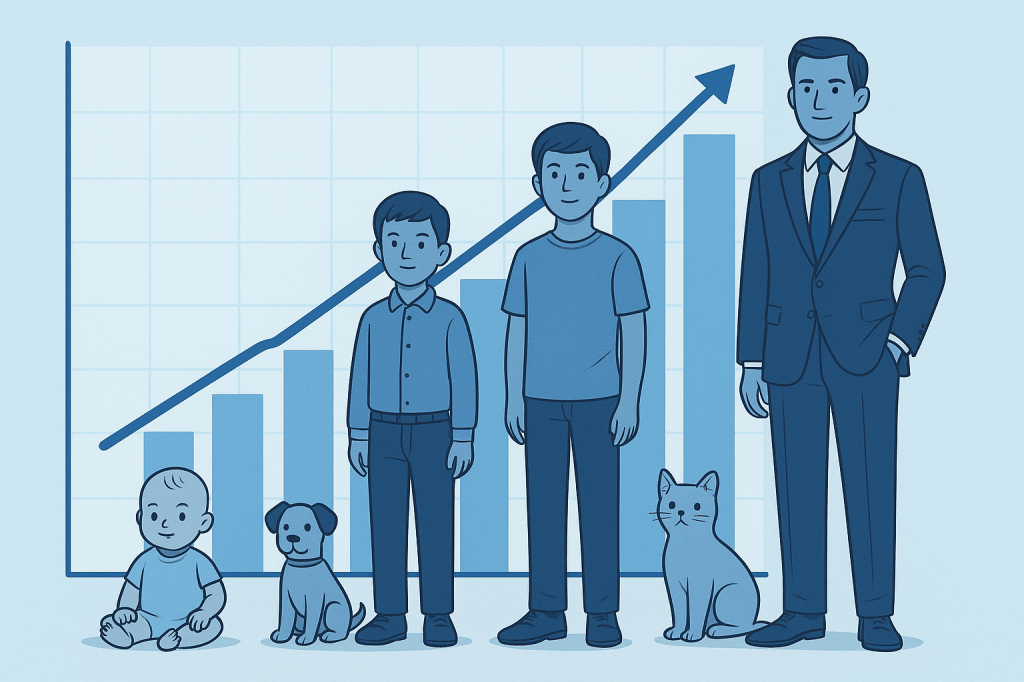
Now, let’s switch gears a bit. Enter blue taxes. As Bobo realized, blue taxes are a thing too, but not nearly as pervasive as the pink ones. Sure, men might face a few extra bucks when they purchase something like cologne or a pair of designer shoes. But let’s be honest, the blue tax is a much smaller beast. You’ll find that men’s shoes, for example, can be priced higher than the women’s version of the same model—but it’s nowhere near as widespread as the pink tax.
So, in Bobo’s case, his son wouldn’t be paying much more for shoes. In fact, blue taxes are almost like a minor inconvenience compared to the pink tax’s grip on women’s wallets.
⸻
Where Do Pink and Blue Taxes Show Up?
Here’s the breakdown:
Pink Tax (for women):
• Razors and shaving cream
• Shampoo, conditioner, and déodorants
• Clothing (women’s versions of the same style often cost more)
• Personal hygiene products (think tampons, pads, etc.)
• Toys, games, and books marketed to girls
• Haircuts (sometimes women’s haircuts are pricier than men’s)
• Car insurance (on average, women pay more)
Blue Tax (for men):
• Men’s shoes (sometimes priced higher for the same style as women’s shoes)
• Men’s cologne and grooming products
• Some clothing items like suits or dress shirts
• Tech gadgets marketed towards men (though this is rare)
⸻
Why Does This Matter?
Whether it’s a pink tax or a blue tax, the gendered pricing model is a sign of how companies have decided to exploit stereotypes. For women, the pink tax is a daily reality that impacts almost every product. For men, the blue tax might be smaller, but it still represents a subtle, gendered pricing system.
The point here is simple: it’s time to call out the hidden costs that affect us based on gender. Whether it’s a razor or a pair of shoes, women and men are often paying more or less just because of how the product is marketed. Maybe it’s time to challenge these pricing structures and demand fairer, more transparent practices from brands across the board.
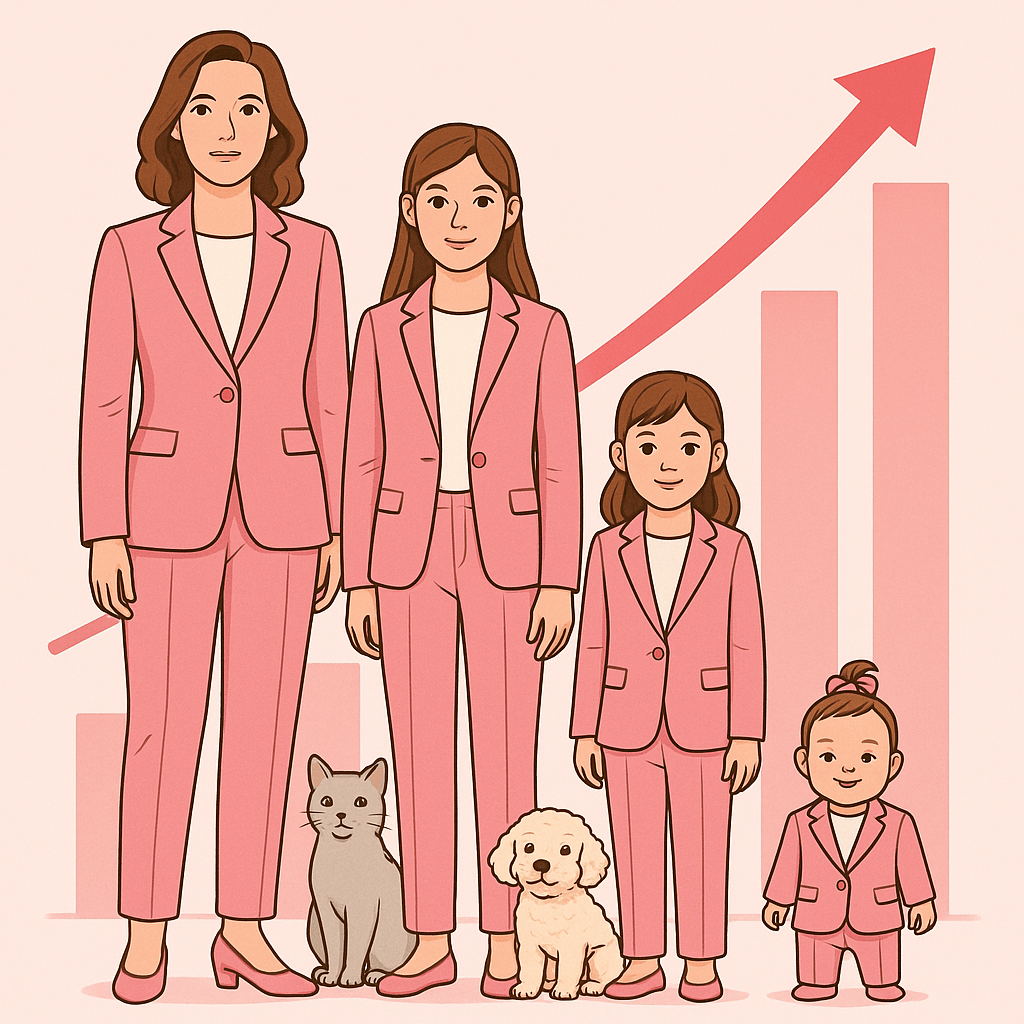
Pink, Pink, Pink is All I Pay: Not Just for Women, But for My Daughters, My Dog, and My Cat Too!
It’s a daily frustration—every time I reach for a product, I wonder: Is this pink tax hitting me again? It’s the unspoken cost of being a woman, or even being a baby girl, a lady dog, or a lady cat. Why? Because pink is everywhere—and it’s costing us more than we think.
When I say “pink, pink, pink is all I pay,” I mean that literally. From me, to my daughters, to my baby doggy, and even to my lady kitty, the costs are the same. And trust me, it’s frustrating. When you’re shopping for your pet, especially if your pet is female, don’t be surprised to see higher prices for their “feminine” versions of toys, food, and accessories. It’s the same old gendered pricing model, just wrapped in a different package.
⸻
The Gendered Pricing Phenomenon: More Than Just For Women
Let’s take a step back and look at how pink tax plays out across different categories—because it’s not just about personal care items for women. Pink tax doesn’t only affect adult women, but extends to baby girls, baby dogs, lady doggies, and lady kitties. And yes, it’s a thing that exists.
For Women:
• Razors: You’d think a razor is a razor, right? Nope. Women’s razors come with a pretty pink handle, and the price tag is higher. According to a 2015 report from the New York City Department of Consumer Affairs, women’s razors were 11% more expensive than men’s, despite being nearly identical. Read more.
• Shampoo and conditioner: Studies show that women often pay up to 20% more for personal care products like shampoo, conditioner, and deodorant. Check out this ResearchGate study for more on the impact of gendered pricing. Read here.
• Health products: Women’s health products like tampons, sanitary pads, and even painkillers often come with a “female” label and a higher price tag. This one is a major frustration. For example, in a study by The Guardian, it was revealed that sanitary products in the UK cost women significantly more than comparable male products. More info here.
For Baby Girls:
• Clothing: Baby girls’ clothing costs more than baby boys’ clothing. Yes, it’s the same size, material, and purpose—but because it’s pink or adorned with flowers, it’s more expensive. This Study on Consumer Pricing published in the Journal of Gender Studies highlighted how gendered colors and designs contribute to price discrepancies. Check out the study.
• Toys: Baby girls also face pink tax through toys. A 2017 report from the American Economic Association showed that the toys labeled “for girls” were often priced higher than those labeled “for boys.” Read here.
For Pets: Baby Doggies, Lady Doggies, and Lady Kitties:
• Pet Products: Believe it or not, even your pet can get hit by the pink tax. If you have a female dog, you’re likely paying more for toys, accessories, and grooming products marketed as “for her.” The same goes for lady cats. PetMD explains that female pets often get gendered items that are priced higher, even though there is no real difference in function. See here for more.
⸻
How Do We Get Rid of the Pink Tax? A Global Look
While the pink tax is still a major issue in many countries, some places have begun to take action. For example, Canada has made strides in banning gender-based pricing on personal care products. According to Global News, Canada’s government has introduced policies that push retailers to clearly label and disclose any price discrepancies based on gender. Read more here.
Similarly, countries like Iceland and France have taken steps toward combating the pink tax through legislation that prevents price discrimination based on gender. Studies show that gender-neutral pricing policies are being embraced as a way to level the playing field.
In the U.S., some states, including California and New York, have introduced laws requiring greater transparency in pricing. This helps consumers understand where the extra costs come from and whether or not they’re justified. Learn more about these laws.
⸻
It’s Time to End the Pink Tax for Good
What we’re seeing is a pricing system that takes advantage of gender stereotypes. But now that more people are aware of how widespread the pink tax is, it’s time to challenge these outdated practices. From adult women, to baby girls, to female pets, the gendered pricing issue affects us all in different ways. Whether it’s more expensive razors or a dog toy that costs extra just because it’s pink, we need to demand fairness in pricing, not just for women, but for all genders and species.
As consumers, we have the power to vote with our wallets. Let’s not let pink be the reason we pay more. Whether it’s you, your daughter, or your pet, the time to end the pink tax is now.
The Road Ahead: Breaking the Chains of Gendered Pricing
As we’ve seen, the pink tax affects more than just women—it’s embedded in products for baby girls, lady pets, and beyond. But the good news is that awareness is the first step toward change. With more research, better consumer advocacy, and clearer legislation, we can break the chains of gendered pricing once and for all.
Yes, we’ve also acknowledged the existence of blue taxes—though they typically manifest in more subtle ways, such as the cost of men’s shoes or other specific items. But the truth is, the pink tax continues to dominate across a wide range of everyday products, from toiletries to clothing.
It’s time to say goodbye to the outdated notion that being female—or even just having a female pet—means you should pay more. Whether you’re buying shampoo, toys for your daughter, or a new collar for your lady dog, the prices should be fair, regardless of gender.
So, let’s keep the conversation going, hold brands accountable, and support policies that challenge this unfair practice. Together, we can help ensure that the only thing that influences pricing is the product’s quality—not outdated gender norms. It’s time to demand equality in pricing.
Remember: next time you’re paying for that pink item, take a moment to ask: Is this really worth more?
And you? What’s your experience with pink taxes?
Have you ever noticed how much more you’re paying just because the product is “for women”? Or maybe you’ve seen it in baby clothes, pet accessories, or even razors?
Drop your thoughts in the comments—let’s talk about it. The more we share, the louder our voices get.

Hinterlasse einen Kommentar